Dilruba
 Leezu's Plug
 Khiladi
 Zubaan
 Peaché
 Dilbar
 Power Rings
 Jaaneman
 Sultaan
 Pyaari
 Toofaan Intense
 Lipstick
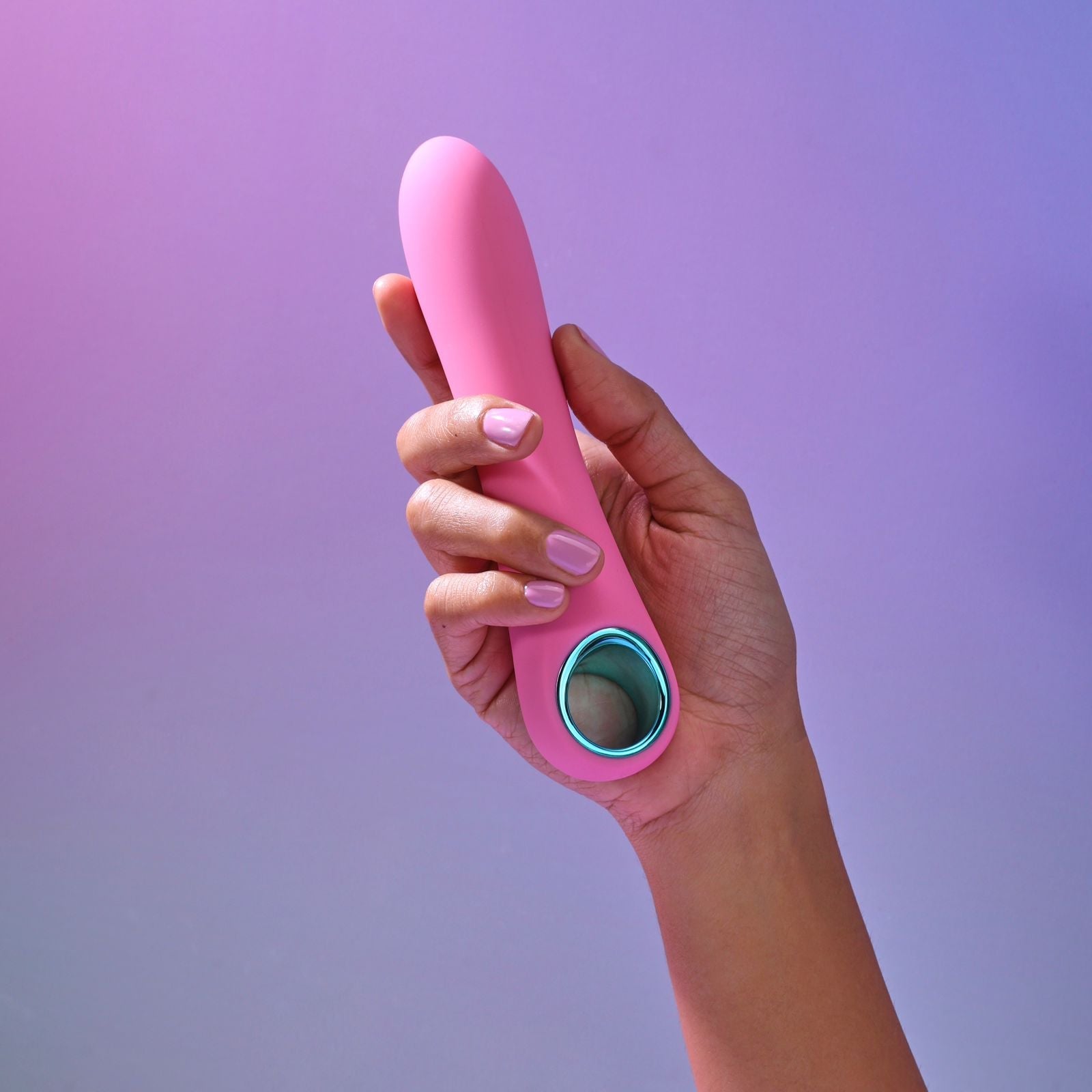 Jaadugar
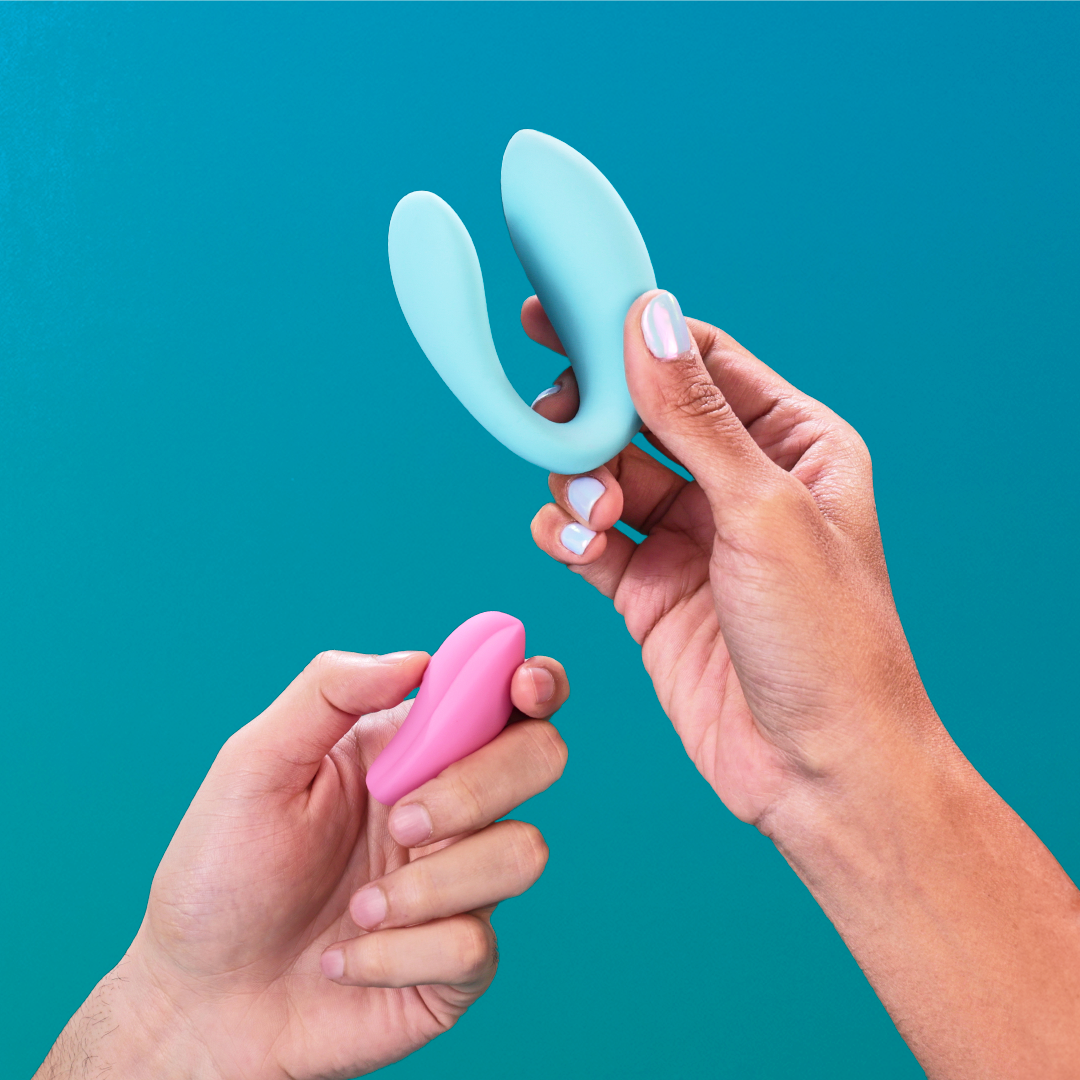 Natkhat
 FAQs
 Track Your Order
 About Us


Enthusiastic consent is a clear, voluntary, and willing agreement to sexual or intimate activity. It goes beyond simply avoiding a “no” and focuses on genuine willingness, communication, and mutual comfort. Consent should be specific, freely given, and changeable at any point.
It means actively choosing to participate in an intimate experience rather than feeling pressured, uncertain, or unable to say no. At Leezu’s, better intimacy starts with better conversations and room for boundaries. When you’re ready to explore intimate wellness, discover products that fit your comfort. Start with the conversation.
What Is Enthusiastic Consent?
At its simplest, enthusiastic consent is about a clear and willing “yes.” It means someone freely chooses to participate and can communicate boundaries without fear, guilt, or pressure.
It does not mean everyone has to act visibly excited. People communicate differently. What matters is that agreement is genuine, voluntary, and specific to the activity.
A healthy approach is:
- Freely given: No pressure or guilt.
- Specific: One activity does not imply another.
- Informed: Everyone understands the agreement.
- Ongoing: Someone can pause or stop.
- Mutual: Everyone has space to communicate.
Consent vs Active Willingness: What’s the Difference?
Consent means agreeing to participate in a particular intimate or sexual activity. This approach places greater emphasis on active willingness and mutual communication rather than interpreting silence, passivity or lack of resistance as agreement.
Someone can avoid saying “no” while still feeling uncomfortable or pressured. The goal is genuine choice, not performance.
What Does Enthusiastic Consent Look Like?
In relationships, consent can sound ordinary: a question, a clear answer or a check-in.
Clear verbal agreement
Someone might say:
- “Yes, I’d like that.”
- “I’m comfortable with this.”
- “I want to keep going.”
- “I’d like to try that.”
Asking before trying something new
If one partner wants to introduce a new activity, asking first gives the other person a genuine choice. “Would you like to try this?” is very different from assuming the answer.
Checking in during intimacy
A quick “Is this still okay?” or “Do you want to keep going?” gives both people room to communicate as the situation changes.
Feeling free to say no
A healthy yes only has meaning when no is also safe. A partner should be able to decline without being mocked, guilt-tripped or repeatedly pressured.
Real Examples of Enthusiastic Consent
Example 1: Starting intimacy
One partner asks, “Can I kiss you?” The other clearly agrees, so they proceed.
Example 2: Trying something new
A partner suggests a new activity and explains it. The other person asks questions and agrees because they genuinely want to try it.
Example 3: Checking in
One partner asks, “Are you comfortable?” The other wants to slow down, and the pace changes immediately.
Example 4: Changing your mind
Someone initially agrees but later wants to stop. The other person stops. The earlier yes does not override the new decision.
Example 5: Exploring intimate products together
A wellness product can also prompt a boundaries conversation. Partners can discuss interest, comfort and when to pause or stop.
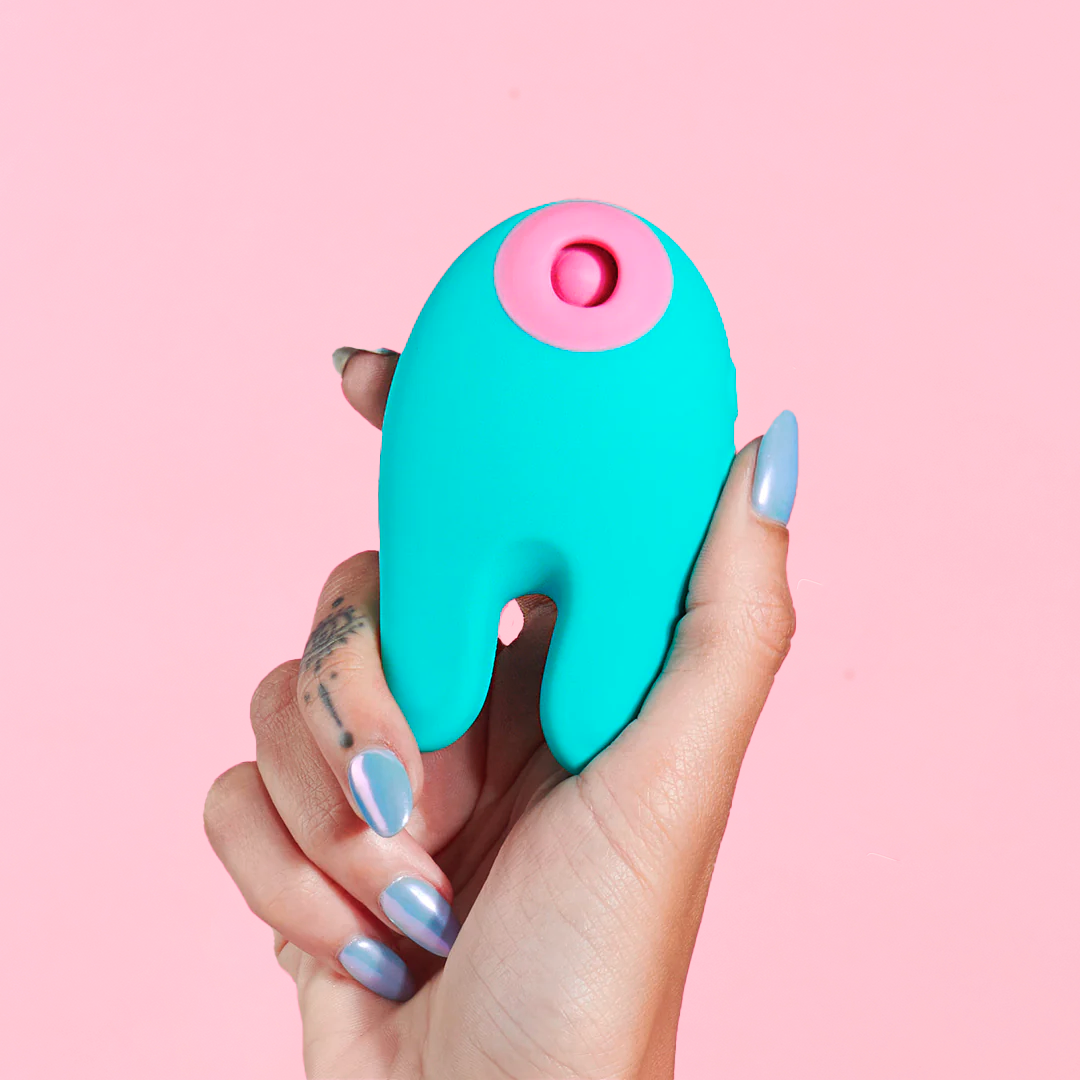
Leezu’s offers massagers, lubricants and couple-focused options. Pyaari is an iconic massager with suction and vibration, Jaaneman is a vibrating couple’s ring, and Love Jelly is a water-based lubricant. The Couples Bundle combines Pyaari, Toofaan and Love Jelly. Discover couple toys to explore different options designed to enhance intimacy, communication, and shared experiences between partners.
A product never replaces communication. Explore how to use a vibrator to learn about safe usage, hygiene, and practical tips for a comfortable and enjoyable personal wellness experience.
What Does Enthusiastic Consent Not Look Like?
Silence or lack of resistance
Someone not saying “no” does not automatically establish willingness. If you are unsure, pause and ask rather than interpreting silence for them.


Pressure or guilt
Statements such as “If you loved me, you would” turn intimacy into an obligation. Repeatedly asking after someone has declined can also create pressure.
Ignoring hesitation
Hesitation is a reason to slow down and communicate.
Ignoring a change of mind
A previous yes does not create a permanent obligation. When someone withdraws consent, the activity should stop.
Is Enthusiastic Consent Always Verbal?
Verbal communication is often the clearest way to establish agreement, but people also communicate through body language. Non-verbal cues should not override uncertainty. If signals are mixed, pause and ask rather than guessing.
Can You Withdraw Consent After Saying Yes?
Yes. Consent can be withdrawn at any point.
Someone can agree to one activity and decline another. They can feel comfortable continuing at one moment and decide to stop later. They do not need a long explanation for changing their mind.
Respecting that change helps create safer intimacy. Explore best lubricant gel in India to learn about different lubricant types, their benefits, and how to choose a suitable option for comfort and compatibility.
How Do You Ask for Enthusiastic Consent?
Asking does not have to make intimacy awkward. A natural check-in can make an experience more relaxed because neither person has to guess.
Try:
- “Would you like to?”
- “Is this comfortable?”
- “Do you want to keep going?”
- “Would you like to try something different?”
- “Do you want me to stop?”
Then listen without steering the answer.
Leeza Mangaldas, founder of Leezu’s, has built the brand around judgment-free conversations about relationships, gender and the body. That approach fits naturally with intimacy that leaves room for curiosity, boundaries and informed choices.
Why Is Enthusiastic Consent Important in Relationships?
Good intimacy depends on trust and communication.
Practising clear consent can help partners:
- Understand boundaries.
- Reduce assumptions.
- Discuss preferences.
- Make it easier to say yes or no.
- Create space to change course.
- Build trust.
Leezu’s Knowledge Hub also covers relationships, sexual health, safety, how-to guides and intimate wellness. Explore massager for men to discover different types, features, and benefits that support muscle relaxation, personal comfort, and overall wellness.
Common Misconceptions About Consent
“If they do not say no, it is a yes.”
Not necessarily. Agreement should be genuine and voluntary, not inferred from silence.
“You have to act extremely excited.”
No. People express themselves differently. The focus is willingness, not performing enthusiasm.
“Being in a relationship means consent is automatic.”
No. A relationship does not remove the need to communicate boundaries.
“Saying yes once means yes every time.”
No. Consent is specific and can change.
Explore Intimacy on Your Own Terms With Leezu’s
Better intimacy starts with communication. Know what you want, respect your partner’s wishes, and leave room to change your mind.
Leezu’s offers massagers, couple-focused products and lubricants. From Pyaari and Jaaneman to Love Jelly, choose what fits your comfort. Explore intimate massager for women to learn about different types, features, and body-safe options designed to support personal pleasure, comfort, and sexual wellness.
Explore Leezu’s intimate wellness collection and make room for better conversations, clearer boundaries and more joyful experiences.
Leeza Mangaldas’s vision is rooted in informed, judgment-free conversations about intimacy. Start with communication and respect each other’s boundaries.
Frequently Asked Questions
Q1. How can you practise clear consent?
Ask clearly, listen, respect boundaries, and check in when circumstances change. Make it comfortable to say yes, no, maybe, or not right now.
Q2. Can consent be withdrawn after saying yes?
Yes. A person can change their mind at any point, even after intimacy has started.
Q3. Is silence a form of consent?
No. Silence does not reliably communicate willingness. When uncertain, ask rather than assume.
Q4. Will asking for consent ruin the mood?
No. A check-in can make intimacy safer because both people know they are choosing to participate.
Q5. What are examples of clear consent?
Clear agreement, asking first, willing participation, checking in, and communicating when something feels good or needs to stop are practical examples.
Q6. Why does clear consent matter?
It supports communication, respects boundaries, and reduces assumptions, helping partners build trust and comfort.
Q7. How do you know if someone is comfortable?
Ask them. Do not rely on body language alone when signals are mixed.
Q8. Can clear consent apply when using intimate products?
Yes. Partners can discuss whether they both want to use a product, what they want to try, and when either person wants to pause or stop. A product never replaces consent.