Dilruba
 Leezu's Plug
 Khiladi
 Zubaan
 Peaché
 Dilbar
 Power Rings
 Jaaneman
 Sultaan
 Pyaari
 Toofaan Intense
 Lipstick
 Jaadugar
 Natkhat
 FAQs
 Track Your Order
 About Us


Harmful lube ingredients are not always harmful to everyone, but certain formulations may cause irritation or be unsuitable for specific uses. Check for fragrance, flavouring, ingredients you are sensitive to, and products with unsuitable pH or osmolality. Always verify condom compatibility and choose a lubricant designed for your intended use.
Choosing a personal lubricant should be about comfort, not guesswork. Understanding harmful lube ingredients can help you identify potential irritants, evaluate product labels, and choose a formula that suits your needs. At Leezu’s, we believe informed intimacy starts with knowing what goes on your body. Here is what to check before your next purchase.
Why Do Lube Ingredients Matter?
Personal lubricants reduce friction during sexual activity, helping make intimate experiences more comfortable. However, not every formula suits every person or purpose. An ingredient that one person tolerates without difficulty may cause burning, itching, or irritation in another.
The vagina and vulvar area can be sensitive to certain ingredients, while lubricant formulations can also differ in pH, osmolality, texture, and compatibility with condoms or intimate toys.
Understanding harmful lube ingredients means looking beyond alarming ingredient lists and considering the evidence, the complete formulation, and your individual sensitivities. Explore couple toys to discover different options designed to support intimacy, communication, and shared experiences between consenting adults.
Harmful Lube Ingredients: What Should You Check?
Not every ingredient discussed below is universally harmful. Some raise concerns in particular formulations or circumstances, while others may simply be unsuitable for people with specific sensitivities.
1. Glycerin
Glycerin is a humectant that attracts moisture and is commonly used in water-based lubricants gel. Its presence does not automatically make a product unsafe.
However, people prone to recurrent vaginal irritation or infections may prefer to discuss ingredient choices with a healthcare professional rather than assuming every glycerin-containing formula is suitable. Evidence does not establish that glycerin in lubricant inevitably causes yeast infections.
What to look for: Check the full ingredient list and consider how your body responds to the product.
2. Parabens
Parabens are preservatives used in some personal care products to limit microbial growth. They have attracted attention because certain parabens can exhibit estrogen-like activity in laboratory studies.
However, this does not mean every paraben-containing lubricant causes hormonal disruption or is unsafe at permitted concentrations. The significance depends on the compound, exposure, and available safety evidence.
What to look for: If you prefer to avoid parabens, check the ingredient list rather than relying solely on front-label claims.
3. Propylene Glycol
Propylene glycol helps retain moisture and supports the texture of some personal lubricants. It can cause irritation or contact dermatitis in susceptible individuals, although many people tolerate it.
Concentration and the overall formulation can influence how a product feels on sensitive tissue.
What to look for: If a lubricant repeatedly causes stinging or discomfort, discontinue use and consider a different formulation.
4. Synthetic Fragrance and Flavouring
Fragrances and flavouring agents may make lubricants more appealing, but they can also introduce additional ingredients that sensitive users may not tolerate.
A scented or flavoured product is not automatically unsafe. Nevertheless, people who experience irritation may find it easier to identify suitable products by starting with simpler, fragrance-free and flavour-free formulations.
What to look for: Choose a product that clearly states whether it contains fragrance or flavouring, particularly if you have a history of sensitivity.
5. Chlorhexidine Gluconate
Chlorhexidine is an antiseptic used in certain healthcare and personal care applications. It can cause irritation or allergic reactions in some individuals, and it should not be treated as a necessary ingredient in every personal lubricant.
What to look for: Check the product's intended use and avoid assuming that an antiseptic ingredient makes a lubricant better or safer for intimate use.
6. Nonoxynol-9
Nonoxynol-9 is a spermicide that can damage sperm cells. It can also irritate genital tissue, particularly with frequent use.
Importantly, it does not protect against sexually transmitted infections. Frequent use may increase tissue irritation, which is one reason it is not recommended as an STI-prevention method.
What to look for: Do not choose a lubricant for STI prevention. Use appropriate barrier protection and follow product instructions.
7. Petroleum-Based Ingredients
Petroleum jelly and mineral oil can provide lasting lubrication, but oil-based products can weaken latex condoms and increase the risk of breakage.

This is a compatibility issue rather than proof that every petroleum-derived ingredient is inherently toxic.
What to look for: If you use latex condoms, choose a lubricant explicitly labelled compatible with latex. Water-based and silicone-based lubricants are generally suitable options.
8. High-Osmolality Formulations
Osmolality describes the concentration of dissolved particles in a solution. Some lubricants have high osmolality, which can draw water out of cells and potentially affect the vaginal or rectal lining.
This is a formulation concern rather than a single harmful ingredient. pH also matters, particularly when a lubricant is intended for vaginal use.
What to look for: Where information is available, consider osmolality and pH alongside the full ingredient list. A “natural” or “body-safe” label alone does not establish that a product is suitable for every use.
What to Look for in a Personal Lubricant
Once you understand the potential concerns, choosing a lubricant becomes easier. Instead of looking for a product with the fewest possible ingredients at any cost, focus on suitability, transparent labelling, and reliable product information.
Look for:
- A clearly listed formula: Check the ingredients rather than relying entirely on marketing claims.
- Fragrance-free and flavour-free options: These can be a practical starting point if you are prone to irritation.
- Suitable pH and osmolality: Consider these formulation properties, especially for vaginal or rectal use.
- Condom compatibility: Verify the label before using a lubricant with latex condoms.
- Material compatibility: Check whether the formula is appropriate for your intimate toys.
- A comfortable texture: The lubricant should reduce friction without causing persistent burning, itching, or discomfort.
Is Water-Based Lube a Good Choice?
Water-based lubricants are versatile and generally compatible with latex condoms and many intimate toys. They are also typically easier to wash off than oil-based products.
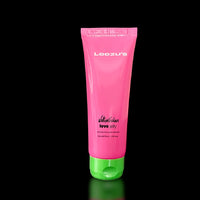
Leezu’s Water-based Love Jelly is a fragrance-free and flavour-free option for people looking for a straightforward lubricant. Check the product label and instructions to confirm that it suits your intended use.
For those who prefer a flavoured option, Leezu’s also offers Watermelon Love Jelly. Flavouring is a matter of preference, but people who experience sensitivity may prefer an unflavoured formula. Discover personal body massager how to use to understand basic usage techniques, cleaning practices, and safety tips for comfort and personal wellness.
Water-Based vs. Silicone-Based vs. Oil-Based Lubricants
The best lubricant depends on how you plan to use it and which materials it will contact.
|
Lubricant type |
Main advantage |
Important consideration |
|
Water-based |
Versatile and easy to clean |
May need reapplication |
|
Silicone-based |
Often longer-lasting |
Check compatibility with silicone toys |
|
Oil-based |
Can provide lasting lubrication |
Not compatible with latex condoms |
No single type is ideal for every situation. Always check the manufacturer's instructions for your condoms and intimate products. Explore how to use a vibrator to learn about safe usage, hygiene, and practical tips for a comfortable personal wellness experience.
How to Read a Lube Ingredient Label
A quick label check can help you make a more informed decision.
- Read the complete ingredient list. Look for ingredients you know you are sensitive to.
- Check the intended use. Vaginal, anal, and external applications may have different requirements.
- Confirm condom compatibility. Oil-based products can weaken latex.
- Check toy materials. Silicone, TPE, and other materials may have different compatibility requirements.
- Look beyond marketing claims. Terms such as “natural,” “clean,” or “body-safe” do not guarantee universal suitability.
-
Pay attention to your body's response. Stop using a product that causes persistent discomfort.
If burning, itching, unusual discharge, or pain persists after discontinuing a lubricant, seek medical advice rather than repeatedly trying different products.
Choosing Lubricants for Intimate Toys
Lubricant compatibility matters just as much as ingredient selection. A product that suits your body may not be appropriate for every toy material.
- Silicone toys: Water-based lubricant is a practical starting point. Some silicone lubricants may affect certain silicone products, so follow the toy manufacturer's guidance.
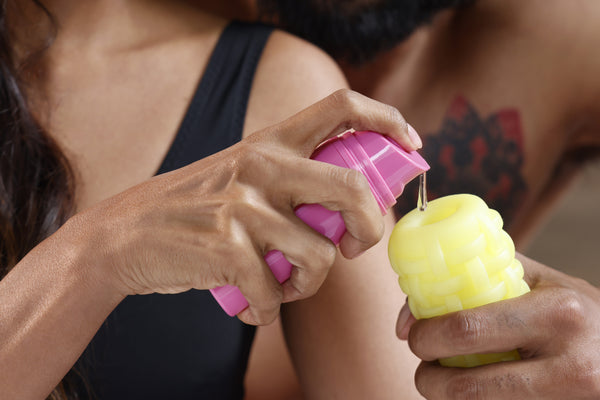
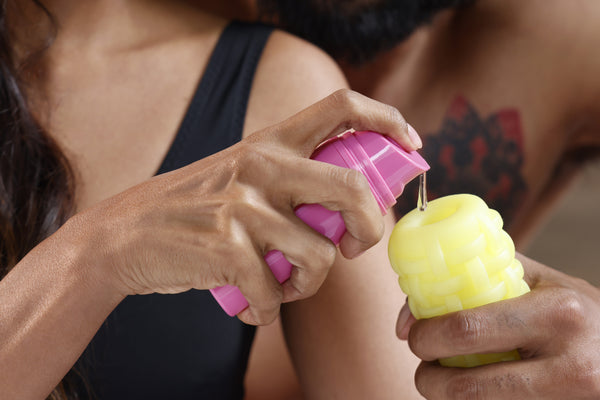
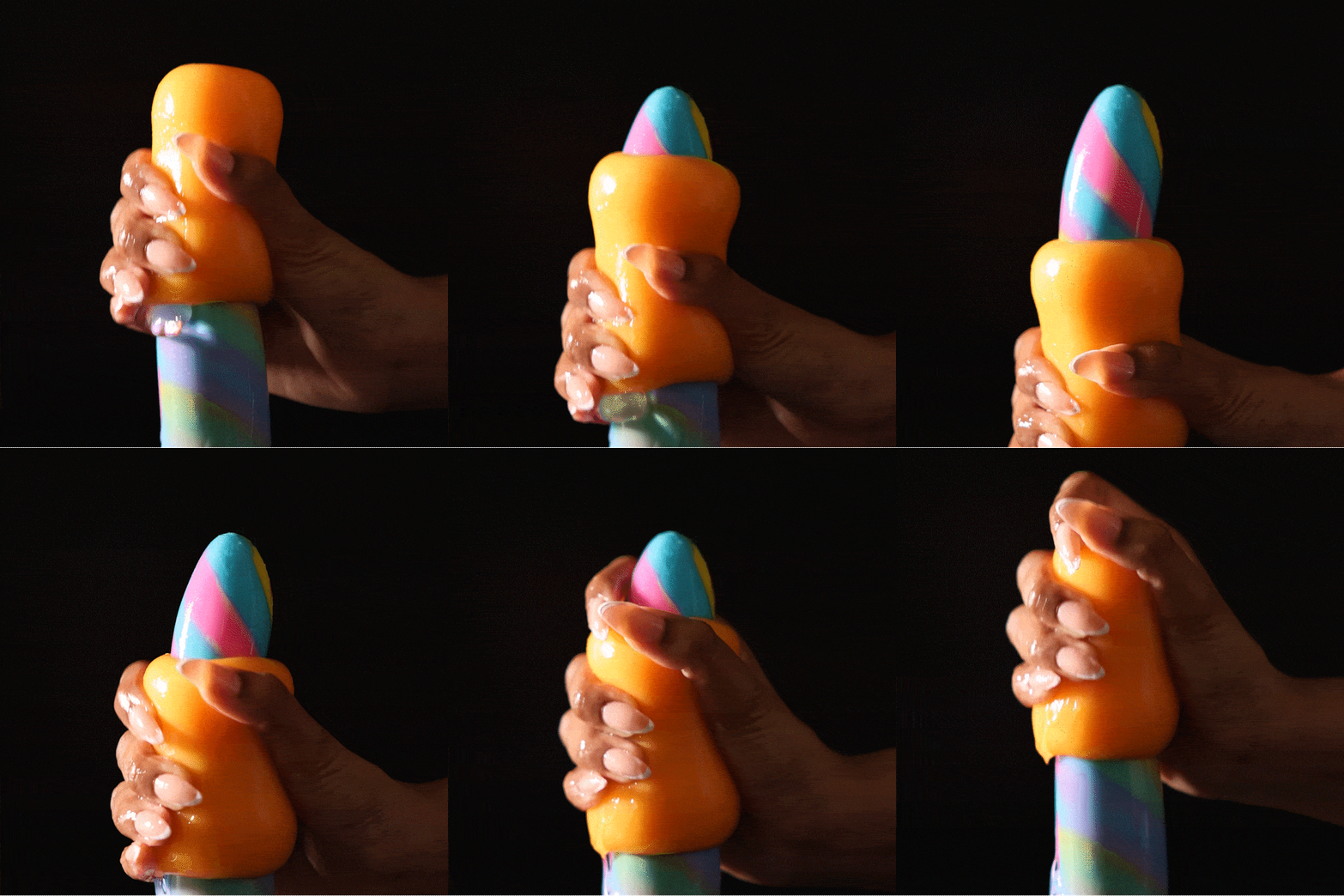
- TPE products: Check the manufacturer's instructions before choosing a lubricant. Leezu’s recommends water-based lubricant for its Toofaan stroker.
- Cleaning: Follow the product's cleaning and storage instructions, and do not assume that a lubricant replaces proper toy hygiene.
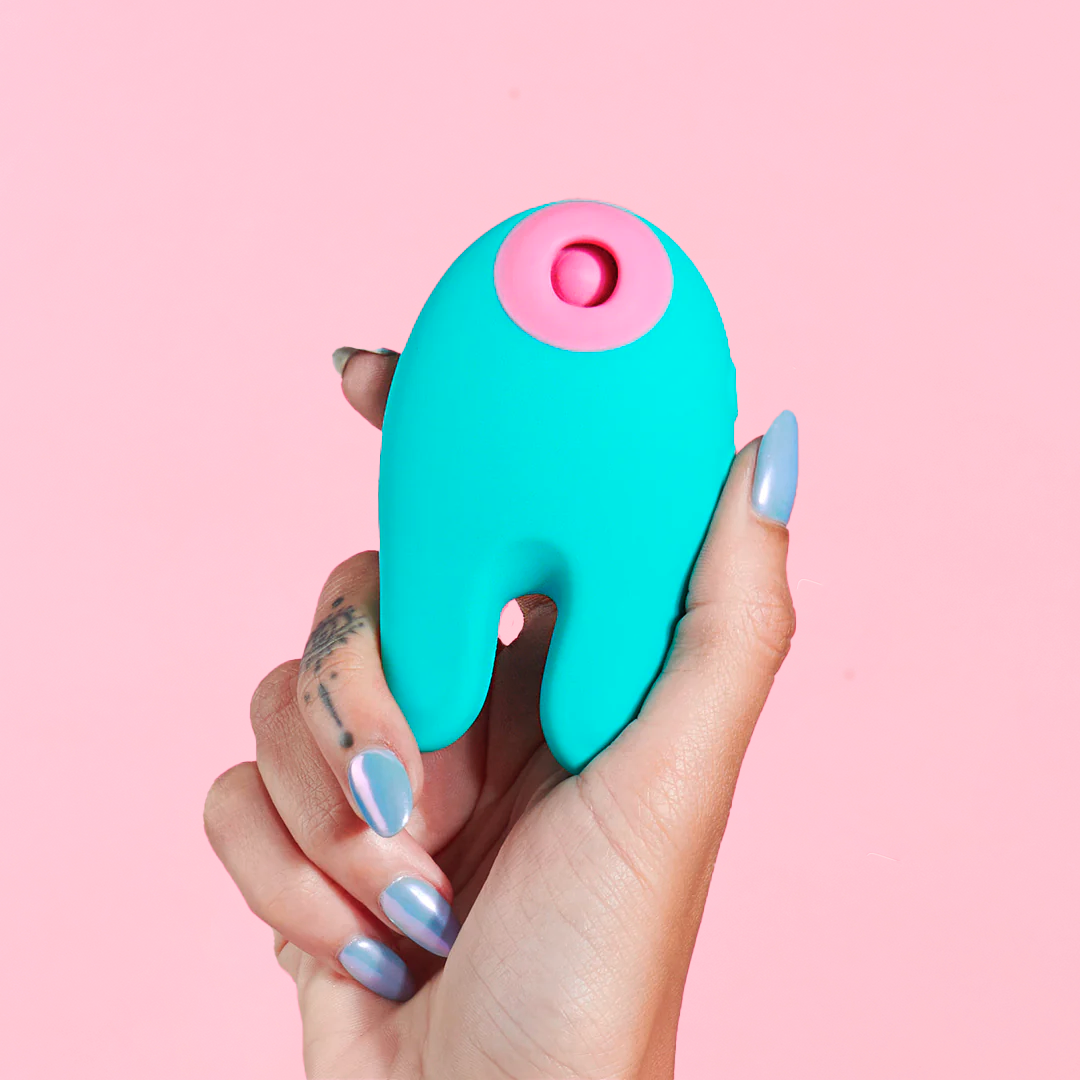
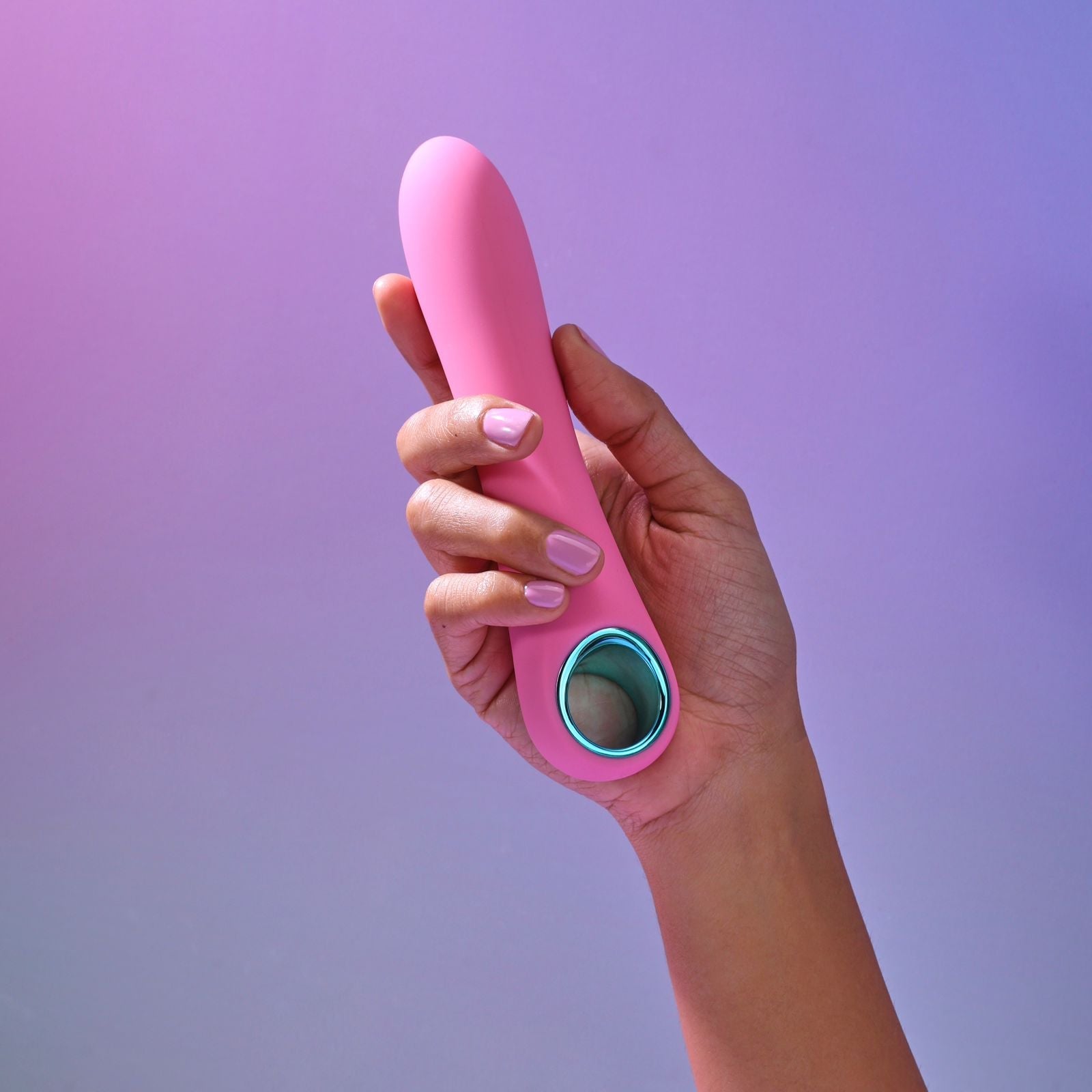
Leezu’s also offers the Pyaari personal massager. Before using any lubricant with a massager or stroker, verify compatibility with the specific product rather than assuming that all materials behave alike. Explore Pyaari personal massager to learn about its features, usage, and benefits for personal pleasure, comfort, and sexual wellness.
Choose Intimacy With Confidence
Understanding harmful lube ingredients is not about fearing every unfamiliar chemical. It is about reading labels carefully, recognising potential irritants, and choosing a formula that fits your body, preferences, and intended use.
As Leeza Mangaldas often advocates through open conversations about sexual wellness, informed choices help make intimacy more comfortable and confident. Give yourself the time to understand what you are using and how it works for you.
Explore Leezu’s Water-based Love Jelly for a fragrance-free and flavour-free lubricant option, or browse the Leezu’s lubricant collection to find a product that suits your preferences.
Reconnect with confidence. Discover intimate wellness with Leezu’s.
Frequently Asked Questions
Q1. What are the most common harmful lube ingredients?
Fragrances, certain preservatives, propylene glycol, and nonoxynol-9 may raise concerns depending on the formulation and intended use. Suitability varies by ingredient and individual sensitivity.
Q2. Why should you check lubricant pH and osmolality?
pH affects how acidic or alkaline a formula is, while osmolality measures dissolved-particle concentration. Both properties can influence tissue compatibility.
Q3. How do you choose a lubricant for sensitive skin?
Start with a clearly labelled, fragrance-free and flavour-free product, check for known sensitivities, and discontinue use if irritation occurs.
Q4. Can glycerin in lube cause a yeast infection?
Glycerin does not inevitably cause yeast infections. If you experience recurrent infections, discuss suitable lubricant choices with a healthcare professional.
Q5. Is water-based lube safe to use with condoms?
Water-based lubricants are generally compatible with latex condoms. Always check the product label and follow condom instructions.
Q6. Will silicone-based lube damage silicone toys?
It may affect some silicone toys, depending on the materials and formulation. Check the toy manufacturer's compatibility guidance before use.
Q7. What should you do if lube causes burning or itching?
Stop using the product and avoid further exposure. Seek medical advice if symptoms persist, recur, or occur with pain, unusual discharge, or swelling.
Q8. Can flavoured lubricants be used for every type of intimate activity?
No. Check the product's intended use and instructions. If you are prone to irritation, an unflavoured product may be a more suitable starting point.