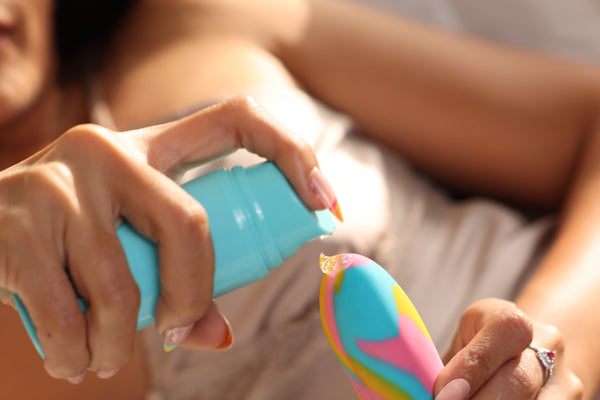
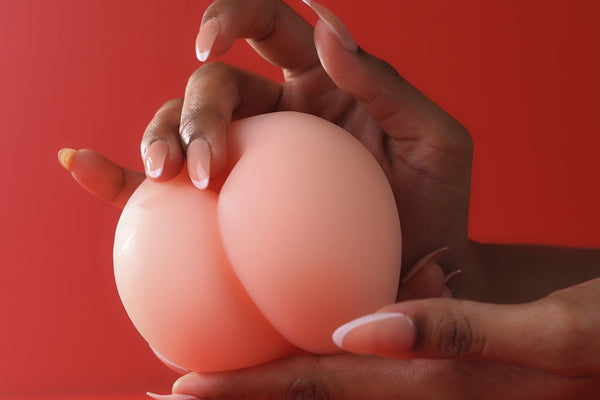
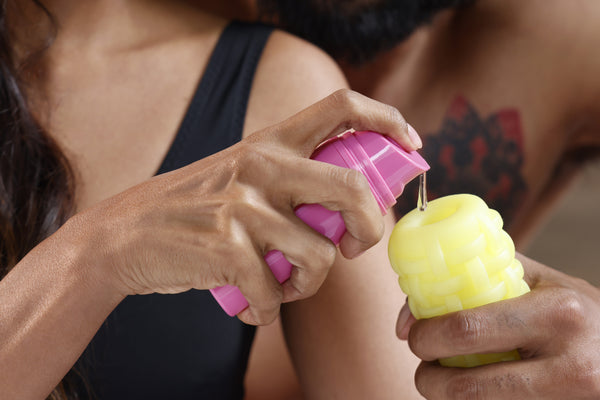
Dilruba
 Leezu's Plug
 Khiladi
 Zubaan
 Peaché
 Dilbar
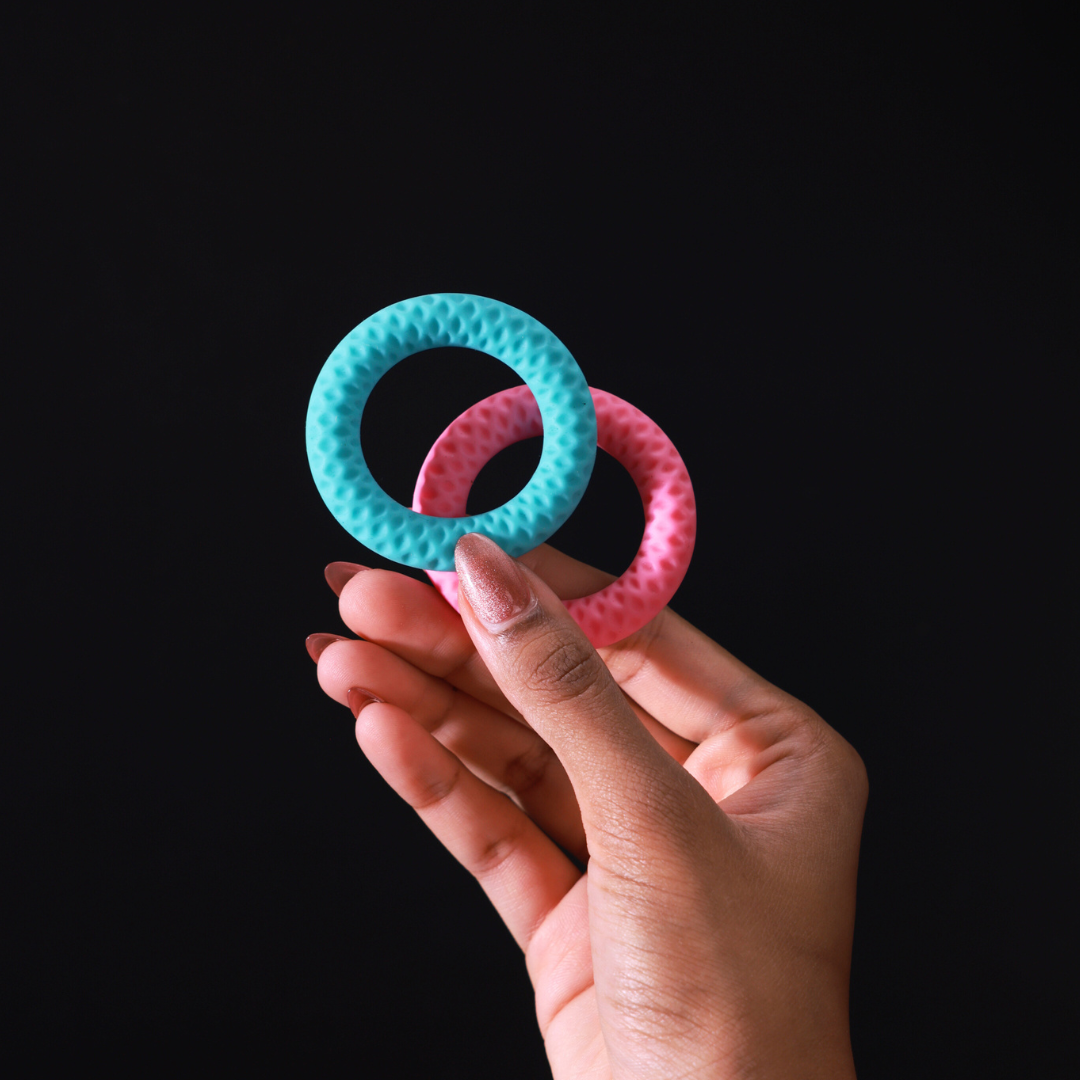 Power Rings
 Jaaneman
 Sultaan
 Pyaari
 Toofaan Intense
 Lipstick
 Jaadugar
 Natkhat
 FAQs
 Track Your Order
 About Us


Medical-grade silicone is silicone formulated and evaluated for specific medical applications. However, the label alone does not guarantee that every finished product is suitable for every type of body contact. Material specifications, biocompatibility testing, manufacturing quality, intended use, and product-specific documentation all matter when assessing safety.
Silicone is widely used in intimate wellness products, but terms such as medical-grade, body-safe, and food-grade can be confusing. At Leezu’s, we believe informed choices begin with understanding what these labels actually mean. Before choosing your next intimate wellness product, it helps to know which claims deserve closer attention and why. Explore couple toys to discover different options designed to support intimacy, communication, and shared experiences between consenting adults.
What Is Medical-Grade Silicone, Really?
Medical-grade silicone is a category of silicone materials developed and evaluated for particular medical applications. Its suitability depends on the formulation, intended use, manufacturing controls, and relevant safety assessments.
Silicone itself is a family of synthetic materials made primarily from siloxane polymers. Different formulations offer different combinations of flexibility, durability, temperature resistance, and other physical properties.
The important distinction is that medical-grade silicone is not a universal guarantee of safety for every product or application. A material suitable for one medical device may not automatically be appropriate for another application involving different types or durations of body contact.
How Is Medical-Grade Silicone Different From Standard Silicone?
The differences can involve:
- Material formulation: The base silicone, additives, pigments, and other ingredients can influence the finished material's properties.
- Manufacturing controls: Consistent production and quality checks help establish whether a material meets its intended specifications.
- Testing: Relevant assessments depend on the intended application and the nature of contact with the body.
- Documentation: Technical specifications and appropriate test reports help substantiate material claims.
These distinctions matter when evaluating intimate wellness products because the material is only one part of the finished product.
What Does Biocompatibility Testing Actually Mean?
Biocompatibility testing evaluates how a material or device may interact with the body under specified conditions. The appropriate tests depend on factors such as the type of contact, duration of exposure, and intended use.
ISO 10993 is a series of standards addressing the biological evaluation of medical devices. It is not a single universal certification that automatically proves every silicone product safe.
Similarly, USP Class VI relates to specified biological reactivity testing of plastics under USP procedures. It should not be treated as interchangeable with ISO 10993 or as blanket proof of suitability for every application.
Why the Term 'Medical-Grade' Can Be Misleading
The term can sound like a complete safety guarantee, but it does not tell consumers everything they need to know.
A product description may identify a material as medical-grade without explaining the exact formulation, applicable testing, or intended conditions of use. That does not automatically make the claim false. It means consumers need enough supporting information to understand what the claim establishes.
A responsible evaluation considers the complete product, not just the name of its material.
A Material Label Is Not the Same as Product-Level Evidence
A raw material may meet particular specifications, but the finished product also depends on its design, manufacturing process, construction, and quality control.
For example, a product's surface, seams, detachable components, or cleaning requirements may affect how it should be used and maintained. A material designation alone cannot answer every question about the finished item.
What Documentation Should You Look For?
When a brand makes a specific material-safety claim, useful supporting information may include:
- A clear material specification or technical data sheet.
- Relevant test reports or declarations that substantiate the claim.
- Information about the product's intended use.
- Clear cleaning, storage, and maintenance instructions.
- Accessible manufacturer information and customer support.
Not every consumer product needs the same documentation. The key is whether the evidence is appropriate to the claim being made.
Medical-Grade vs. Body-Safe vs. Food-Grade Silicone
These terms describe different contexts and should not be treated as interchangeable labels or a simple ranking from worst to best.
Medical-Grade Silicone
Medical-grade silicone is intended for specified medical applications and must be evaluated against the requirements relevant to those applications. Its suitability depends on the exact material, testing, manufacturing controls, and intended use.
Body-Safe Silicone
Body-safe silicone is a descriptive term used to communicate suitability for a particular type of body contact. Its meaning depends on the product and the evidence supporting the claim.
For intimate wellness products, look beyond the phrase itself. Check the manufacturer's material specifications, intended-use information, and care instructions.
Food-Grade Silicone
Food-grade silicone is intended to meet applicable requirements for specified food-contact uses. Its suitability for food contact does not automatically establish suitability for intimate use or medical applications.


The reverse is also true: a medical application designation does not automatically establish compliance with every food-contact requirement.
|
Material description |
What it generally relates to |
What to check |
|
Medical-grade silicone |
Specified medical applications |
Relevant testing, intended use, and technical documentation |
|
Body-safe silicone |
Suitability for specified body contact |
Product-specific material information and supporting evidence |
|
Food-grade silicone |
Specified food-contact applications |
Applicable food-contact requirements and manufacturer documentation |
The right material is the one supported by appropriate evidence for its intended application, not necessarily the one with the most impressive-sounding label.
5 Common Myths About Medical-Grade Silicone, Busted
Myth 1: All Silicone Is Automatically Body-Safe
Fact: Silicone is a broad material family, and formulations can differ. A product's suitability depends on its composition, construction, intended use, and relevant evidence.
Myth 2: Medical-Grade Means Safe for Every Application
Fact: A material designation applies within a particular context. Contact location, exposure duration, product design, and intended use all matter.
Myth 3: Body-Safe and Medical-Grade Mean the Same Thing
Fact: These terms are not automatically equivalent. Ask what the manufacturer means by the label and what evidence supports it.
Myth 4: A Material Claim Proves the Finished Product Is Safe
Fact: Material properties matter, but manufacturing quality, design, surface condition, and appropriate use also influence the finished product's suitability.
Myth 5: A Higher-Sounding Grade Always Means a Better Product
Fact: A material must be appropriate for the intended purpose. The most relevant considerations are suitable performance, adequate evidence, quality manufacturing, and clear product instructions.
Understanding these distinctions helps consumers ask better questions without assuming that every material claim is misleading.
How to Evaluate Silicone in Intimate Wellness Products
Choosing an intimate wellness product should involve more than reading a short product description. A few practical checks can help you make a more informed decision.
Check the Exact Material Specification
Look for the named material and any relevant technical details. If a brand claims its product uses medical-grade silicone, check whether it can substantiate that designation.
Review Cleaning and Lubricant Compatibility
Follow the product's specific cleaning instructions rather than assuming that every silicone product can be maintained in the same way. Check lubricant compatibility as well.
Silicone-based lubricants gel may affect certain silicone products, depending on their formulation. When compatibility is uncertain, consult the manufacturer's instructions and choose a compatible lubricant.
Look for Transparent Product Information
A useful product page should make it easy to find relevant material information, intended use, care instructions, and customer support details. Where a claim depends on testing or certification, supporting documentation can help clarify its meaning.
Leeza Mangaldas, founder of Leezu’s, has helped build a brand around making intimate wellness more approachable and informed. That approach makes clear, accessible product information an important part of the customer experience.
How Leezu’s Approaches Intimate Wellness Products
At Leezu’s, material information should help customers understand what they are buying and how to use it appropriately. Different products serve different purposes, so their specifications and instructions should be assessed individually.
Pyaari: Suction and Vibration Massager
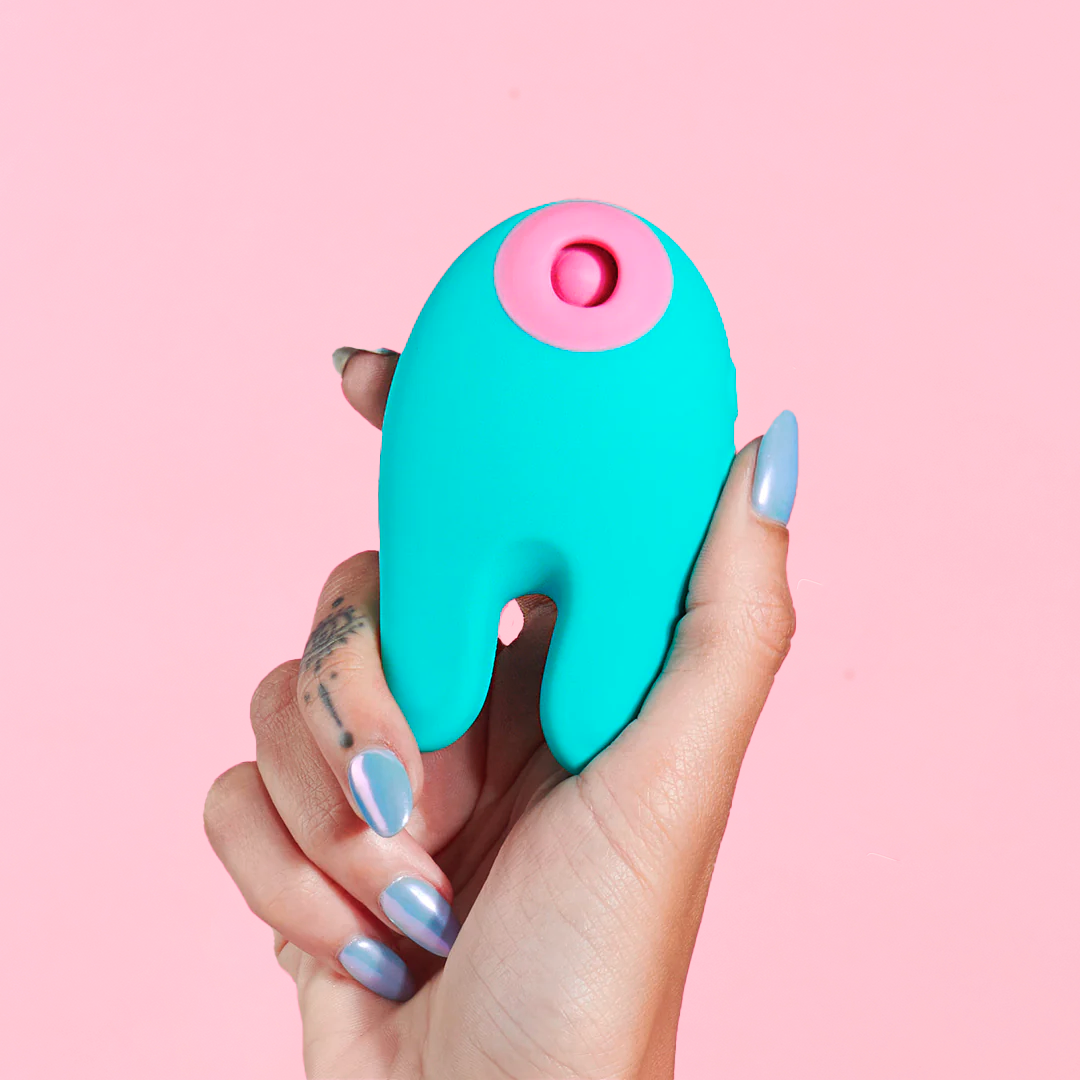
Pyaari combines suction and vibration functions, with five suction modes and ten vibration modes listed on its product page. Its published product information identifies body-safe silicone and provides product-specific details. Explore Pyaari personal massager to learn about its features, usage, and benefits for personal pleasure, comfort, and sexual wellness.
Dilbar: Non-Motorised Massager
Dilbar is a non-motorised massager with a suction-cup base and two size options. Its product page identifies the material as body-safe silicone and provides washing and care guidance.
Jaadugar: Internal and External Massager
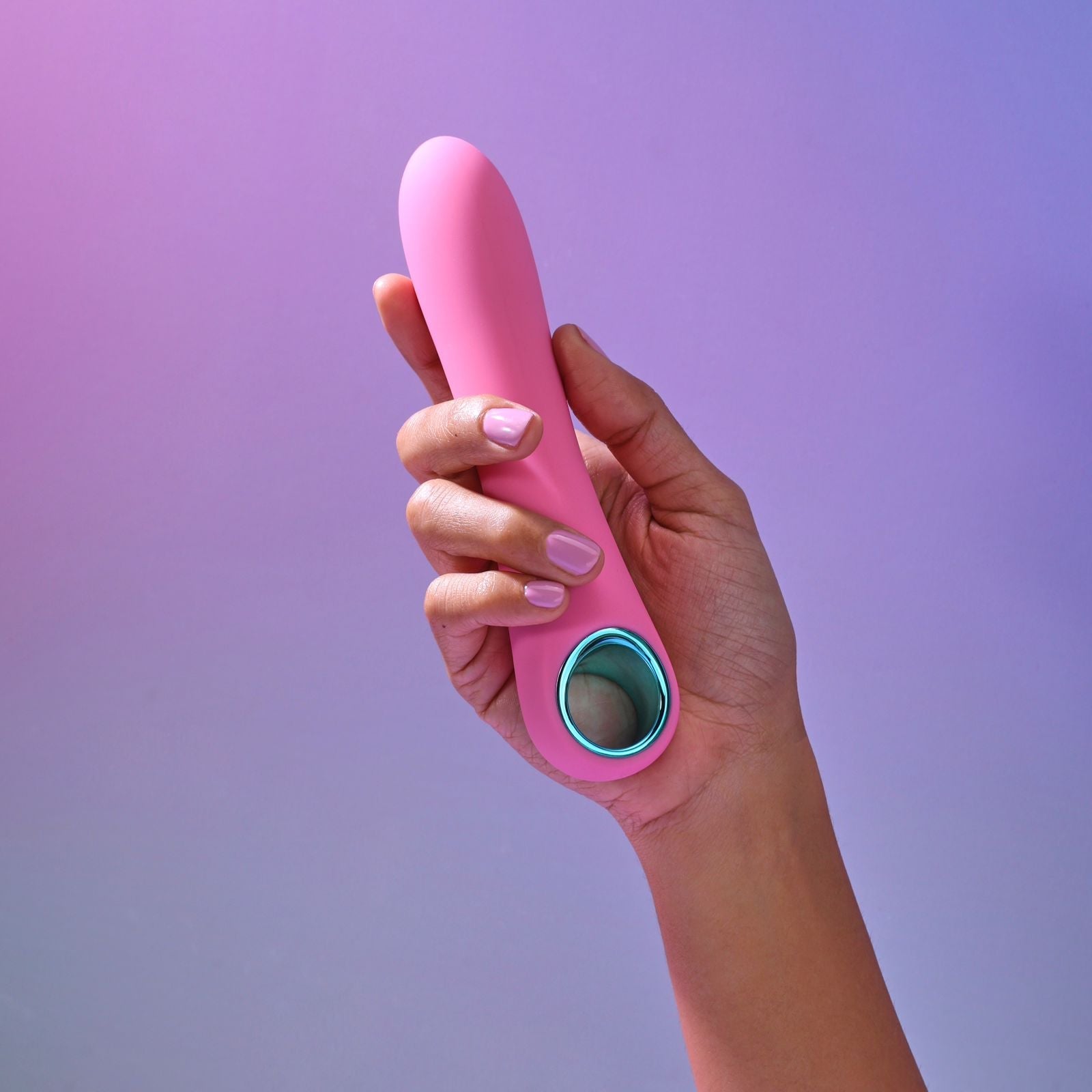
Jaadugar is another product in Leezu’s intimate wellness range. Before choosing any product, review its individual material details, design features, and instructions rather than assuming that specifications are identical across the collection. Discover personal body massager how to use to understand basic usage techniques, cleaning practices, and safety tips for comfort and personal wellness.
Make More Informed Intimate Wellness Choices With Leezu’s
Choosing an intimate wellness product should feel informed, comfortable, and personal. Look beyond labels, understand the material information available, and choose products with clear specifications and practical care instructions.
Leeza Mangaldas and Leezu’s believe that better intimate wellness begins with better information. Explore the Leezu’s collection to discover products designed for different preferences, review their individual features, and make a choice that feels right for you.
Frequently Asked Questions
Q1. How Can You Verify a Medical-Grade Silicone Claim?
Check the manufacturer's material specifications, intended-use information, and relevant supporting test reports or documentation. Ask the manufacturer for clarification if the claim is unclear.
Q2. Can Food-Grade Silicone Be Used for Intimate Products?
Food-contact suitability does not automatically establish suitability for intimate use. Look for product-specific information and evidence appropriate to the intended type of body contact.
Q3. Is Medical-Grade Silicone Always Safe?
No material designation guarantees suitability for every application. Safety depends on the specific material, finished product, intended use, manufacturing quality, and relevant evidence.
Q4. Is Body-Safe Silicone the Same as Medical-Grade Silicone?
No. The terms are not interchangeable by default. Their meaning depends on the intended application and the evidence supporting the manufacturer's claim.
Q5. Will Medical-Grade Silicone Last Longer Than Other Silicone?
Not necessarily. Durability depends on the formulation, product construction, frequency of use, storage, and maintenance. Follow the manufacturer's care instructions.
Q6. What Does ISO 10993 Mean for Silicone Products?
ISO 10993 is a series of standards for the biological evaluation of medical devices. Relevant testing depends on the device and its intended use; the standard is not a universal certification for every silicone product.
Q7. Why Do Silicone Grades Matter When Buying Intimate Wellness Products?
Material suitability, product design, and manufacturing quality affect how a product should be used and maintained. Clear specifications help consumers make informed choices.
Q8. How Should You Clean a Silicone Intimate Wellness Product?
Follow the specific cleaning instructions supplied with the product. Cleaning methods can vary by design, components, and manufacturer recommendations, so do not assume that every product can be cleaned identically.