Dilruba
 Leezu's Plug
 Khiladi
 Zubaan
 Peaché
 Dilbar
 Power Rings
 Jaaneman
 Sultaan
 Pyaari
 Toofaan Intense
 Lipstick
 Jaadugar
 Natkhat
 FAQs
 Track Your Order
 About Us


A pH-balanced lube is formulated to suit its intended use, helping make intimate activity more comfortable. For vaginal use, consider the lubricant’s pH, osmolality, ingredients, and compatibility with condoms or intimate toys. No single formula suits everyone, and a pH-balanced label alone does not guarantee that a product will prevent irritation or infection.
Choosing a pH balanced lube starts with understanding what your body needs. Vaginal pH, ingredient sensitivity, and the type of intimacy you enjoy can all influence which lubricant feels comfortable. At Leezu’s, we believe informed choices make intimate wellness easier to navigate. Here’s what to look for before choosing your next lubricant.
What Is pH and Why Does It Matter for Intimate Health?
pH measures how acidic or alkaline a substance is on a scale from 0 to 14. A lower number indicates greater acidity, while a higher number indicates greater alkalinity.
The vagina naturally maintains an acidic environment during most of the reproductive years. Beneficial bacteria, particularly Lactobacillus species, help maintain this environment and support vaginal health. Discover personal body massager how to use to understand basic usage techniques, cleaning practices, and safety tips for comfort and personal wellness.
Understanding Natural Vaginal pH
Vaginal pH is generally around 3.8–4.5 during the reproductive years, although it can change with hormonal fluctuations, menstruation, menopause, and other factors.
This natural acidity is one reason lubricant formulation matters. A product intended for vaginal use should be formulated with that environment in mind, rather than assuming that every lubricant is suitable for every intimate area.
How Lubricants Fit Into Intimate Wellness
Lubricants reduce friction during sexual activity, helping improve comfort and making penetration more comfortable when dryness is an issue. However, lubrication and vaginal health are not the same thing.
A lubricant can support comfort without treating an underlying condition. Persistent dryness, burning, itching, or unusual discharge may need medical assessment rather than a different lubricant alone. Explore couple toys to discover different options designed to support intimacy, communication, and shared experiences between consenting adults.
What Makes a pH Balanced Lube Different?
A pH balanced lube is formulated with a pH appropriate for its intended application. For vaginal use, a formula designed around the vagina’s naturally acidic environment may be a useful consideration.
However, pH is only one part of the picture. Two lubricants with similar pH levels can differ in their ingredients, osmolality, texture, and compatibility with condoms or intimate toys.
What pH Should a Vaginal Lubricant Have?
A vaginal lubricant with a pH around 3.8–4.5 may be appropriate for consideration, but this range is not a universal requirement for every user or situation. Personal circumstances, product formulation, and intended use all matter.
Before choosing a product, look for:
- Clearly disclosed pH information, where available.
- Ingredients that suit your preferences and sensitivities.
- Compatibility with your condoms and intimate toys.
- Manufacturer guidance on intended use.
Do not assume that a lubricant is pH-balanced simply because it is water-based, fragrance-free, or labelled natural. Learn about water based lubricant gel in India to understand its benefits, uses, and key factors to consider when choosing a suitable lubricant for comfort and compatibility.
pH vs. Osmolality: What Is the Difference?
Although they are often discussed together, pH and osmolality measure different properties.
- pH measures how acidic or alkaline a formulation is.
- Osmolality measures the concentration of dissolved particles in a solution.
Lubricants with high osmolality may raise concerns about their effects on delicate mucosal tissue. The World Health Organization’s lubricant guidance addresses both pH and osmolality, particularly for products used with condoms.
A suitable formula should therefore be assessed as a whole, not by its pH alone.
How to Choose the Right Lubricant for Your Body
Finding the right lubricant involves more than picking a texture or flavour. Consider your intended use, ingredient preferences, and the products you plan to use alongside it.
Water-Based Lubricants
Water-based lubricants are popular because they are generally easy to wash off and compatible with many condom and intimate-toy materials.
They can be a practical starting point for people who want a versatile option. Some formulas dry out or become tacky during use, so reapplication may be necessary.
When comparing a water-based lubricant with other options, consider its full ingredient list and any available pH or osmolality information.
Silicone-Based Lubricants
Silicone-based lubricants generally last longer than many water-based formulas and can offer a smooth, slippery feel.
However, compatibility with silicone toys varies by product. Check the lubricant and toy manufacturers’ instructions before use rather than assuming every silicone formula is suitable for every silicone toy.


Oil-Based Lubricants
Oil-based lubricants can provide lasting lubrication, but they are not compatible with latex condoms because oils can weaken latex and increase the risk of breakage.
If you use condoms, check their material and the manufacturer’s compatibility instructions. Choosing a lubricant that works with your protection is an important part of safer intimacy.
Which Ingredients Should You Check in a pH Balanced Lube?
A pH balanced lube should not be judged by its pH claim alone. The ingredients and the overall formulation matter just as much when considering comfort.
Fragrance, Flavour, and Potential Irritants
Fragrance and flavouring ingredients may cause discomfort for some people, particularly those who are sensitive to certain formulations.
If you frequently experience irritation, a fragrance-free, flavour-free product may be worth considering. However, no formula can guarantee that every person will tolerate it.
Glycerin and Preservatives
Glycerin is used in some water-based lubricants to influence texture and moisture retention. Preservatives help protect products against microbial contamination.
Neither ingredient category should automatically be treated as harmful. Tolerance depends on the individual and the complete formulation. If a product repeatedly causes irritation, stop using it and discuss recurring symptoms with a healthcare professional.
Read Beyond the Label
Before buying, check whether the product provides information about:
- Intended application and usage instructions.
- Ingredients and potential sensitivities.
- pH and osmolality, where available.
- Condom and toy compatibility.
- Storage and expiry instructions.
Terms such as “natural,” “gentle,” and “pH-balanced” do not, on their own, prove that a lubricant is suitable for every person.
Which Leezu’s Lubricants Can You Explore?
At Leezu’s, intimate wellness is about understanding your preferences and finding products that fit your routine. Our lubricant range offers options for different experiences, but individual product specifications should guide your choice.
Water-Based Love Jelly
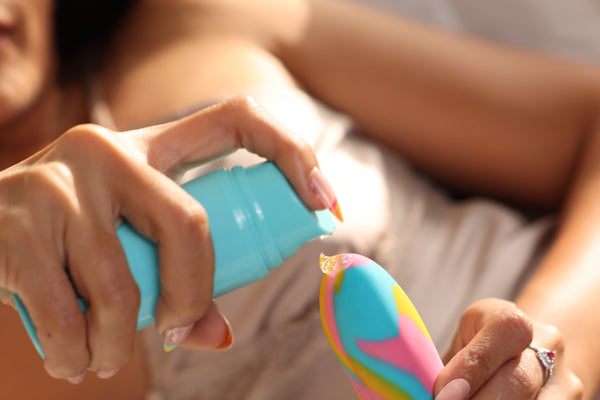
Leezu’s Water-Based Love Jelly is a fragrance-free, flavour-free personal lubricant designed to reduce friction and dryness. It is available in 30 ml and 75 ml sizes.
The product page lists compatibility with latex, polyisoprene, silicone, and TPE. Always follow the instructions provided with the lubricant, condoms, and toys you use.
Explore Leezu’s Water-Based Love Jelly if you prefer a straightforward, water-based formula.
Watermelon Love Jelly
For those who prefer a flavoured option, Watermelon Love Jelly offers a water-based formula with a watermelon flavour. It provides an alternative for people interested in adding a fruity element to intimate experiences.
Flavour does not establish pH suitability, so consider the product’s intended use and your own sensitivities before choosing it.
Discover Watermelon Love Jelly to explore this flavoured alternative.
Neither product should be described as clinically pH-balanced unless the relevant product specifications support that claim.
Pairing Lubricant With Intimate Toys
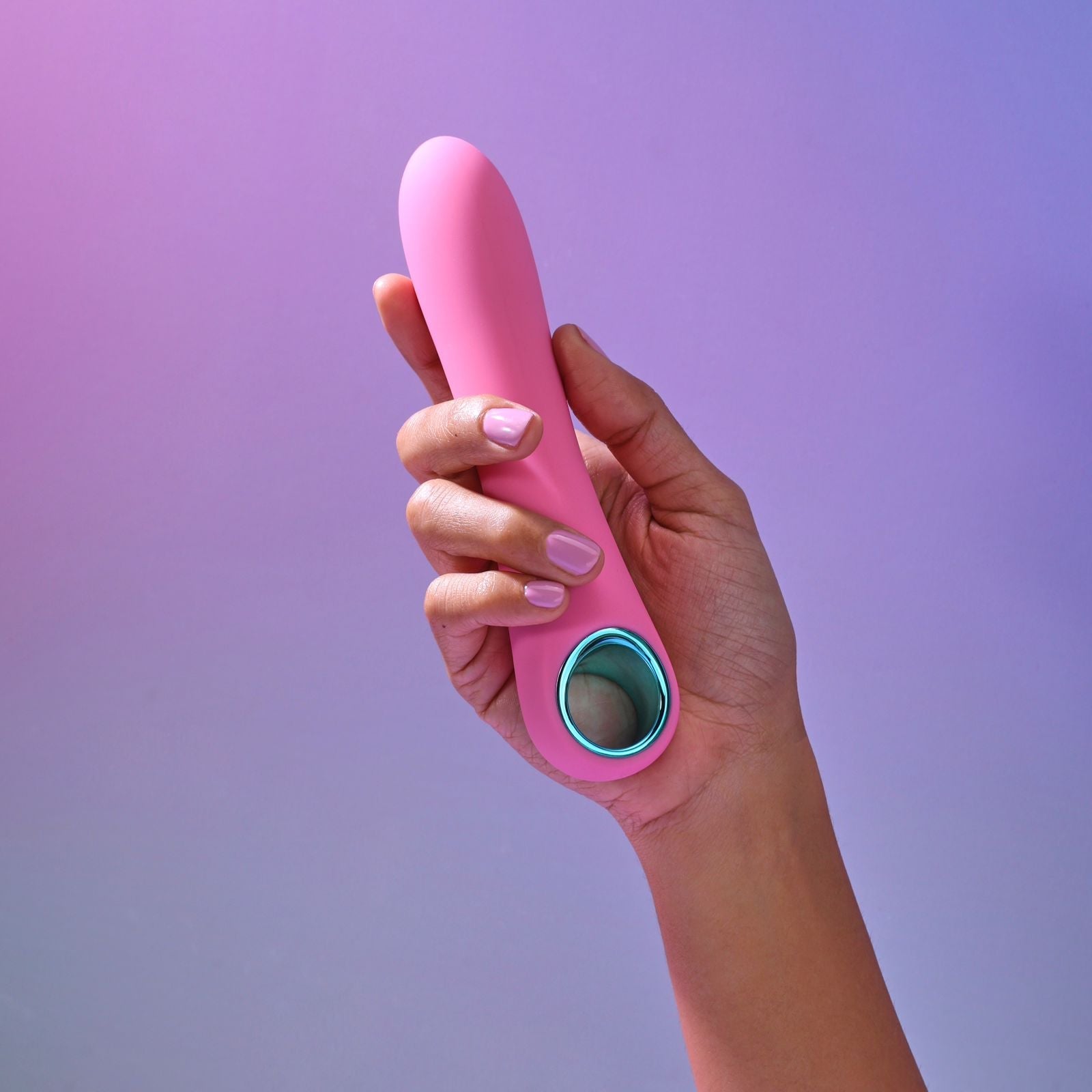
Your lubricant choice should also account for the material of your intimate toy. Leezu’s Jaadugar is a silicone-bodied personal massager with ten vibration modes. Explore how to use a vibrator to learn about safe usage, hygiene, and practical tips for a comfortable personal wellness experience.
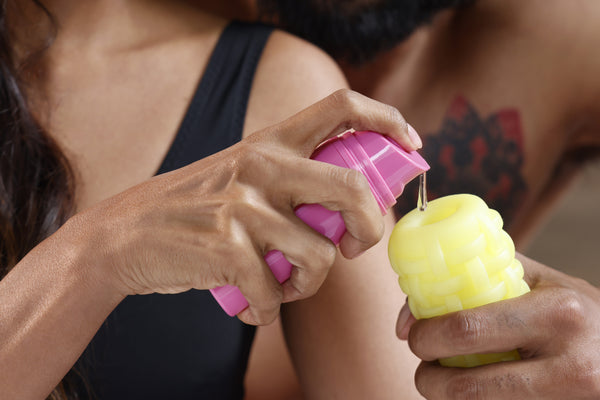
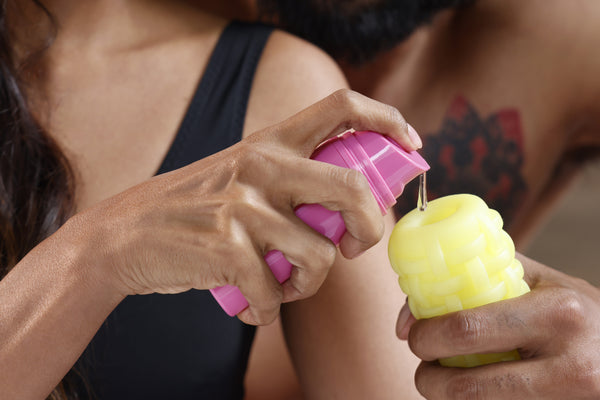
Water-based lubricants are generally a practical option for silicone toys, but checking the manufacturer's instructions remains important.
Explore Jaadugar and choose compatible products for a more comfortable experience.
How to Use Lubricant Comfortably and Responsibly
Even a well-formulated lubricant may not suit everyone. A few simple practices can help you make informed choices:
- Apply the amount recommended by the manufacturer and reapply when needed.
- Check condom compatibility before use.
- Confirm that the lubricant is suitable for your intimate toy.
- Stop using a product if it causes burning, itching, or irritation.
-
Seek medical advice for persistent discomfort, unusual discharge, strong odour, or recurring symptoms.
A pH balanced lube can be one consideration when choosing a lubricant for vaginal use, but it is not a treatment for infections or an assurance against irritation.
Make Comfort Part of Your Intimate Wellness Routine
Understanding pH, ingredients, and compatibility makes it easier to choose a lubricant that suits your body and preferences. The goal is not to find a product with the most impressive label, but one that fits your intended use and feels comfortable for you.
For more informed guidance on pleasure and intimate wellness, explore Leezu’s educational resources and product range.
Ready to find your fit? Discover Water-Based Love Jelly for a fragrance-free, flavour-free option, or explore Watermelon Love Jelly for a flavoured alternative. With Leezu’s, make room for curiosity, comfort, and pleasure on your own terms.
Frequently Asked Questions
Q1. How do I choose a pH balanced lube?
Check the intended use, pH information, ingredients, osmolality where available, and condom or toy compatibility. Choose a formula that suits your preferences and sensitivities.
Q2. Can lubricant affect vaginal pH?
A lubricant’s formulation may influence the vaginal environment, depending on its properties and use. Choose products intended for vaginal use, and seek medical advice if symptoms persist.
Q3. Is water-based lube better for vaginal health?
Water-based lubricants are versatile and easy to clean, but they are not automatically better for everyone. Consider the full formulation, available pH and osmolality information, and your individual needs.
Q4. Will a pH balanced lube prevent yeast infections or bacterial vaginosis?
No. A pH-balanced label does not establish that a lubricant prevents or treats yeast infections or bacterial vaginosis. Persistent symptoms require appropriate medical assessment.
Q5. What pH should a vaginal lubricant have?
The vagina is generally acidic during the reproductive years, often around pH 3.8–4.5. A lubricant’s suitability depends on its intended use and overall formulation, not one number alone.
Q6. Why does osmolality matter in a lubricant?
Osmolality measures the concentration of dissolved particles. High-osmolality lubricants may raise concerns about mucosal tissue effects, so it is useful to consider osmolality alongside pH and ingredients.
Q7. Can I use a pH balanced lube with condoms and silicone toys?
Compatibility depends on the lubricant, condom material, and toy manufacturer’s instructions. Water-based lubricants are often a practical starting point, but always check the specific product guidance.
Q8. Is a fragrance-free lubricant always suitable for sensitive skin?
No. Fragrance-free products may suit some sensitive users, but other ingredients can still cause irritation. Stop using a product that causes discomfort and seek professional advice if symptoms continue.