Dilruba
 Leezu's Plug
 Khiladi
 Zubaan
 Peaché
 Dilbar
 Power Rings
 Jaaneman
 Sultaan
 Pyaari
 Toofaan Intense
 Lipstick
 Jaadugar
 Natkhat
 FAQs
FAQs
 Track Your Order
 About Us


Sex during pregnancy and postpartum intimacy are different stages. After childbirth, there is no universal date for resuming sex. Healing, bleeding, hormonal changes, dryness, fatigue, and emotional readiness all matter. When you are ready, go slowly, communicate, use lubrication if needed, and seek professional advice for persistent pain.
Sex during pregnancy may be comfortable for many people with uncomplicated pregnancies, but postpartum intimacy is a new chapter. After birth, soreness, hormonal changes, fatigue, and body changes can affect desire and comfort. Leezu’s approach to intimate wellbeing keeps comfort at the centre. There is no prize for rushing back to sex; recovery and consent come first. What happens next can be gentler than you expect.
What Happens to Intimacy After Pregnancy?
Pregnancy and childbirth can change how your body feels and how much energy you have for intimacy. After birth, hormonal shifts may contribute to dryness, while tiredness, breastfeeding, healing, and caring for a newborn can affect libido.
Intimacy may simply look different for a while. Kissing, cuddling, massage or other forms of closeness can help couples reconnect without making penetration the immediate goal.
Sex During Pregnancy vs. Sex After Pregnancy: What's Different?
Sex during pregnancy and sex after childbirth involve different considerations. During an uncomplicated pregnancy, many people can remain sexually active, although a healthcare professional may recommend avoiding intercourse in certain circumstances. Understanding sex during pregnancy can also make the transition to postpartum intimacy less confusing.
After delivery, the focus shifts toward recovery. Vaginal birth can involve soreness, tears or stitches, while a C-section involves abdominal healing. Postpartum bleeding and tenderness can also affect comfort. NHS guidance notes that there are no fixed rules for restarting sex after birth.
The key takeaway? Sex during pregnancy does not create a countdown to postpartum intimacy. Your recovery does.
The Postpartum Intimacy Timeline: What to Expect
The First Few Days After Birth
The early days are about healing, rest, feeding, bonding, and adjusting to life with a newborn. Bleeding, soreness, and fatigue are common reasons to keep sex off the agenda. A hug, holding hands, or a quiet conversation can still be meaningful intimacy.
The First Few Weeks
During the first several weeks, healing continues. Vaginal soreness, perineal tenderness, incision discomfort, and dryness can affect intimacy.
If you are thinking about sex after pregnancy, do not compare your readiness with someone else's. If your body says “not yet,” listen to it. NHS guidance recommends taking things gently and using lubricant if dryness makes sex uncomfortable.
Around the Postpartum Check
A postpartum check is an opportunity to discuss healing, contraception, pain, breastfeeding, emotions, and sex. ACOG recommends contact within the first three weeks and a comprehensive checkup no later than 12 weeks after birth.
The often-mentioned “six-week” mark is not a universal deadline; your healthcare professional can advise you based on your recovery.
Beyond Six Weeks
Once you are medically ready and personally comfortable, intimacy can return gradually. Things may feel different, so take your time, communicate, use lubrication when useful, and stop if something hurts. There is no need to recreate your pre-pregnancy sex life immediately.
What Can Sex During Pregnancy Teach Us About Postpartum Intimacy?
One useful lesson from sex during pregnancy is that intimacy can adapt as the body changes. What feels comfortable during sex during pregnancy may change again after birth. Flexibility matters in both stages.
Instead of asking when you will “get back to normal,” ask what feels comfortable now. Your needs can change from one week to the next, and intimacy can evolve with them.
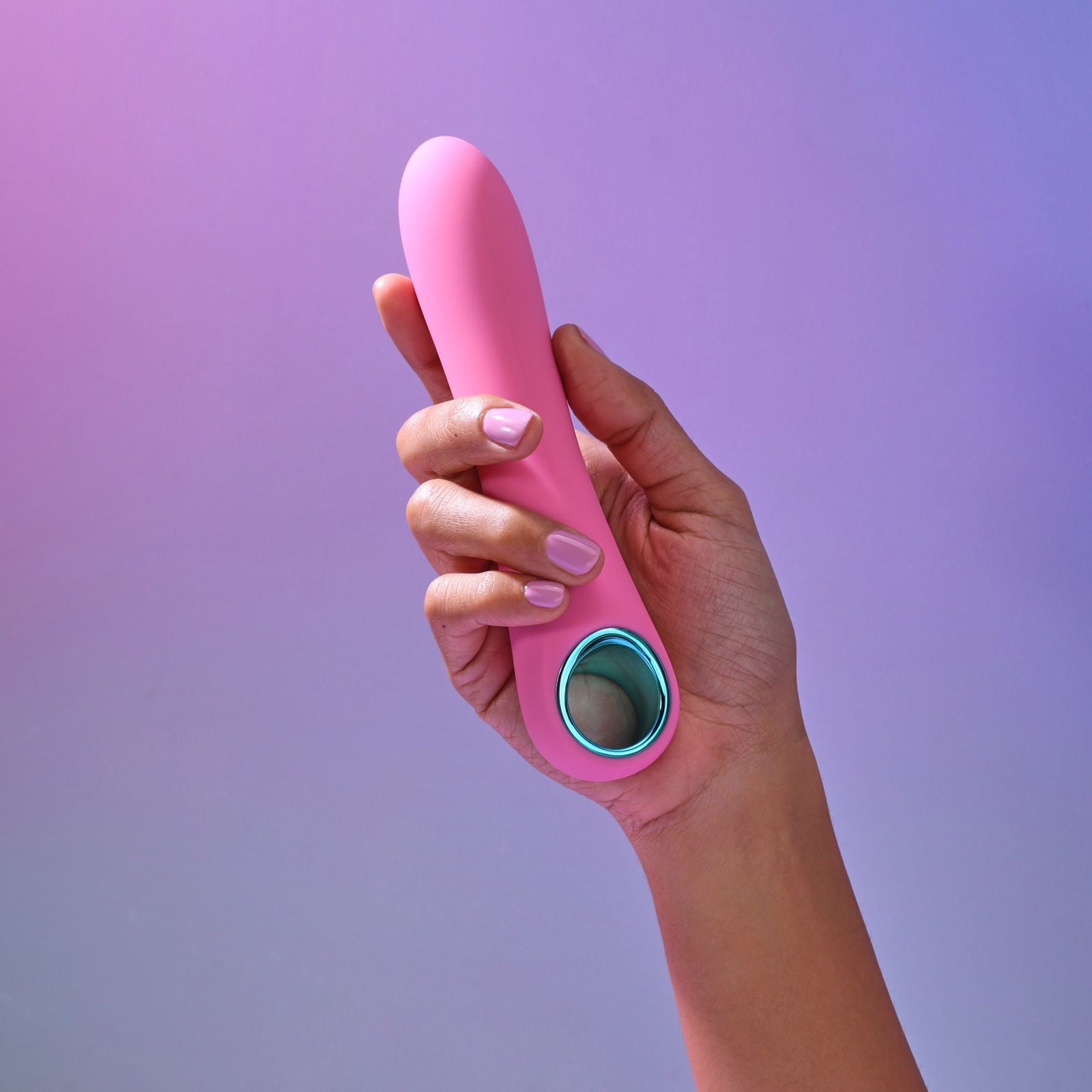
Also, explore personal body massager how to use for better intense pleasure.
Why Can Sex Feel Different After Childbirth?
Postpartum Vaginal Dryness
Hormonal changes after birth can make the vagina drier than usual, particularly during breastfeeding. Less moisture can increase friction. A water-based lubricant may support comfort, but it is not a treatment for an underlying medical problem.
Tenderness and Healing
Tissues can remain sensitive after vaginal delivery, particularly after a tear or episiotomy. C-section recovery can also affect comfort. Persistent pain deserves attention rather than being something you simply tolerate.
Lower Libido
Sleep deprivation, hormonal changes, stress, and caring for a baby can influence desire. You may want closeness without wanting sex, and that is valid.
Leeza Mangaldas has encouraged open conversations around pleasure and sexual wellbeing. That perspective fits postpartum intimacy well: connection works best when there is room for comfort, curiosity, and honest communication.

Explore, best sex toy india for better pleasure and intense experience.
Is Pain During Postpartum Sex Normal?
Some discomfort can occur during the early months after childbirth, particularly when tissues are healing or dryness is present. However, pain should not be ignored or treated as something you must push through.
If penetration hurts, pause. Try a slower approach, consider a water-based lubricant, and talk openly with your partner. If pain continues, becomes significant, or worries you, speak with your OB-GYN, midwife, or another qualified healthcare professional. NHS guidance specifically advises seeking help when postpartum sex remains painful.
Persistent pain can have several causes, including dryness, scar tissue or pelvic-floor changes, and may need individualized assessment.
Also, explore how to use lube for better smooth and intense experience.
Can Lubes Make Postpartum Intimacy More Comfortable?
Lubricants can be useful when postpartum dryness increases friction. A water-based option is easy to apply, clean, and reapply.
Leezu’s Love Jelly is a water-based, fragrance-free, and flavour-free lubricant designed to relieve dryness and reduce friction. Leezu states that it is suitable for internal and external use and compatible with latex, polyisoprene, silicone and TPE.
For a flavoured option, Watermelon Love Jelly is a watermelon-flavoured, water-based lubricant with the same stated internal/external use and material compatibility.
Leeza Mangaldas presents Leezu’s products within a broader conversation about making intimate experiences more comfortable and informed. Lubricant can support comfort, but persistent pain needs medical attention.
Explore, Leezus self-care merch to make things more interesting and exciting.
How to Ease Back Into Intimacy After Childbirth
There is no perfect script. Start with what feels comfortable and let intimacy build naturally.
- Talk about what feels good, what does not, and what you are ready for.
- Start with non-penetrative affection if penetration does not appeal yet.
- Go slowly and stop if needed.
- Use lubricant when dryness or friction is an issue.
- Remember contraception: pregnancy can occur three weeks after birth, even before periods return and while breastfeeding.
ACOG emphasizes that sex should be a mutual choice, without pressure.
Also, explore our other wellness products for her to enhance your pleasure and well-being.
What If You Don't Feel Interested in Sex After Pregnancy?
You may have little space for desire after having a baby. That does not mean something is wrong; hormones, sleep, stress, and emotions may all have changed.
Instead of asking, “Why am I not back to normal?” ask, “What would make closeness feel good right now?” Desire can return gradually.
For some, that may mean cuddling or kissing. For others, it may mean massage or simply spending uninterrupted time together. There is no requirement to follow someone else's schedule.
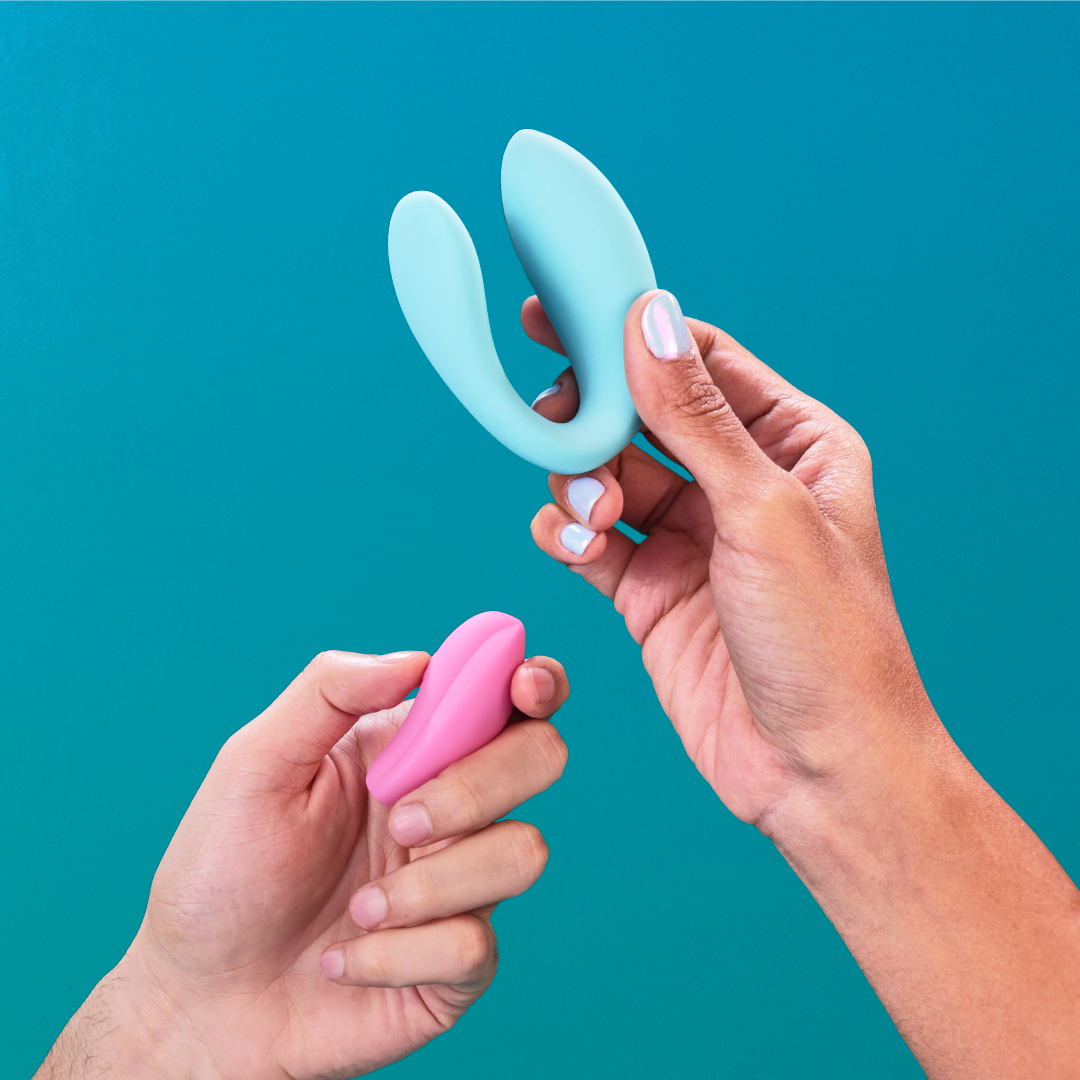
Explore, our products for couples to enhance your shared experience.
When Should You Speak to a Doctor About Postpartum Sex?
Seek professional guidance if you have persistent or significant pain, unusual bleeding, signs of infection, concerns about healing, or discomfort that continues despite taking things slowly.
You should also raise questions about contraception. You can become pregnant before your first postpartum period, so fertility should not be assumed to be absent.
Postpartum appointments are good times to ask about sex, pain, contraception, breastfeeding, and emotional wellbeing. ACOG notes that postpartum visits are opportunities to discuss sex and reproductive health.
Explore, our other wellness products for him to discover more ways to enhance pleasure and well-being.
Your Postpartum Intimacy Timeline Is Yours
There is no single version of “getting back to normal” after having a baby. For some, intimacy returns quickly; for others, it takes longer. What matters is feeling safe, comfortable, connected, and genuinely ready. Give your body time and ask for help when something does not feel right.
When you are ready for extra comfort, explore Leezu’s water-based Love Jelly for a simple way to reduce friction and support smoother intimacy. Prefer something fruity? Watermelon Love Jelly offers a flavoured alternative.
Ready to make intimacy more comfortable?
FAQs
Q1. How long should you wait to have sex after giving birth?
There is no universal timeline. Wait until you feel ready and follow advice based on your recovery.
Q2. Can you use lubricant after childbirth?
Yes. A water-based lubricant can reduce friction when postpartum dryness makes intimacy less comfortable.
Q3. Is sex painful after childbirth?
It can be, especially during healing or with dryness. Persistent or significant pain should be discussed with a healthcare professional.
Q4. Will breastfeeding affect sexual desire?
It can. Hormonal changes may contribute to dryness, while fatigue and caring for a newborn can also reduce desire.
Q5. What is the best lubricant for postpartum dryness?
A water-based lubricant is a practical option for reducing friction and is easy to clean. Choose one suited to your preferences and sensitivities.
Q6. Why does sex feel different after having a baby?
Healing, hormonal changes, dryness, pelvic-floor changes, fatigue, and emotional adjustment can all affect intimacy.
Q7. How can I make postpartum sex more comfortable?
Go slowly, communicate, use lubricant when needed, and stop if something hurts. Seek professional advice if discomfort continues.
Q8. Can you get pregnant soon after giving birth?
Yes. Pregnancy can occur as early as three weeks after birth, even before your period returns and while breastfeeding.