Dilruba
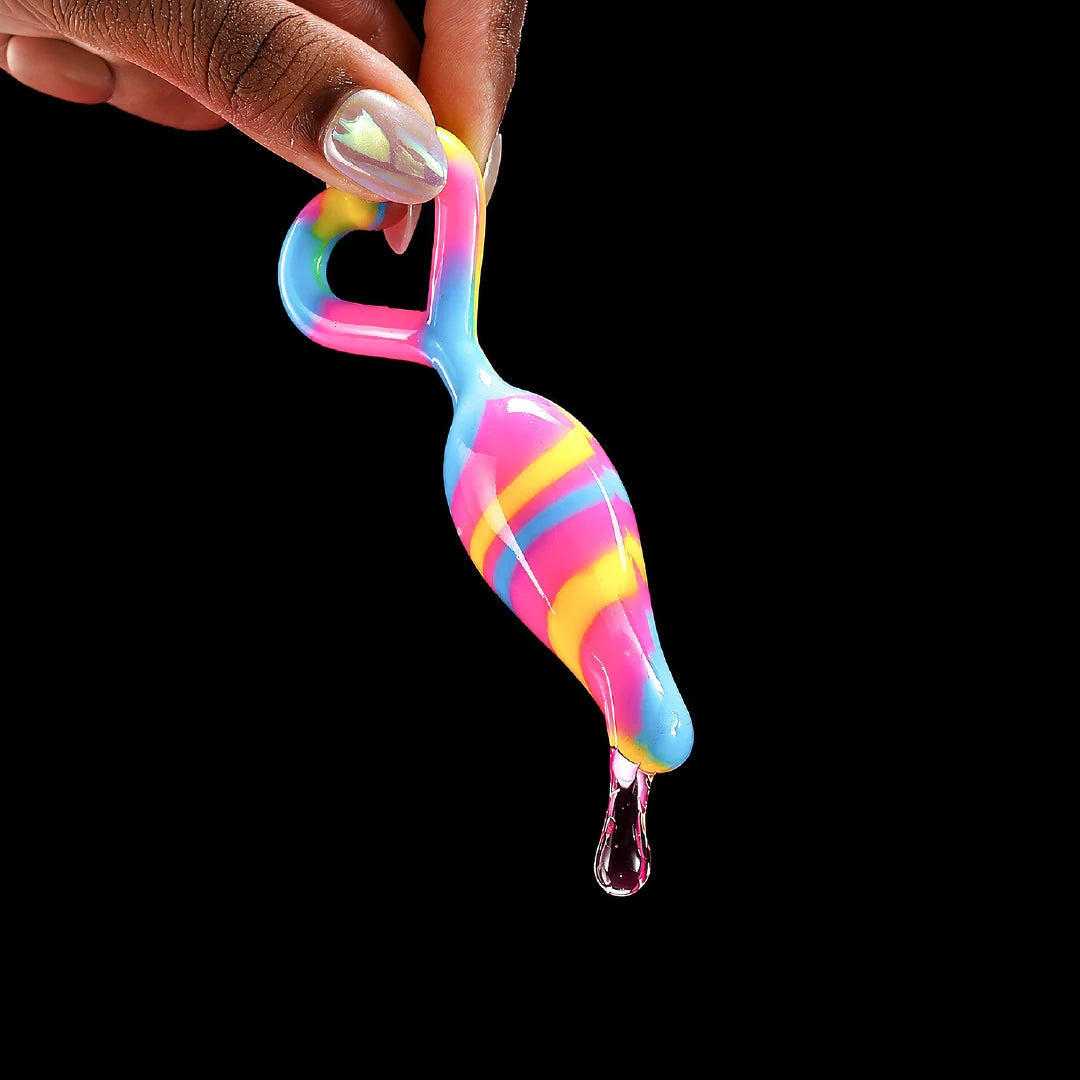 Leezu's Plug
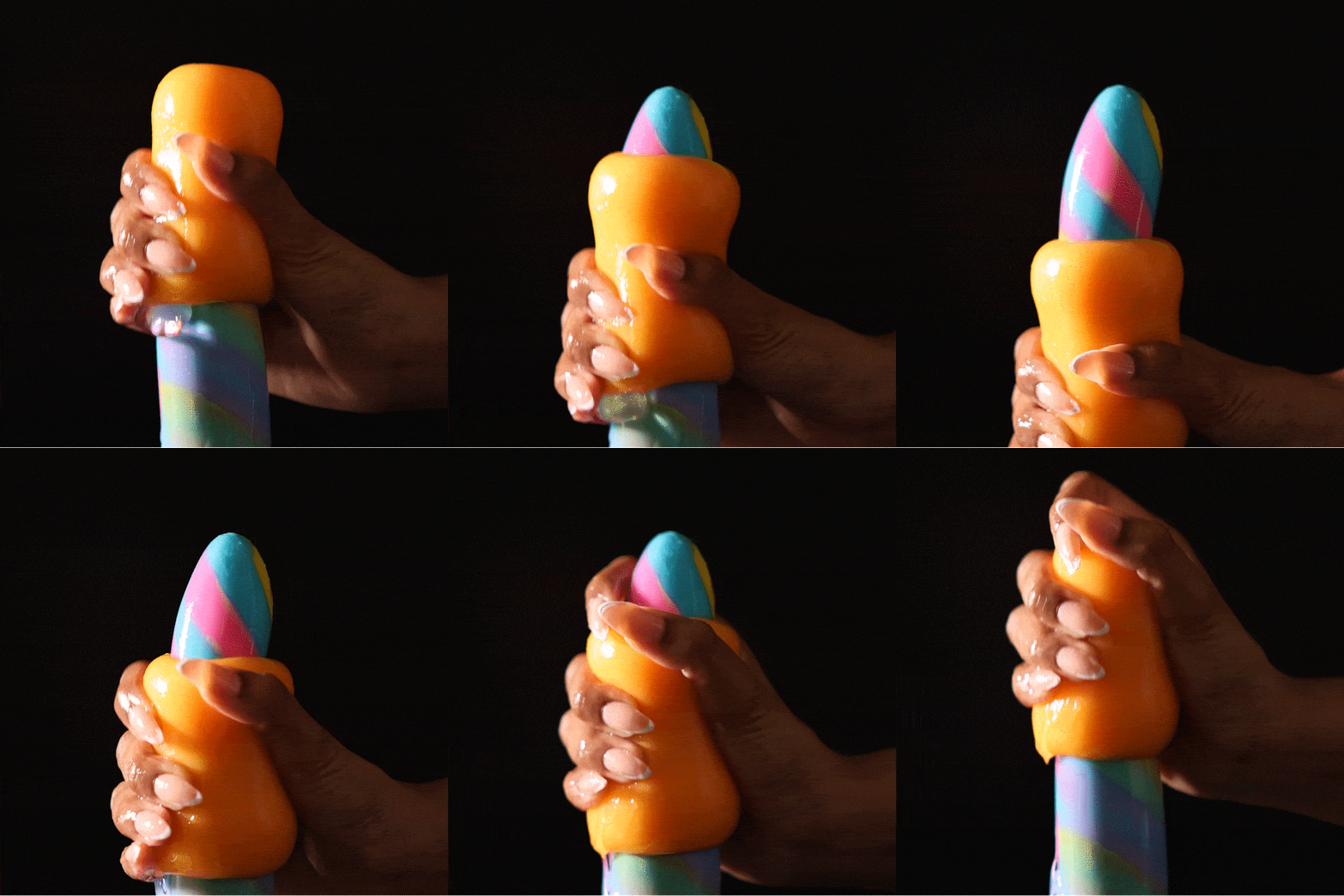 Khiladi
 Zubaan
 Peaché
 Dilbar
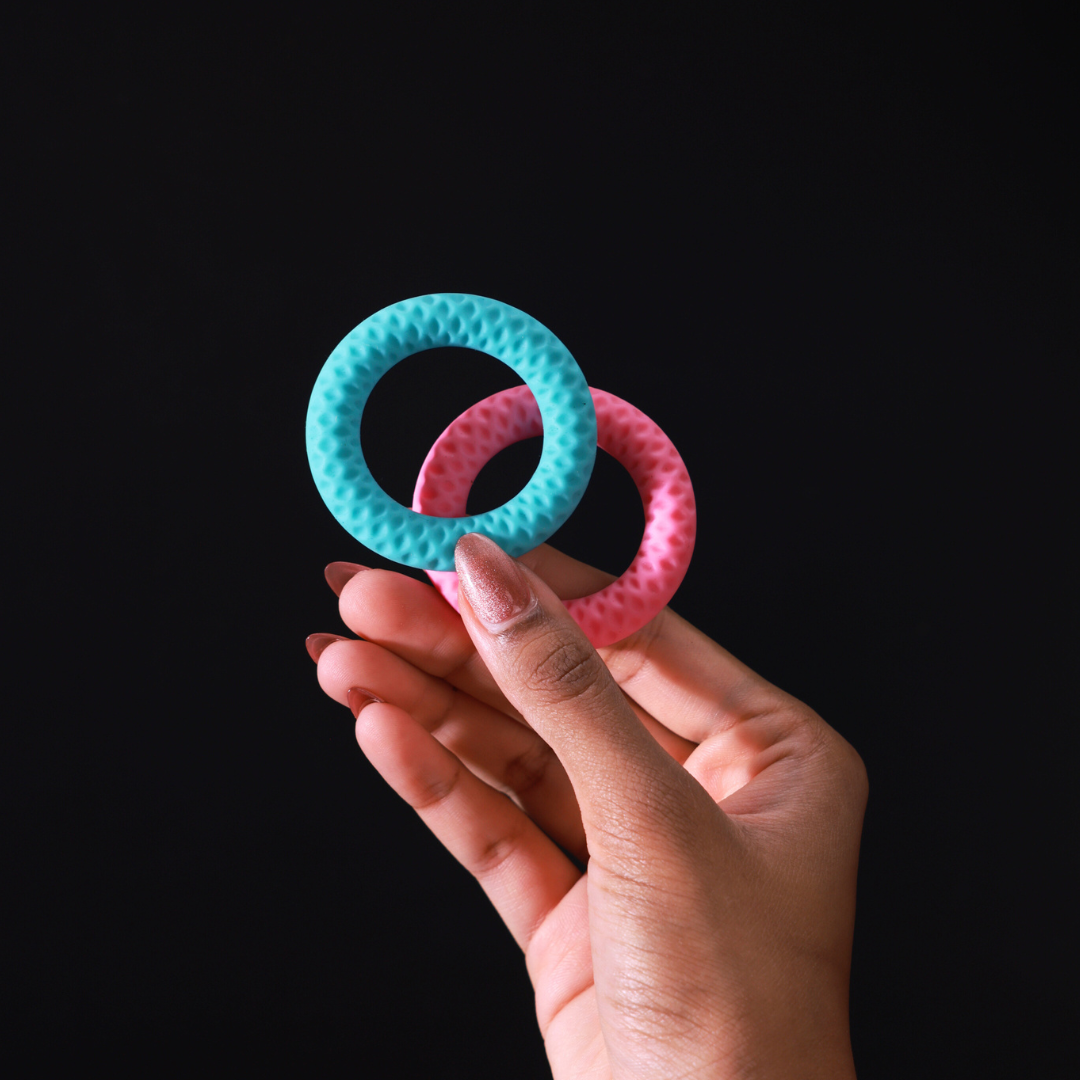 Power Rings
 Jaaneman
 Sultaan
 Pyaari
 Toofaan Intense
 Lipstick
 Jaadugar
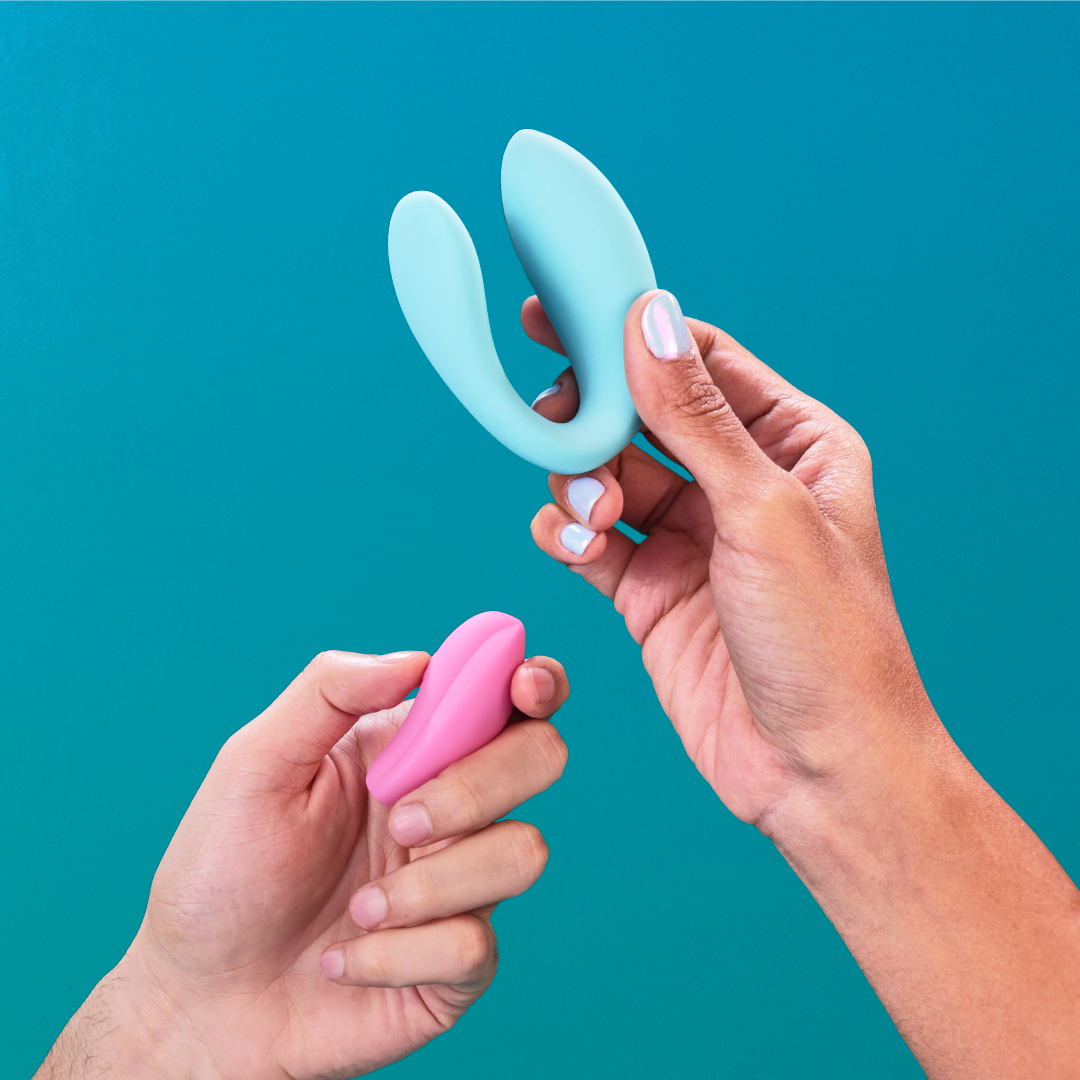 Natkhat
 FAQs
FAQs
 Track Your Order
 About Us


Vaginal dryness can happen at any age, not only after menopause. Hormonal shifts, breastfeeding, medicines, stress, irritation and changes in arousal can affect natural lubrication. The right response depends on the cause, while lubricants can reduce friction and improve comfort during intimacy. Persistent symptoms deserve medical advice.
Vaginal dryness is often treated as a menopause-only concern, but it can show up in your 20s, 30s, 40s and beyond. Hormones, medication, pregnancy, breastfeeding, stress and intimate-care habits can all play a role. Understanding the reason is the first step toward finding relief. Leezu’s believes comfortable intimacy should be easier to talk about, read on to see what may help. Explore Leezu’s lubes when you’re ready.
What Is Vaginal Dryness?
Vaginal dryness happens when the vaginal tissues have less moisture than usual, which can make everyday movement or intimacy uncomfortable. It may feel like dryness, burning, itching, soreness or friction, particularly during penetration. Estrogen plays an important role in maintaining healthy vaginal tissue, so changes in estrogen can influence lubrication.
Why Does Vaginal Dryness Happen at Different Ages?
Your age can offer a clue, but it does not tell the whole story.
In Your 20s
At this stage, dryness may be connected with hormonal contraception, medication, stress, irritation from fragranced products or simply not having enough time for arousal. It can also happen temporarily after certain health changes. If discomfort keeps returning, consider whether a new medicine, product or hormonal change coincided with the symptoms.
In Your 30s
Pregnancy and breastfeeding can bring hormonal changes. Breastfeeding in particular may temporarily lower estrogen levels, which can reduce vaginal lubrication. If you have recently given birth, allow your body time to recover and seek professional advice if symptoms are persistent or painful.
In Your 40s
Perimenopause often begins during the 40s and can bring fluctuating estrogen levels. Changes in periods may appear alongside hot flashes, sleep changes and vaginal or urinary symptoms. Dryness may therefore become more noticeable even before periods stop completely.
In Your 50s and Beyond
After menopause, lower estrogen can make vaginal tissues thinner, drier and less elastic. Some people experience burning, itching, discomfort during sex or urinary symptoms. These changes are common, but you do not have to simply put up with them. A healthcare professional can discuss suitable options.
Explore, Leezus self-care merch to make things more interesting and exciting.
What Are the Symptoms of Vaginal Dryness?
Common signs can include:
- A dry or less-lubricated feeling
- Burning, itching or irritation
- Vaginal or vulvar soreness
- Discomfort or pain during sex
- Light bleeding after sex in some cases
- Urinary discomfort or increased urinary symptoms
Explore, our products for couples to enhance your shared experience.
How Can You Relieve Vaginal Dryness?
Relief depends on what is causing the problem. For occasional dryness, simple changes may make intimacy more comfortable. For ongoing symptoms, treatment may need to address hormonal or other medical factors.
Use a Lubricant During Intimacy
A lubricant can reduce friction and make sexual activity more comfortable when there is not enough natural lubrication. Water-based lubricants are commonly recommended because they are easy to use and clean.
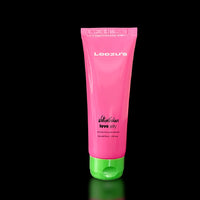
Leezu’s Love Jelly is a water-based personal lubricant designed to relieve dryness and reduce friction. The product page describes it as fragrance-free and flavour-free, suitable for internal and external use, and compatible with latex, silicone, polyisoprene and TPE. Follow the product directions and reapply as needed for comfort.
Keep expectations realistic: a lubricant helps manage friction and comfort; it does not necessarily treat the underlying reason for persistent dryness.

Consider Vaginal Moisturizers
Vaginal moisturizers are different from lubricants. Lubricants are generally used around sexual activity, while moisturizers are intended to provide longer-lasting moisture support. If dryness happens frequently, a healthcare professional can help you decide whether a moisturizer or another treatment is appropriate.
Review Potential Irritants
Avoid douching and be cautious with heavily fragranced soaps, washes and other products used around the vulva. Gentle cleansing is usually preferable. If a new intimate-care product seems to coincide with irritation, stop using it and see whether symptoms improve.
Give Arousal Time
Sexual arousal naturally increases genital blood flow and lubrication. Taking more time with foreplay and communication can help when insufficient arousal is contributing to temporary dryness.
Stay Hydrated
Adequate hydration supports general health, although drinking more water alone is not a cure for persistent dryness.
Explore our other wellness products for him to discover more ways to enhance pleasure and well-being.
When Should You See a Doctor?
Speak with a gynecologist or other qualified healthcare professional if dryness:
- Keeps returning or does not improve with measures
- Makes sex consistently painful
- Interferes with daily activities or exercise
- Occurs with significant burning, itching or urinary symptoms
- Is accompanied by unexplained or severe bleeding
- Begins after a medication change and continues
- Does not improve with over-the-counter products
Persistent symptoms can sometimes be related to menopause, medication effects, skin conditions, infections or other health issues. Getting the cause checked can help you choose the right treatment instead of repeatedly treating only the symptom.
Explore, side effects of lube for a better safe experience.
Can Lubricants Help With Vaginal Dryness?
Yes. They are particularly useful when dryness is situational or when you need additional lubrication during sex.
Leezu’s Love Jelly is one option for people looking for a water-based formula. Its product information states that it is fragrance-free and flavour-free and can be used internally or externally. Leeza Mangaldas, the founder associated with Leezu’s, presents the brand as focused on making intimate wellness easier to discuss and more approachable.
If you prefer a flavoured option, Leezu’s Watermelon Love Jelly is also water-based and designed for intimate use. Check the product instructions and your own comfort before using any intimate product.
Explore, how to use lube for a better smooth intimate experience.
What Helps After Menopause?
For menopause-related dryness, lubricants and vaginal moisturizers can relieve symptoms. Some people may also benefit from prescription treatments such as low-dose local estrogen, depending on their health history and symptoms. A clinician can explain the options and whether they are appropriate for you.
Explore, lube oil uses for a better smooth and intimate experience.
Final Thoughts
Vaginal dryness can happen at every age, and its cause may be temporary, hormonal, medication-related or connected with another health factor. Paying attention to when symptoms began, what changed around that time and whether they affect intimacy can provide useful clues.
For occasional friction, a suitable lubricant can make intimacy more comfortable. For persistent symptoms, professional evaluation matters. The goal is not simply to cover up discomfort but to understand what your body needs.
Leeza Mangaldas has helped make conversations around intimacy and sexual wellness more open, and that spirit is useful here: comfort is a legitimate part of intimate wellbeing. If you are ready to explore simple ways to make intimacy smoother, discover Leezu’s range of lubes and choose the option that fits your preferences.
Also, explore our other wellness products for her to enhance your pleasure and well-being.
Frequently Asked Questions
Q1. How can I relieve vaginal dryness quickly?
A water-based lubricant can provide temporary moisture and reduce friction during intimacy. For recurring symptoms, speak with a healthcare professional.
Q2. Can vaginal dryness happen before menopause?
Yes. It can occur before menopause due to hormonal changes, breastfeeding, medications, stress, irritation or other factors.
Q3. Is vaginal dryness normal at 40?
It can become more common during perimenopause because estrogen levels fluctuate, but persistent or painful symptoms should be evaluated.
Q4. What causes vaginal dryness besides menopause?
Common contributors include breastfeeding, certain medicines, hormonal contraception, stress, irritation and changes in sexual arousal.
Q5. Why does vaginal dryness hurt during sex?
Reduced lubrication can increase friction, which may cause soreness or pain. Persistent pain deserves professional assessment.
Q6. Will a water-based lubricant cure vaginal dryness?
No. It can reduce friction and improve comfort, but it does not necessarily treat the underlying cause of ongoing dryness.
Q7. How do I know when vaginal dryness needs medical attention?
Seek medical advice when symptoms persist, interfere with daily life, cause ongoing pain or occur with significant or unexplained bleeding.
Q8. Can I use lubricant every time I have sex?
Lubricants can generally be used during sexual activity according to product directions. Reapply when needed, and stop if irritation occurs.