Dilruba
 Leezu's Plug
 Khiladi
 Zubaan
 Peaché
 Dilbar
 Power Rings
 Jaaneman
 Sultaan
 Pyaari
 Toofaan Intense
 Lipstick
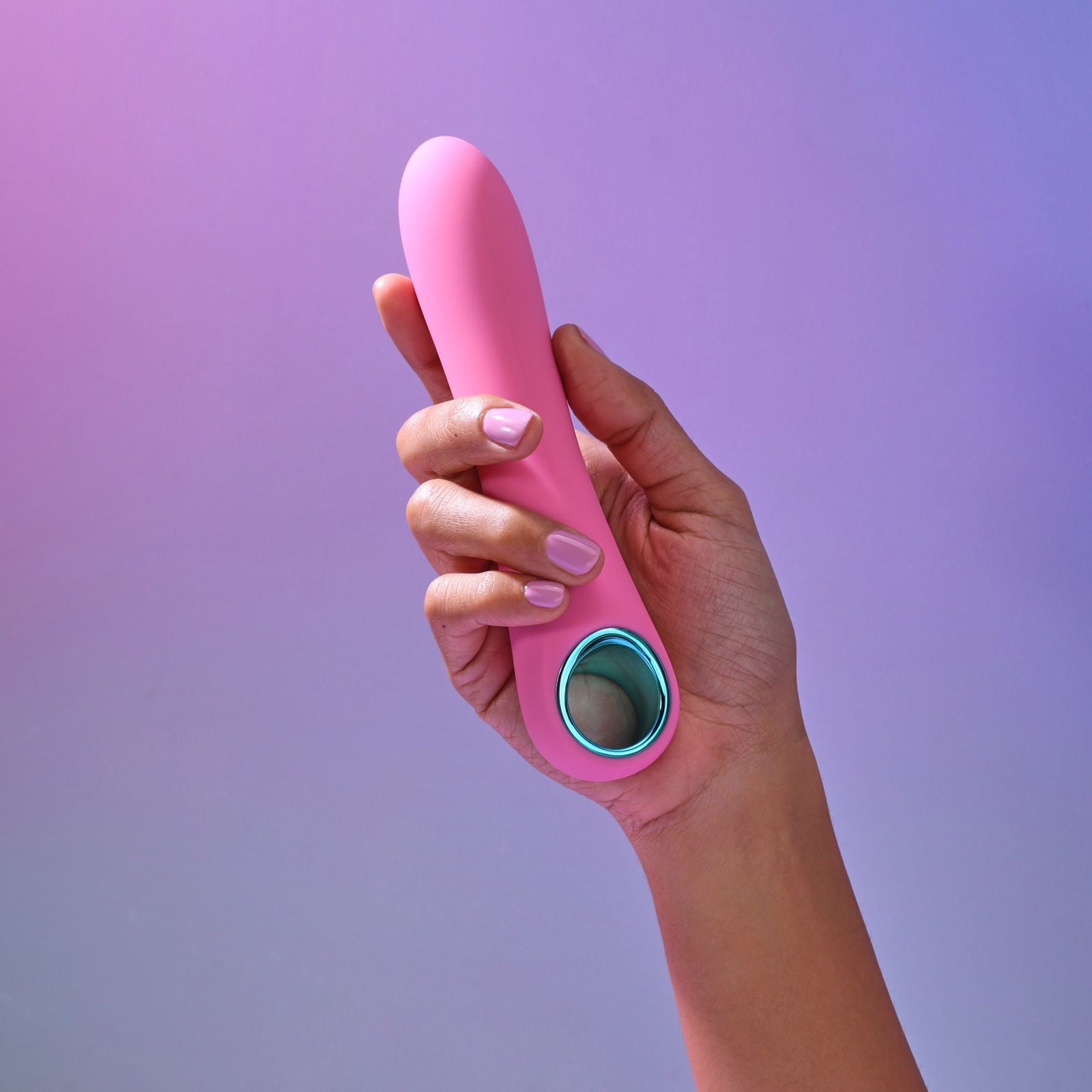 Jaadugar
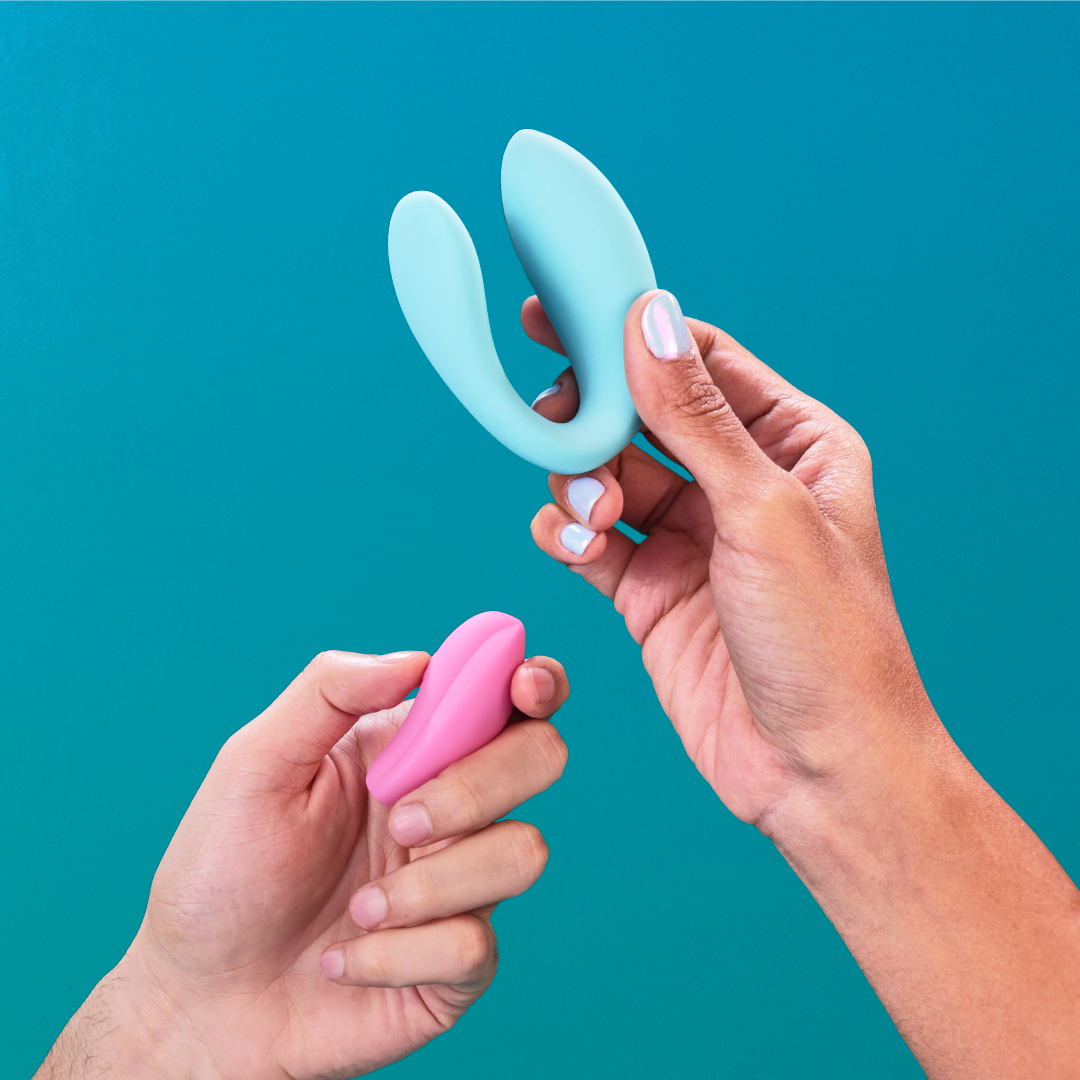 Natkhat
 FAQs
FAQs
 Track Your Order
 About Us


Fear of painful sex is common and can be caused by anxiety, vaginal dryness, pelvic floor tension, lack of arousal, or underlying medical conditions. Learning how to do sex without fear of pain involves slowing down, prioritizing comfort, using lubrication, communicating openly, and seeking professional support when needed. Pain during sex should never be ignored or considered something you simply have to endure.
If you're wondering how to do sex without fear of pain, the good news is that comfortable intimacy is possible for many people with the right approach. At Leezu's, we believe pleasure should never come at the cost of discomfort. Understanding the causes of pain, listening to your body, and taking things at your own pace can help make intimacy feel safer, more enjoyable, and more fulfilling.
Why Do Some Women Feel Fear Before Sex?
Many women experience anxiety before sex, especially if they've had painful experiences in the past or worry that intimacy might hurt. Fear is not a sign that something is wrong with you—it is often your body's way of trying to protect you.
Understanding the reasons behind that fear is the first step toward overcoming it. This can be especially common around first-time sex on a wedding night, when expectations and nerves are both running high.
The Fear-Pain Cycle Explained
When you expect pain, your body naturally becomes tense. This tension can cause the pelvic floor muscles to tighten, making penetration more uncomfortable.
As discomfort increases, fear often grows stronger. The next time intimacy is attempted, the body may react even more defensively. This creates what healthcare professionals commonly refer to as the fear-pain cycle.
Learning how to do sex without fear of pain often begins with breaking this cycle through education, relaxation, and gradual confidence-building.
Common Causes of Painful Sex
Several physical and emotional factors can contribute to pain during intimacy:
- Vaginal dryness
- Insufficient arousal
- Pelvic floor tension
- Vaginismus
- Endometriosis
- Hormonal changes
- Stress and anxiety
- Previous painful experiences
- Certain infections or medical conditions
Because the causes vary from person to person, identifying the root issue is important.
When Pain Should Never Be Ignored
Occasional discomfort may happen, but persistent pain deserves medical attention.
Speak with a healthcare professional if you experience:
- Sharp or severe pain
- Burning sensations
- Pain every time you have sex
- Unexplained bleeding
- Pelvic pressure
- Symptoms of infection
Seeking help early can prevent long-term discomfort and improve quality of life.
Step 1: Stop Putting Pressure on Penetration
One of the biggest misconceptions about sex is that penetration is the ultimate goal.
In reality, intimacy includes many forms of connection, pleasure, and closeness.
Intimacy Is More Than Penetration
Removing the pressure to "complete" sex can significantly reduce anxiety.
Many couples find that focusing on affection, touch, kissing, sensual exploration, and emotional connection creates a more positive experience.
Focus on Pleasure Instead of Performance
Rather than worrying about what should happen, pay attention to what feels comfortable and enjoyable.
This shift in mindset can make a remarkable difference when learning how to do sex without fear of pain. Once pressure is removed, exploring different sex positions for maximum pleasure becomes much easier.
Step 2: Create a Relaxed Environment
Your environment affects your comfort level more than you might think.
Reduce Mental Stress Before Intimacy
Consider activities that help you feel calm and grounded:
- Deep breathing exercises
- Gentle stretching
- Meditation
- Taking a warm shower
- Listening to relaxing music
Reducing stress helps the body become more receptive to pleasure.
Communicate Openly With Your Partner
Honest communication is essential.
Discuss:
- Your concerns
- Your comfort levels
- What feels good
- What doesn't feel good
- When to slow down or stop
A supportive partner can help create a sense of safety and trust.
Why Emotional Safety Matters
The brain and body work together during intimacy.
When you feel emotionally secure, your body is often better able to relax and respond naturally.
Step 3: Prioritize Foreplay and Arousal
Arousal is not optional—it is an important part of comfortable intimacy.
Why Rushing Can Increase Discomfort
The body needs time to prepare for sexual activity.
During arousal:
- Blood flow increases
- Natural lubrication develops
- Muscles relax
-
Sensitivity improves
Skipping these stages can make sex feel uncomfortable.
Signs Your Body Is Ready
You may notice:
- Increased lubrication
- Relaxed breathing
- Reduced tension
- Greater feelings of desire and comfort
Everyone's timeline is different.
Explore What Feels Good First
Self-exploration can help you better understand your body.


Many adults find that body-safe wellness products can support this journey. Beginner-friendly options from Leezu's, such as Pyaari or Lipstick, may help individuals explore sensation at their own pace and become more familiar with their body's responses in a comfortable setting. To understand the broader range of what's available, see what sex toys can do for your sexual wellness.
Understanding your own preferences can make discussions with a partner easier and more productive.
Step 4: Use Lubrication Generously
Lubrication is one of the simplest ways to improve comfort.
Why Lubrication Matters
Lubrication helps:
- Reduce friction
- Improve comfort
- Increase confidence
- Support smoother movement
Even when natural lubrication is present, additional lubricant can still be beneficial.
Choosing the Right Lubricant
Look for products that are:
- Body-safe
- Comfortable to use
- Compatible with your needs
Leezu's Love Jelly Water-Based Lubricant is one example of a product designed to support smoother and more comfortable intimate experiences, and the Watermelon Love Jelly variant offers the same benefits with a playful twist. Our guide on how to use lube covers application in more detail.
For many people learning how to do sex without fear of pain, proper lubrication is an important piece of the puzzle.
Step 5: Go Slow and Let Your Body Lead
There is no prize for rushing.
The Importance of Gradual Progress
Comfort often develops gradually.
Take things one step at a time and allow your body to adjust naturally.
Positions That May Feel More Comfortable
Some people find greater comfort in positions that allow them to control movement and depth.
Examples include:
- Woman-on-top positions
- Side-lying positions
- Slow-entry positions
Comfort varies from person to person.
Listen to Your Body's Signals
Pay attention to what your body is telling you.
Discomfort is information—not something to push through.
A major part of understanding how to do sex without fear of pain is learning to respect your body's boundaries.
Step 6: Build Confidence Through Self-Exploration
Confidence grows with familiarity.
Why Body Awareness Helps
The more you understand your body, the easier it becomes to communicate your needs and preferences.
Self-awareness can help reduce uncertainty and anxiety.
Explore Without Pressure
Approach self-exploration with curiosity rather than expectations.
There is no right timeline.
There is no performance standard.
There is only your comfort and your experience.
Beginner-Friendly Wellness Tools
Some adults choose to incorporate body-safe products into their self-discovery journey.
Leezu's offers beginner-friendly options such as Pyaari, Lipstick, and Jaadugar, which are designed with comfort, accessibility, and pleasure education in mind.
For many individuals, self-exploration becomes a valuable step in learning how to do sex without fear of pain.
Step 7: Seek Professional Support If Pain Persists
Pain should never be normalized.
When to Consult a Gynecologist
Consider seeking medical advice if:
- Pain is recurring
- Symptoms worsen over time
- You experience bleeding
- You suspect an underlying condition
How Pelvic Floor Therapy Can Help
Pelvic floor physical therapists specialize in treating muscle tension and dysfunction that may contribute to painful sex.
Many people experience significant improvement through guided therapy.
Treatment Options for Vaginismus and Dyspareunia
Depending on the cause, treatment may include:
- Pelvic floor therapy
- Counseling
- Lubrication strategies
- Medical interventions
- Education and support
Professional guidance can provide clarity and reassurance.
Common Myths About Pain During Sex
Myth 1: Pain Is Normal for Women
While occasional discomfort can occur, ongoing pain is not something women should simply accept.
Myth 2: You Just Need to Relax
Relaxation helps, but physical conditions may also contribute to pain.
Myth 3: More Experience Automatically Fixes Everything
Pain that stems from medical or muscular issues often requires targeted support and treatment.
Conclusion
Learning how to do sex without fear of pain is not about forcing yourself to be brave or pushing through discomfort. It is about understanding your body, respecting your limits, and creating conditions that allow intimacy to feel safe and pleasurable.
Whether the cause is physical, emotional, or a combination of both, support is available. Comfortable intimacy is possible, and you deserve an experience that prioritizes both your wellbeing and your pleasure.
Explore Intimate Wellness With Leezu's
Your comfort matters.
At Leezu's, we believe that pleasure, education, and body confidence go hand in hand. Whether you're looking to explore self-discovery, improve comfort during intimacy, or better understand your body's responses, our carefully curated intimate wellness collection is designed to support your journey.
From Love Jelly Water-Based Lubricant to beginner-friendly products like Pyaari, Lipstick, and Jaadugar, Leezu's offers body-safe options that encourage exploration at your own pace.
Because learning how to do sex without fear of pain starts with knowledge, self-compassion, and choosing products that support your comfort every step of the way.
Frequently Asked Questions
Q1. How can I start having sex without being afraid of pain?
Start by removing pressure, focusing on arousal, communicating openly, using lubrication, and progressing slowly. Learning how to do sex without fear of pain often involves building trust in your body over time.
Q2. How long does it take to overcome fear of painful sex?
There is no universal timeline. Some people feel more confident within weeks, while others may need longer, depending on the underlying cause.
Q3. Can anxiety alone make sex painful?
Yes. Anxiety can contribute to muscle tension, reduced arousal, and increased sensitivity, which may make sex feel uncomfortable.
Q4. Can lubrication help prevent painful sex?
For many people, yes. Lubrication can reduce friction and increase comfort during intimacy.
Q5. Is it normal to be scared before sex?
Yes. Nervousness before sex is common, particularly for people with limited experience or previous painful encounters.
Q6. Will painful sex go away on its own?
Not always. If pain continues or becomes worse, it is important to consult a healthcare professional.
Q7. What is the most common cause of painful sex?
Common causes include vaginal dryness, insufficient arousal, pelvic floor tension, hormonal changes, and certain medical conditions.
Q8. Why does my body tense up during intimacy?
The body may respond to fear, anxiety, stress, or previous negative experiences by tightening muscles as a protective mechanism.