Dilruba
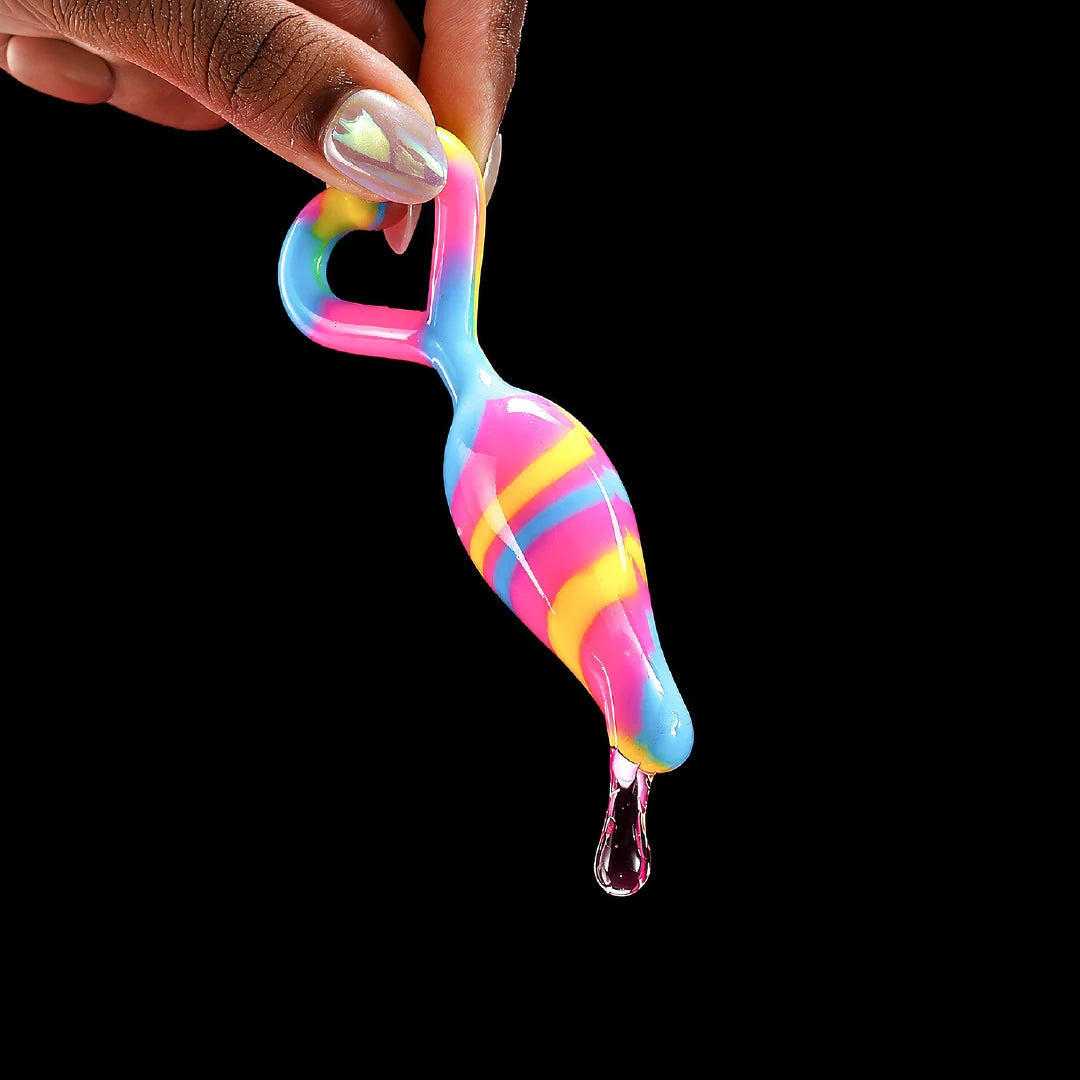 Leezu's Plug
 Khiladi
 Zubaan
 Peaché
 Dilbar
 Power Rings
 Jaaneman
 Sultaan
 Pyaari
 Toofaan Intense
 Lipstick
 Jaadugar
 Natkhat
 FAQs
FAQs
 Track Your Order
 About Us


A situationship is a romantic or emotional connection without clear commitment or defined relationship labels. It often includes emotional intimacy, physical closeness, and inconsistent communication, leaving one or both people confused about the future. Understanding the situationship meaning can help you recognize unhealthy patterns, set boundaries, and build healthier emotional connections.
The situationship meaning has become one of the most searched modern dating terms because many relationships today exist in a grey area between casual dating and commitment. At Leezu’s, we believe emotional intimacy, communication, and self-awareness are essential parts of healthy relationships, whether you're exploring connection, boundaries, or personal confidence.
What Is the Real Situationship Meaning?
A situationship is a romantic or emotional relationship that lacks clear labels, commitment, or long-term expectations. Unlike a committed relationship, a situationship usually exists without defining where things are headed.
You may talk every day, spend time together regularly, and even share emotional intimacy, but the relationship itself remains uncertain.
For many people, situationships feel emotionally intense because they combine closeness with unpredictability. One week things may feel serious, and the next week communication becomes distant or unclear.
The situationship meaning often reflects modern dating culture, where emotional connection exists without structure, commitment, or mutual clarity.
Why Are Situationships So Common Today?
Modern relationships look very different from previous generations. Dating apps, social media, changing relationship expectations, and fear of vulnerability have all contributed to the rise of situationships.
Several reasons explain why people enter undefined relationships:
- Fear of commitment
- Desire for emotional connection without responsibility
- Convenience and low-pressure companionship
- Uncertainty about long-term compatibility
- Casual dating culture
- Emotional availability issues
For some people, a situationship feels easier than having difficult conversations about expectations or exclusivity.
However, emotional ambiguity can become exhausting over time.
10 Signs You’re in a Situationship
1. The Relationship Has No Clear Label
You spend time together regularly, but conversations about commitment never happen — or are avoided completely.
2. Communication Feels Inconsistent
Some days the connection feels intense and affectionate. Other days, communication disappears without explanation.
3. You Feel Emotionally Confused
Healthy relationships usually provide emotional safety. Situationships often create uncertainty and anxiety.
4. Future Plans Are Rarely Discussed
There’s little conversation about long-term goals, exclusivity, or building a future together.
5. Physical Intimacy Is Stronger Than Emotional Clarity
You may share strong chemistry, but emotional expectations remain unclear.
6. One Person Wants More
Situationships often become emotionally difficult when one person secretly hopes the connection will turn into a committed relationship.
7. You’re Not Fully Integrated Into Each Other’s Lives
You may not meet close friends, family members, or important people in each other’s lives.
8. Boundaries Are Undefined
Without healthy communication, emotional and physical boundaries can become blurry.
9. The Relationship Exists Mostly in Private
Public acknowledgment or commitment may feel uncomfortable or avoided.
10. You Keep Waiting for Clarity
If you constantly hope things will eventually “become official,” you may already be in a situationship.
Situationship vs Relationship: What’s the Difference?
|
Situationship |
Healthy Relationship |
|
Undefined expectations |
Clear communication |
|
Emotional uncertainty |
Emotional security |
|
Avoids commitment conversations |
Mutual commitment |
|
Inconsistent effort |
Consistent support |
|
Future feels unclear |
Shared long-term direction |


A healthy relationship does not require perfection, but it usually includes honesty, emotional accountability, and mutual understanding.
The situationship meaning becomes clearer when compared to relationships built on communication and emotional consistency.
Why Situationships Feel So Addictive
Situationships can create emotional highs and lows that feel difficult to leave behind.
Psychologically, uncertainty often increases emotional attachment. When affection becomes unpredictable, the brain can become more focused on seeking validation and reassurance.
This emotional cycle may involve:
- Anxiety about where you stand
- Excitement after periods of distance
- Hope for emotional commitment
- Fear of losing the connection
People with anxious or avoidant attachment styles may find themselves repeatedly drawn toward emotionally unclear relationships.
This is why situationships often feel emotionally intense, even when they lack stability. If you're processing these feelings through entertainment, our roundup of Netflix sex movies includes a few titles that explore exactly these kinds of emotionally murky dynamics.
Are Situationships Always Unhealthy?
Not necessarily.
Some people mutually agree to maintain a casual emotional or physical connection without expecting commitment. In those cases, honesty and communication matter most.
A situationship becomes emotionally unhealthy when:
- One person feels emotionally neglected
- Boundaries are ignored
- Communication becomes manipulative
- Emotional needs are dismissed
- Confusion replaces clarity
The issue is not always the label itself — it’s whether both people genuinely understand and accept the dynamic.
How to Navigate a Situationship in a Healthy Way
Understand What You Truly Want
Ask yourself:
- Do I want emotional security?
- Am I hoping this becomes a relationship?
- Does this connection make me feel respected?
Being honest with yourself is the first step toward emotional clarity.
Communicate Directly
Avoid guessing games.
Simple conversations about expectations, exclusivity, emotional needs, and boundaries can prevent long-term confusion. If you and a potential partner are ready to move toward something more intentional, our list of 25 intimate questions to make your partner blush in bed is a gentle, low-pressure way to start that conversation.
Stop Romanticizing Mixed Signals
Inconsistent behavior is not emotional depth. Clarity and consistency are healthier foundations for connection.
Protect Your Emotional Well-Being
If a situationship constantly creates stress, anxiety, or emotional imbalance, it may no longer be healthy for you.
Know When to Walk Away
Sometimes emotional peace matters more than emotional potential.
Leaving an undefined relationship can create space for healthier connections built on honesty and emotional security.
Emotional Intimacy, Confidence & Personal Wellness
Modern intimacy is not only about relationships — it’s also about understanding yourself emotionally and physically.
Feeling confident in your body, desires, and communication style can improve both personal well-being and romantic relationships.
At Leezu’s , intimacy is approached through confidence, self-discovery, and shame-free wellness conversations.
Their thoughtfully designed wellness products support emotional comfort, self-exploration, and deeper connection.
Some of their most popular products include:
- Pyaari — a beginner-friendly dual stimulation massager designed for gentle exploration
- Natkhat — a couples-friendly remote-controlled massager that encourages playful intimacy
- Toofaan — a bestselling men’s stroker focused on comfort and sensation
- Love Jelly — a smooth, water-based lubricant for enhanced comfort and intimacy
- Jaaneman — an internal wand massager created for deeper personal exploration
Rather than treating intimacy as taboo, brands like Leezu’s encourage healthier conversations around pleasure, confidence, communication, and emotional wellness.
Read for more information: Dirty Pickup Lines
How to Move From Confusion to Clarity
Situationships often teach people important lessons about emotional boundaries, communication, and self-worth.
Clarity may feel uncomfortable at first, but it creates healthier emotional experiences in the long run.
Healthy intimacy usually includes:
- mutual respect,
- emotional honesty,
- communication,
- consistency,
- and shared understanding.
The situationship meaning ultimately reflects one important truth: emotional connection without clarity can become emotionally draining over time.
Choosing yourself, your emotional needs, and your peace is never selfish.
Explore Intimacy, Confidence & Connection With Leezu’s
Healthy relationships begin with emotional honesty, but confidence and self-awareness matter too.
Whether you’re exploring self-discovery, emotional intimacy, or deeper connection with a partner, Leezu’s offers thoughtfully designed intimate wellness products that make pleasure, comfort, and communication feel natural and shame-free.
From Pyaari and Natkhat to Toofaan, Love Jelly, and Jaadugar, Leezu’s is helping redefine modern intimacy through body-safe, discreet, and confidence-focused wellness products designed for real people and real relationships. When you're ready to explore that next chapter together, the for couples collection and the Tannmann Dil card game are both designed to help build exactly the kind of playful, communicative connection that situationships tend to lack.
Frequently Asked Questions
Q1. What is the exact situationship meaning?
A situationship is an undefined romantic or emotional relationship without clear commitment, labels, or long-term expectations.
Q2. Why do people stay in situationships?
People may stay because of emotional attachment, fear of loneliness, physical intimacy, hope for commitment, or uncertainty about what they truly want.
Q3. Can a situationship turn into a real relationship?
Yes, some situationships develop into committed relationships when both people communicate openly and want the same future.
Q4. Is a situationship toxic?
Not always. A situationship becomes unhealthy when communication is dishonest, emotional needs are ignored, or one person feels emotionally manipulated.
Q5. How do you know if you're in a situationship?
Common signs include inconsistent communication, lack of labels, emotional confusion, unclear boundaries, and avoiding conversations about commitment.
Q6. Will a situationship usually last long-term?
Most situationships eventually end, evolve into relationships, or fade due to emotional uncertainty and lack of direction.
Q7. Why are situationships emotionally exhausting?
The unpredictability of affection and commitment often creates anxiety, confusion, and emotional imbalance over time.
Q8. How can you leave a situationship peacefully?
Leaving starts with honest communication, emotional boundaries, self-respect, and prioritizing relationships that provide clarity and consistency.