 Leezu's Plug
 Khiladi
 Zubaan
 Peaché
 Dilbar
 Power Rings
 Jaaneman
 Sultaan
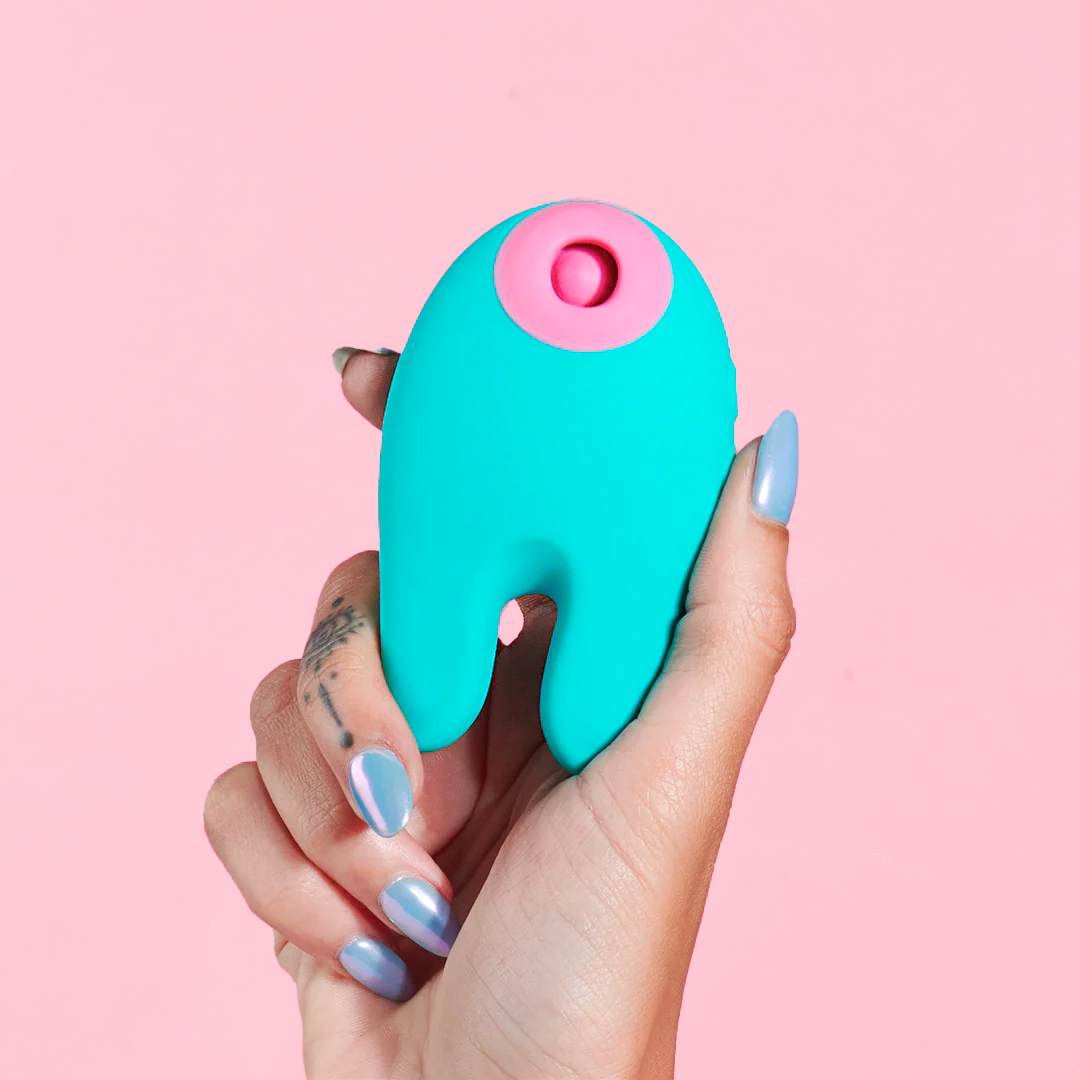 Pyaari
 Toofaan Intense
 Lipstick
 Jaadugar
 Natkhat
 FAQs
FAQs
 Track Your Order
 About Us


If you cannot orgasm, it does not automatically mean something is wrong with you. Difficulty reaching orgasm can be influenced by stress, anxiety, medications, hormonal changes, health conditions, relationship factors, or simply not receiving the type of stimulation your body responds to. Understanding your sexual response is often the first step toward meaningful change.
If you cannot orgasm, there may be more than one reason behind it. Stress, medication, hormonal shifts, emotional factors, and stimulation preferences can all influence sexual response. The good news is that understanding your body can make pleasure feel less like a test and more like an exploration. And sometimes, that shift changes everything.
What Is Anorgasmia?
Anorgasmia is the medical term used when someone has persistent difficulty experiencing orgasm, despite adequate sexual stimulation. It can be lifelong, or it can develop after a period when orgasm was possible.
Occasional difficulty reaching orgasm is not necessarily anorgasmia. Sexual response naturally changes with stress, sleep, hormones, medications, mood, and circumstances. A diagnosis should come from a qualified healthcare professional when the difficulty is persistent and causes personal distress.
Why Can’t I Orgasm?
When you cannot orgasm, start by looking at the whole picture rather than searching for a single cause. Notice whether the difficulty happens every time or only in certain situations. That distinction can reveal useful clues about stimulation, stress, medication, relationships, or physical changes and can guide your next step without pressure or judgment.
Orgasm is a complex response involving the brain, body, emotions, arousal, and stimulation. Several factors can overlap.
Stress and Anxiety
Your mind matters during sex. Work pressure, relationship worries, self-consciousness, or simply thinking, “Why isn't this happening yet?” can make it harder to stay connected to pleasurable sensations. Trying to force an orgasm can create a cycle of pressure that makes relaxation more difficult.
Not Enough of the Right Kind of Stimulation
There is no universal formula for pleasure. The speed, pressure, rhythm, and type of stimulation that feels good can differ significantly from person to person. For many women, external stimulation, particularly around the clitoris, may be important for orgasm.
This is why penetration alone may not provide the stimulation someone needs. Exploring what feels comfortable and pleasurable can be more useful than assuming there is one “correct” way to climax.
Medications and Health Conditions
Some medicines can affect sexual desire, arousal, or orgasm. Certain antidepressants, for example, are known to influence sexual function. Health conditions that affect hormones, nerves, blood flow, energy or general wellbeing can also play a role.
If your difficulty began after starting or changing a medicine, speak with your doctor rather than stopping it yourself. A healthcare professional can help determine whether another factor may be involved.
Hormonal Changes
Sexual response can change during different stages of life. Menopause, postpartum changes, and other hormonal fluctuations may affect arousal, comfort, and sexual response. Changes in vaginal lubrication or sensitivity can also alter how pleasurable sexual activity feels.
Relationship and Emotional Factors
Feeling safe, relaxed and comfortable can matter. Communication, trust, relationship dynamics and emotional wellbeing may all influence sexual experiences.
Why Can I Orgasm Alone but Not With a Partner?
Solo stimulation may give you complete control over pressure, pace, timing and intensity. You may also feel more relaxed and less aware of expectations.
Talking openly about what feels good can help. Instead of treating orgasm as the goal your partner must achieve, think of intimacy as something you can explore together. Showing or describing preferred pressure, rhythm, or stimulation can make partnered experiences more comfortable and personalised.
Also, explore how to use lubs for more smooth and pleasure.
Can You Orgasm Without Penetration?
Yes. Penetration is not the only way a person can experience orgasm. External stimulation can be an important part of sexual pleasure, and individual preferences vary widely.
That is why exploring different forms of external stimulation can be useful when you cannot orgasm through penetration alone. The objective is not to follow a prescribed technique; it is to discover what your own body responds to.

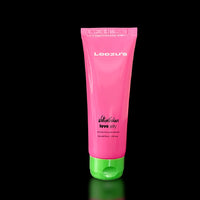
Explore, Leezus self-care merch to make things more interesting and exciting.
Can a Personal Massager Help If You Cannot Orgasm?
A personal massager may be a useful sexual wellness tool for someone who wants to explore external stimulation. It cannot diagnose or treat anorgasmia, and there is no guarantee that any device will produce an orgasm. Its value is that it can provide another way to experiment with sensation and discover personal preferences.
Pyaari by Leezu’s
Pyaari is designed around two forms of external stimulation: suction and vibration. According to Leezu’s product information, it is made from body-safe silicone and offers five suction modes and ten vibration modes. It is also rechargeable, washable, and shower-friendly, although the manufacturer advises against leaving it submerged in water.
The adjustable settings can make it possible to experiment rather than immediately searching for one perfect intensity. The product also comes with a charging cable and storage pouch, and Leezu’s states that it has a 100-day warranty against manufacturing defects.
Leeza Mangaldas, the founder of Leezu’s, has built the brand around open, judgment-free conversations about sexuality and pleasure. That educational positioning is useful in a topic where many people feel embarrassed about asking basic questions.
Also, explore what is pyaari and why is it india's best personal massager for a better pleasure and intimate experience.
How to Explore Pleasure When You Cannot Orgasm
Take Orgasm Off the Checklist
Removing the pressure to “perform” can change the experience. Instead of measuring intimacy by whether you climax, pay attention to comfort, arousal, curiosity, and the sensations you enjoy.
Give Yourself Time
Learning what your body likes may take experimentation. Slow down and notice which sensations feel pleasant, neutral, or uncomfortable.
Experiment With Stimulation
Different forms of external stimulation may feel very different. If you use a personal massager, start gently and adjust gradually. Pyaari, for example, allows users to explore different suction and vibration settings rather than relying on one fixed pattern.
Use Lubricant When Appropriate
Lubrication can reduce friction and improve comfort. Choose a lubricant that is compatible with your device and follow the manufacturer's care instructions. Leezu’s recommends lubrication with Pyaari and provides cleaning guidance on its product page.
Prioritise Comfort and Consent
Pleasure should feel comfortable and voluntary. Stop if something hurts, causes irritation, or simply does not feel right. If you are using a device with a partner, communicate about comfort, boundaries and preferences.
Explore our products for couples to enhance your shared experience.
When Should You Talk to a Healthcare Professional?
If you cannot orgasm consistently and the experience is distressing, speaking with a doctor or qualified sexual-health professional can be worthwhile. Professional guidance is especially important if the change is sudden, follows a medication change, occurs alongside pain, or comes with other physical or emotional symptoms.
A clinician can review medications, health conditions, hormonal factors, and other possible contributors. Depending on the situation, they may also recommend counselling, pelvic-floor care, or other appropriate support.
Explore our other wellness products for him to discover more ways to enhance pleasure and well-being.
Cannot Orgasm? Start by Understanding Your Body, Not Blaming It
If orgasm feels out of reach, the answer is rarely as simple as finding the “right” trick. Your sexual response can be shaped by your mind, body, relationships, medication, hormones, and the type of stimulation you receive.
Curiosity is often a better starting point than frustration. Learn what feels good, communicate your preferences, remove unnecessary pressure, and seek professional advice when something feels persistent or concerning.
Leeza Mangaldas has consistently advocated for more informed, judgment-free conversations around sexuality. Pyaari can be one optional tool for exploring external stimulation, but it is not a treatment for anorgasmia.
Also, explore our other wellness products for her to enhance your pleasure and well-being.
Explore Pyaari by Leezu’s
Your pleasure does not have to follow someone else’s script. If you are curious about exploring external stimulation, Pyaari by Leezu’s combines suction and vibration with multiple settings in a compact, rechargeable design. It can be one more way to learn what your body enjoys, at your own pace.
Ready to explore? Discover Pyaari and explore Leezu’s range of sexual wellness products.
Frequently Asked Questions
Q1. How can I improve my chances of reaching orgasm?
Start by reducing pressure, learning what types of stimulation feel pleasurable, allowing enough time for arousal, and communicating your preferences. If difficulty is persistent or distressing, consider speaking with a healthcare professional.
Q2. Can stress cause me to be unable to orgasm?
Yes. Stress and anxiety can affect attention, arousal, and relaxation, which may make orgasm more difficult. Managing stress and taking pressure off the outcome may help, although persistent problems can have other causes too.
Q3. Is it normal if I cannot orgasm during sex?
It can happen, and it does not automatically indicate a medical problem. Some people orgasm more easily alone or with specific types of stimulation. If the experience is persistent and distressing, professional guidance can help.
Q4. Will a personal massager make me orgasm?
No device can guarantee an orgasm. A personal massager can provide another form of stimulation and may help you explore what feels pleasurable, but individual responses vary.
Q5. What is anorgasmia?
Anorgasmia refers to persistent difficulty or inability to experience orgasm. It can have physical, psychological, medication-related, or situational contributors. A healthcare professional can assess persistent symptoms, particularly when they cause distress.
Q6. Why can I orgasm alone but not with my partner?
Solo sex often gives you greater control over stimulation, timing, and pressure. Partnered sex may feel different because of technique, communication, expectations, or distractions. Sharing what feels good can make partnered intimacy more personalised.
Q7. How can Pyaari help with sexual exploration?
Pyaari combines suction and vibration and offers multiple settings for external stimulation. It can be used as a sexual wellness tool to explore different sensations, but it should not be considered a treatment or guaranteed solution for anorgasmia.
Q8. Is difficulty reaching orgasm a reason to see a doctor?
Yes, especially if the problem is persistent, distressing, sudden, or accompanied by pain or other symptoms. A healthcare professional can help identify possible medication, hormonal, physical, or psychological factors.