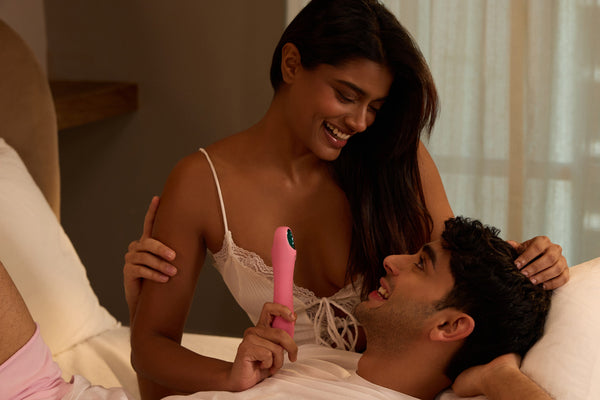
Dilruba
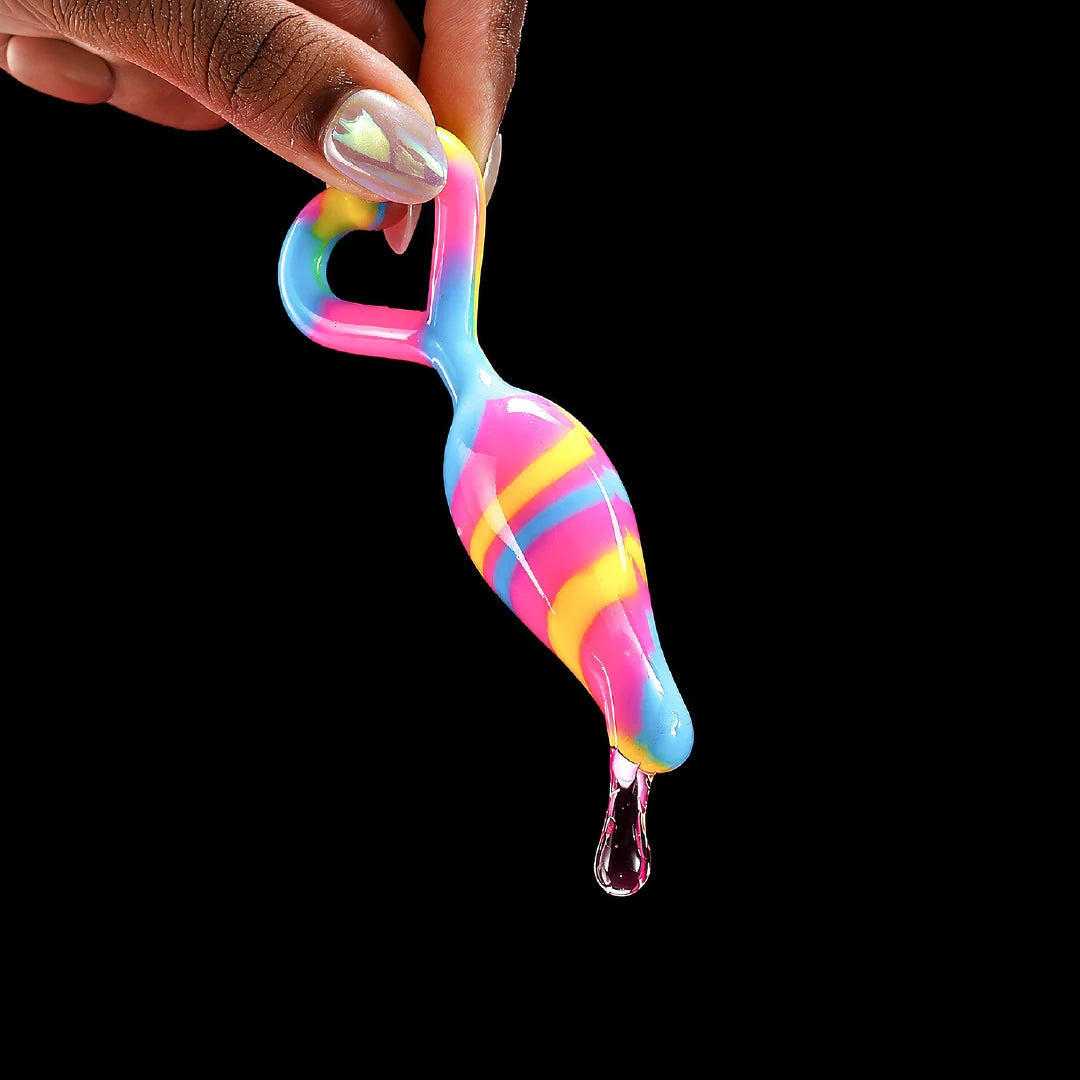 Leezu's Plug
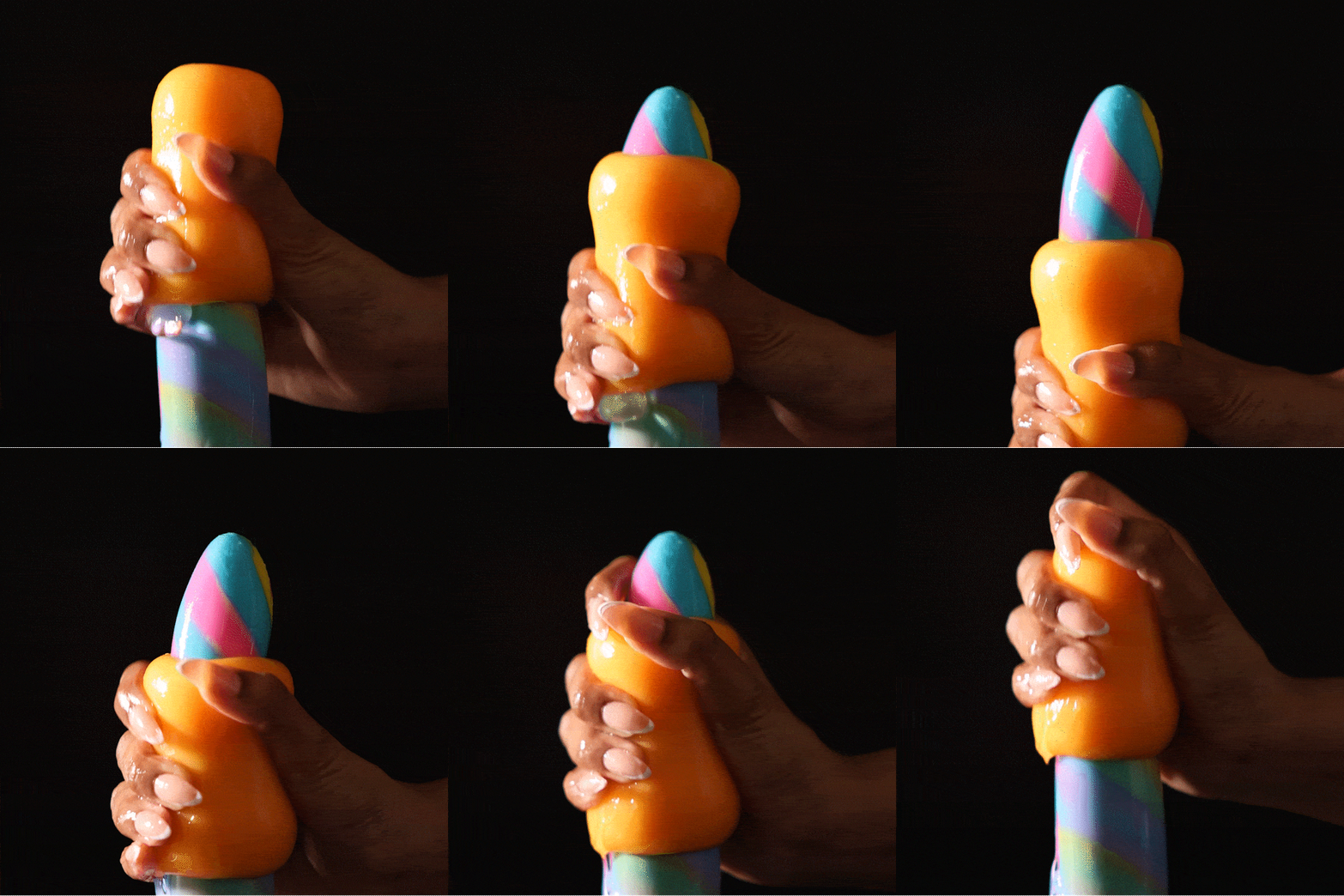 Khiladi
 Zubaan
 Peaché
 Dilbar
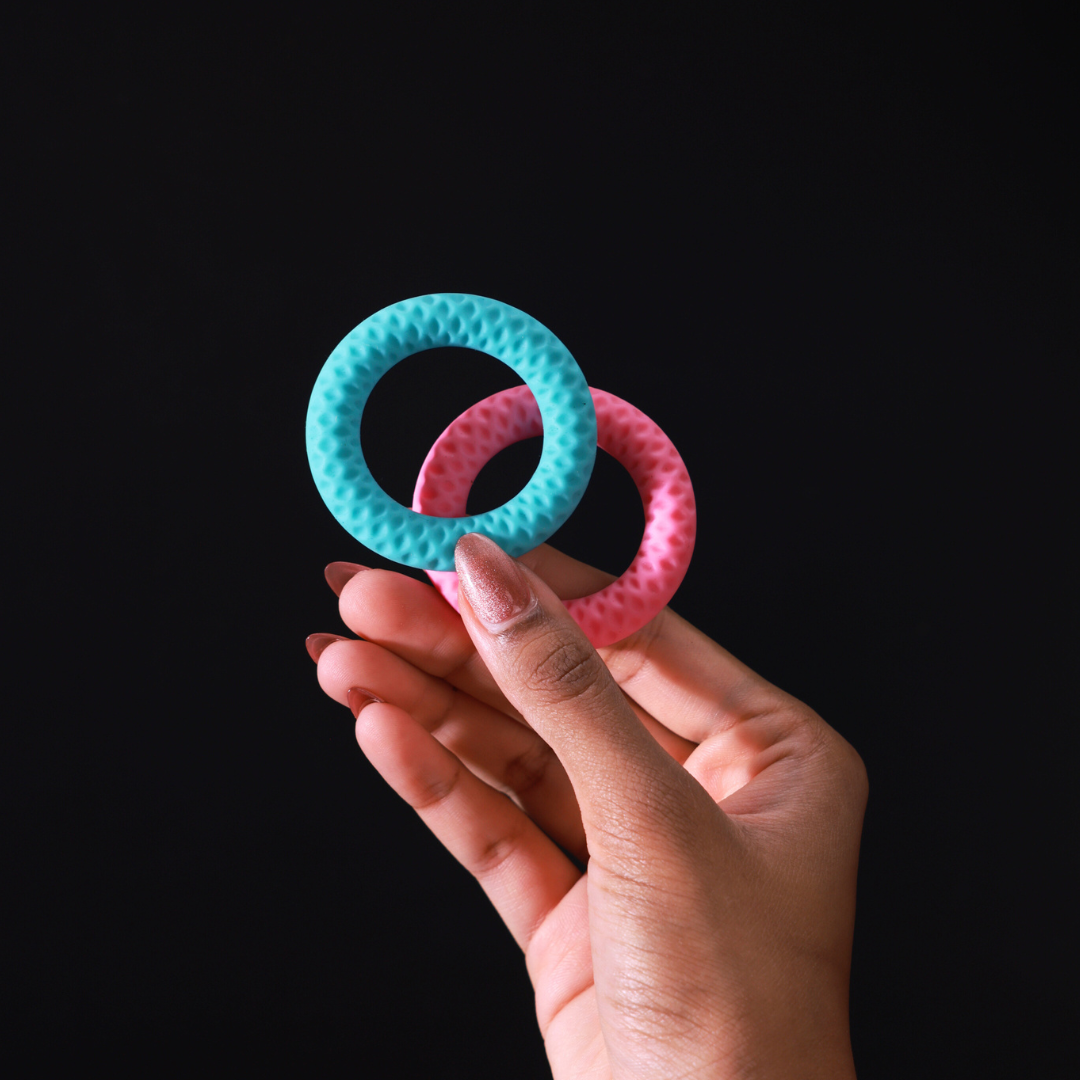 Power Rings
 Jaaneman
 Sultaan
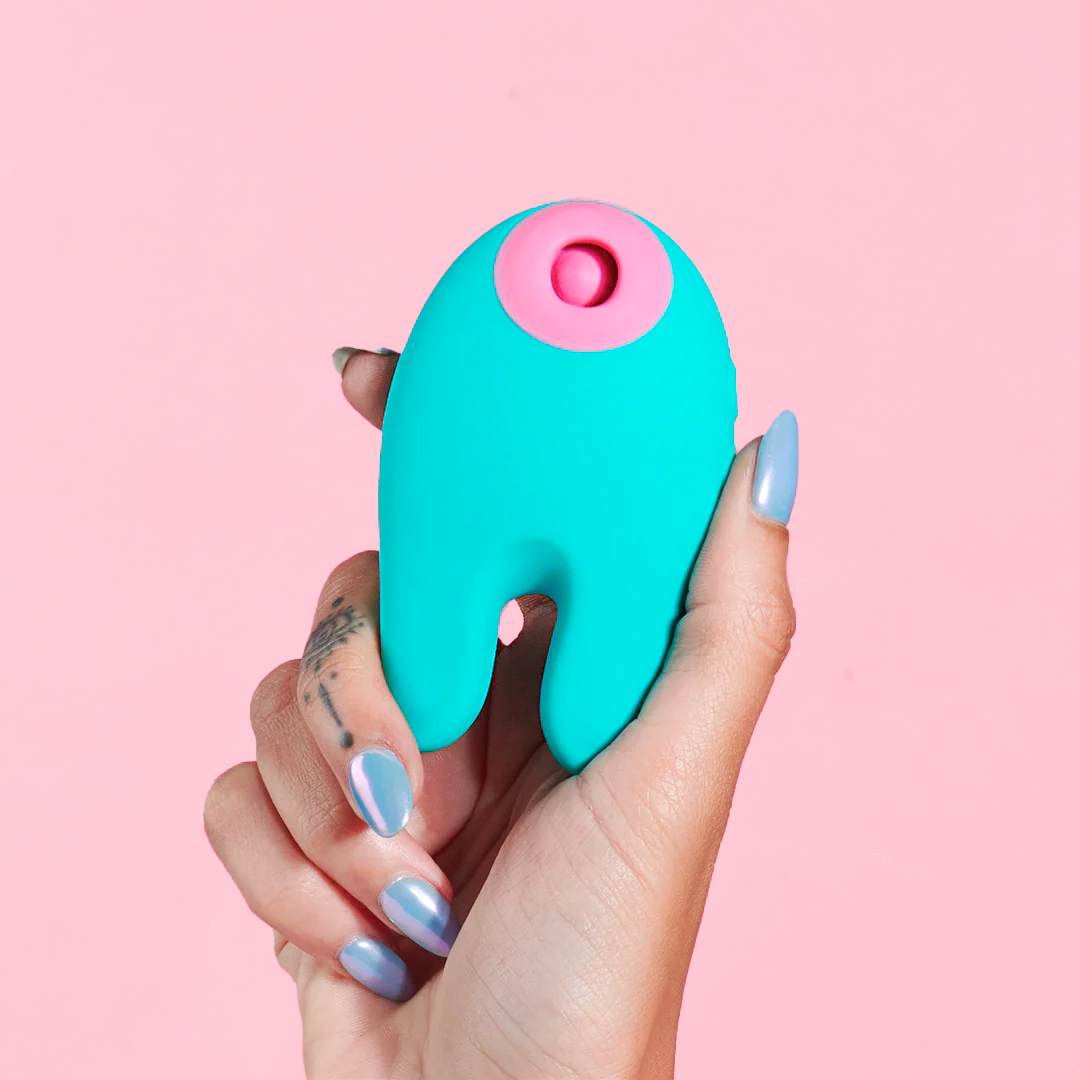 Pyaari
 Toofaan Intense
 Lipstick
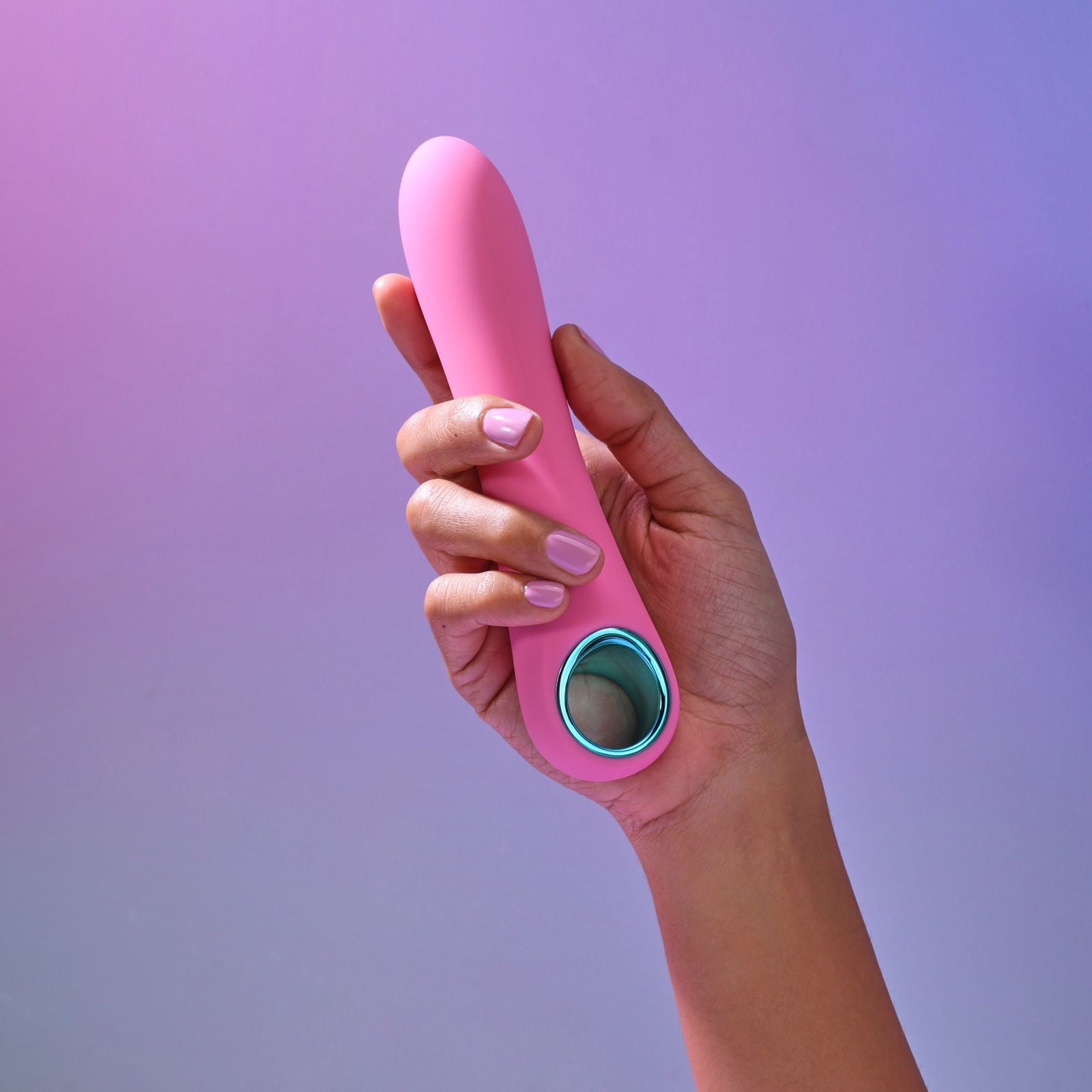 Jaadugar
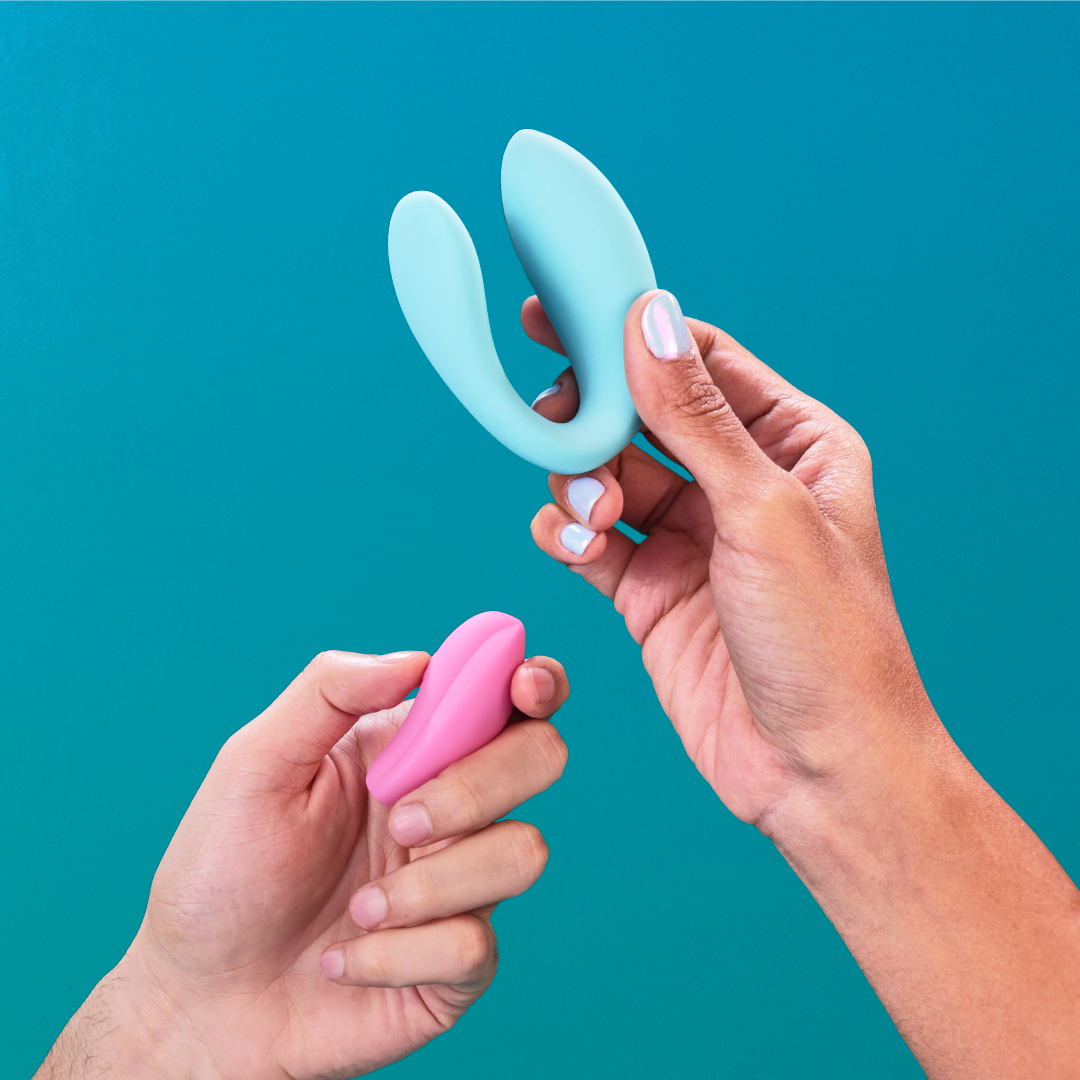 Natkhat
 FAQs
FAQs
 Track Your Order
 About Us


The orgasm gap describes the difference in orgasm frequency between men and women, especially during heterosexual partnered sex. In India, research is still limited, but evidence points to the importance of communication, clitoral stimulation, adequate arousal time, sex education, and a broader understanding of mutual pleasure.
The orgasm gap in India deserves better data and more honest conversations about women’s pleasure. Indian research remains limited, so global findings should never be presented as national statistics. Still, the available evidence raises an important question: what could change when pleasure becomes part of the conversation? Leezu’s For Her Collection offers tools for exploration.
Understanding the Pleasure Difference
The term describes a difference in reported orgasm frequency between men and women, especially in heterosexual sex.
A widely cited U.S. study of more than 52,000 adults found that 95% of heterosexual men and 65% of heterosexual women usually or always reached orgasm during sexual intimacy. This is an international finding, not an Indian statistic.
Orgasm is also different from sexual satisfaction. A fulfilling experience can include arousal, intimacy, pleasure, and connection without ending in orgasm. The purpose of studying the disparity is not to turn sex into a scoreboard, but to understand why pleasure may be distributed differently.
Explore, Leezus self-care merch to make things more interesting and exciting.
What Does the Data Say About the Orgasm Gap in India?
India needs more representative research; there is no single national figure for how often Indian women orgasm during sex.
There are useful pieces of Indian evidence. A 2020 study led by researchers based in Karnataka examined time to orgasm among women in monogamous heterosexual relationships. Its multinational sample included 645 women, with most participants from India, the UK, the Netherlands, and the U.S. The average reported time was 13.41 minutes after adequate arousal; 17% reported never having experienced orgasm. Because this was not a national survey, these are not Indian population estimates.
A 2025 review by psychiatrists from King George’s Medical University in Lucknow described the female orgasm gap as involving both physiological and sociocultural factors. That matters because it moves the discussion beyond the idea that women simply need to “try harder.” Context, expectations, communication, and sexual scripts can all shape sexual experiences.
Another widely circulated claim came from a 2025 Durex podcast episode stating that nearly 70% of Indian women do not experience orgasm during sex. It has entered public conversation, but it should be described as a podcast claim, not definitive national epidemiological evidence. Good sexual-health content distinguishes between a peer-reviewed study, a survey, a media claim, and an anecdote.
Explore, our products for couples to enhance your shared experience.
Why Does the Pleasure Gap Exist?
There is no single explanation. The disparity reflects a combination of anatomy, sexual behaviour, relationship dynamics and culture.
One factor is treating penetration as the central event of sex. For many women, penetration alone is not the most reliable route to orgasm. The clitoris plays a major role in sexual pleasure, and a 2020 multinational study found that penovaginal intercourse was insufficient for orgasm for a majority of participants.
Communication is another important piece. Partners cannot reliably know what feels pleasurable without feedback. Asking, listening, and adjusting can be more useful than relying on assumptions about what “should” work.
Sexual scripts also matter: learned ideas about who initiates sex, whose pleasure matters, and when an encounter should end. If male orgasm becomes the assumed endpoint, female pleasure can become secondary without anyone explicitly choosing that outcome.
Cultural discomfort adds another layer. Limited sex education may leave people learning from pornography, peers, or trial and error. Experiences vary, but education and communication remain important.


Explore our other wellness products for him to discover more ways to enhance pleasure and well-being.
Is the Orgasm Gap Biological, Behavioural or Cultural?
Biology influences sexual response, while behaviour, stimulation, emotional safety, time, communication and cultural expectations also matter.
Research by Wetzel and Sanchez offers a useful perspective. Their work suggests that women may adjust how strongly they pursue orgasm depending on cues about a sexual encounter, including whether it seems rushed and whether the partner appears attentive or selfish. In other words, context can influence whether orgasm feels feasible or worth pursuing.
The better question is: does the encounter provide enough time, comfort, and freedom to communicate?
Explore, what is pyari and why is it india's best personal massager for better pleasure and intimate experience.
How Can Couples Improve Mutual Pleasure?
Reducing the orgasm gap does not mean turning every encounter into a goal-driven exercise. Pressure can make pleasure harder to access; mutual pleasure is a better focus.
- Start with communication. Simple questions such as “Do you like this?” or “Would you like more of that?” create room for honest feedback.
- Broaden the definition of sex. Kissing, touching, oral sex, manual stimulation, toys and other forms of intimacy can all be part of a satisfying experience. There is no requirement that penetration must be the main event.
- Give arousal time. The Indian-linked research on orgasm timing is a useful reminder that partners may not follow the same timetable.
- Explore rather than perform. Self-exploration can help a person understand what kinds of touch, pressure or stimulation feel pleasurable. That knowledge can make conversations with a partner easier.
Orgasm is not proof that sex was successful; pleasure, comfort, consent and connection matter too.
Also, explore how to use lubs for better smooth and intimate experience.
Can Sexual-Wellness Products Help?
Sexual-wellness products can support exploration, but they are not guaranteed solutions. They can help people understand preferences and communicate them.
Leezu’s For Her Collection includes several personal massagers and lubricants. Pyaari combines suction and vibration; Lipstick is a discreet bullet massager; Bijlee is a compact external wand; Jaadugar and Mini Jaadugar offer wand-style vibration; and Zubaan is designed around tongue-flicker stimulation. It also includes water-based lubricants and bundles.
Use products because they add to the experience, not because orgasm is an obligation.
Leeza Mangaldas has helped bring candid conversations about sex and relationships into mainstream Indian culture. Her work is relevant to this discussion because changing the conversation is part of making sexual wellness easier to understand without shame.
Also, explore personal body massager how to use for better pleasure and intense experience.
What the Orgasm Gap Does, and Does Not, Tell Us
Statistics reveal patterns, not every woman or relationship. Someone can enjoy satisfying sex without orgasm, while another person can orgasm frequently yet feel disconnected. Sexual response can also change with stress, medication, hormones, health, age, and relationship dynamics.
The better question is: “How do we create sexual experiences where everyone’s pleasure is taken seriously?”
In India, better conversations can replace myths with practical knowledge and give women more space to understand their bodies and communicate preferences.
The Future of Female Sexual Wellness in India
India needs more research on sexual satisfaction and orgasm frequency, alongside sex education covering anatomy, consent, communication and healthy relationships.
Leeza Mangaldas has helped make conversations about sexuality more open, curious and evidence-led.
Explore Pleasure, Your Way
Understanding pleasure starts with curiosity, communication and good information. Explore Leezu’s For Her Collection for personal massagers, lubricants and pleasure-focused options designed for exploration.
Explore, Leezu’s For Her Collection and make pleasure part of the conversation.
Frequently Asked Questions
Q1. How can couples reduce the pleasure gap?
Communicate openly, allow time for arousal, explore different stimulation, and treat both partners’ pleasure as important.
Q2. Can clitoral stimulation help women orgasm?
Yes. For many women, clitoral stimulation is important for orgasm. Preferences vary, so communication and individual exploration are better than assuming one technique works for everyone.
Q3. Is penetration enough for women to orgasm?
Not necessarily. Research shows that many women do not consistently orgasm from penetration alone; additional stimulation may be important.
Q4. Will using a vibrator guarantee an orgasm?
No. A vibrator is a tool, not a guarantee. It can offer another type of stimulation, but orgasm depends on individual physiology, arousal, comfort, and context.
Q5. What is the pleasure gap in simple terms?
It is a population-level difference in orgasm frequency reported by men and women, particularly during heterosexual sexual encounters. It does not label an individual relationship.
Q6. Why does the orgasm gap matter?
It highlights differences in whose pleasure is prioritised and can encourage better communication, inclusive sex education, and mutually pleasurable intimacy.
Q7. How does communication affect female pleasure?
Open communication lets partners learn preferences instead of guessing. Discussing pace and comfort makes intimacy more responsive.
Q8. Can sexual wellness products support exploration?
Yes. Massagers and lubricants can offer additional ways to explore sensations and preferences. They are optional pleasure tools, not treatments.