 Leezu's Plug
 Khiladi
 Zubaan
 Peaché
 Dilbar
 Power Rings
 Jaaneman
 Sultaan
 Pyaari
 Toofaan Intense
 Lipstick
 Jaadugar
 Natkhat
 FAQs
FAQs
 Track Your Order
 About Us


Low libido in women can be linked to hormonal changes, stress, poor sleep, medications, relationship concerns, pain, vaginal dryness, or underlying health conditions. Improving sexual desire starts with identifying the cause, addressing physical and emotional wellbeing, and creating comfortable, pressure-free opportunities for intimacy and pleasure.
Low libido women experience is often influenced by more than hormones alone. Stress, fatigue, menopause, medications, emotional wellbeing, relationships, and physical discomfort can all affect sexual desire. Understanding the underlying reason is the first step toward meaningful change. Leezu’s believes sexual wellness should be explored without shame or pressure, and sometimes, the journey starts simply by becoming curious about what feels good.
What Is Low Libido in Women?
Low libido in women means having less interest in sexual activity or sexual thoughts than feels usual or desirable for you. There is no universal level of sexual desire that every woman should have. Libido naturally changes throughout life, and a temporary dip does not necessarily indicate a problem.
The important question is whether the change is persistent, unexpected, or causing personal distress.
Sexual desire can also fluctuate with life circumstances. A demanding work schedule, caring for children, relationship changes, poor sleep, or simply feeling mentally exhausted can influence how interested someone feels in intimacy.
For some women, the change may be physical. For others, it may be emotional or relational. Often, several factors overlap.
What Causes Low Libido in Women?
There is rarely one universal explanation for low sexual desire. Understanding the possible causes can make the experience feel less confusing and help you identify where support may be useful.
Hormonal Changes
Estrogen and other reproductive hormones influence several aspects of sexual wellbeing. Hormonal fluctuations during perimenopause, menopause, pregnancy, and the postpartum period can affect desire, arousal, and physical comfort.
Lower estrogen levels can also contribute to vaginal dryness or discomfort, which may make intimacy less appealing.
Stress, Anxiety and Mental Health
Your brain plays a significant role in sexual desire. Ongoing stress, anxiety, depression, and emotional exhaustion can make it difficult to feel present or interested in intimacy.
When your mind is constantly occupied with deadlines, responsibilities or worries, desire can naturally take a back seat.
Poor Sleep and Fatigue
Being physically exhausted can make intimacy feel like another task rather than something enjoyable. Sleep deprivation may affect mood, energy and overall wellbeing, all of which can influence sexual interest.
Prioritising restorative sleep can therefore be an important part of supporting a healthy sex life.
Medications and Health Conditions
Certain medications, including some antidepressants, may affect sexual desire. Health conditions such as thyroid disorders, diabetes and other chronic illnesses can also influence sexual wellbeing.
If you notice a significant change after starting a medication, speak with your healthcare provider rather than stopping it independently.
Relationship and Emotional Factors
Desire is closely connected to how safe, relaxed, and emotionally connected you feel. Relationship conflict, poor communication, unresolved resentment, lack of privacy, or feeling disconnected from a partner may affect sexual interest.
This does not mean every change in desire is a relationship problem. It simply means emotional context deserves consideration alongside physical factors.
Pain or Vaginal Discomfort
Sexual desire can naturally decrease when intimacy is associated with discomfort. Vaginal dryness, pelvic discomfort, or painful intercourse can create anxiety around sex and make someone less likely to seek intimacy.
Addressing the discomfort itself may therefore be an important part of restoring a more positive relationship with intimacy.
Explore, how to use lube for better smoothness and more pleasure.
Can Hormonal Changes Cause Low Libido?
Yes, hormonal changes can influence sexual desire, particularly during major life transitions such as perimenopause and menopause.
However, hormones are only one piece of the picture. A woman experiencing reduced desire may also be dealing with stress, sleep disruption, relationship changes, or physical discomfort at the same time.
If symptoms appear suddenly, persist, or significantly affect quality of life, discussing them with a qualified healthcare professional can help identify possible causes.
Explore, how to use a vibrator for better pleasure and intimate experience.
How Can Stress Affect Sexual Desire?
Stress can affect sexual interest by keeping your mind focused on survival, responsibilities, and immediate concerns rather than pleasure and connection.
For some women, reducing stress can involve simple but meaningful changes:


- Getting adequate sleep
- Taking regular breaks
- Exercising
- Practising relaxation techniques
- Creating uninterrupted personal time
- Communicating emotional needs
- Reducing pressure around intimacy
Sexual desire does not always respond well to being treated as another item on a to-do list. Sometimes, creating space for rest and connection is more helpful than trying to force desire.
Explore, best vibrator for women india for better pleasure.
What Actually Helps Low Libido in Women?
There is no single solution that works for everyone. The most useful approach is to identify what may be influencing desire and address that factor rather than searching for a universal “libido booster.”
Address the Underlying Cause
If a medication, medical condition, hormonal change, or persistent physical symptom may be contributing, professional guidance can help.
A healthcare provider may review your health history, medications, and symptoms and decide whether further assessment is appropriate.
Improve Sleep and Manage Stress
Small lifestyle changes can support overall sexual wellbeing. Regular movement, adequate sleep, relaxation and time away from constant responsibilities may help you feel more physically and mentally available for intimacy.
Communicate With Your Partner
Honest communication can remove some of the pressure surrounding sex. Talk about what feels comfortable, what you enjoy, and what you would like to explore.
Intimacy does not always need to begin with intercourse. Affection, kissing, massage, touching, and simply spending uninterrupted time together can help couples reconnect.
Explore Pleasure Without Pressure
For some women, rediscovering pleasure begins with curiosity rather than performance. Understanding what types of touch or stimulation feel enjoyable can make it easier to communicate preferences with a partner.
Sexual wellness products can be one optional part of that exploration. They do not treat the medical causes of low libido, but they may help some women explore personal pleasure and intimacy in a more comfortable, pressure-free way.
Can Sexual Wellness Products Support Intimacy?
Sexual wellness products are not medical treatments for low libido. However, they can provide another way to explore sensation, pleasure, and personal preferences.
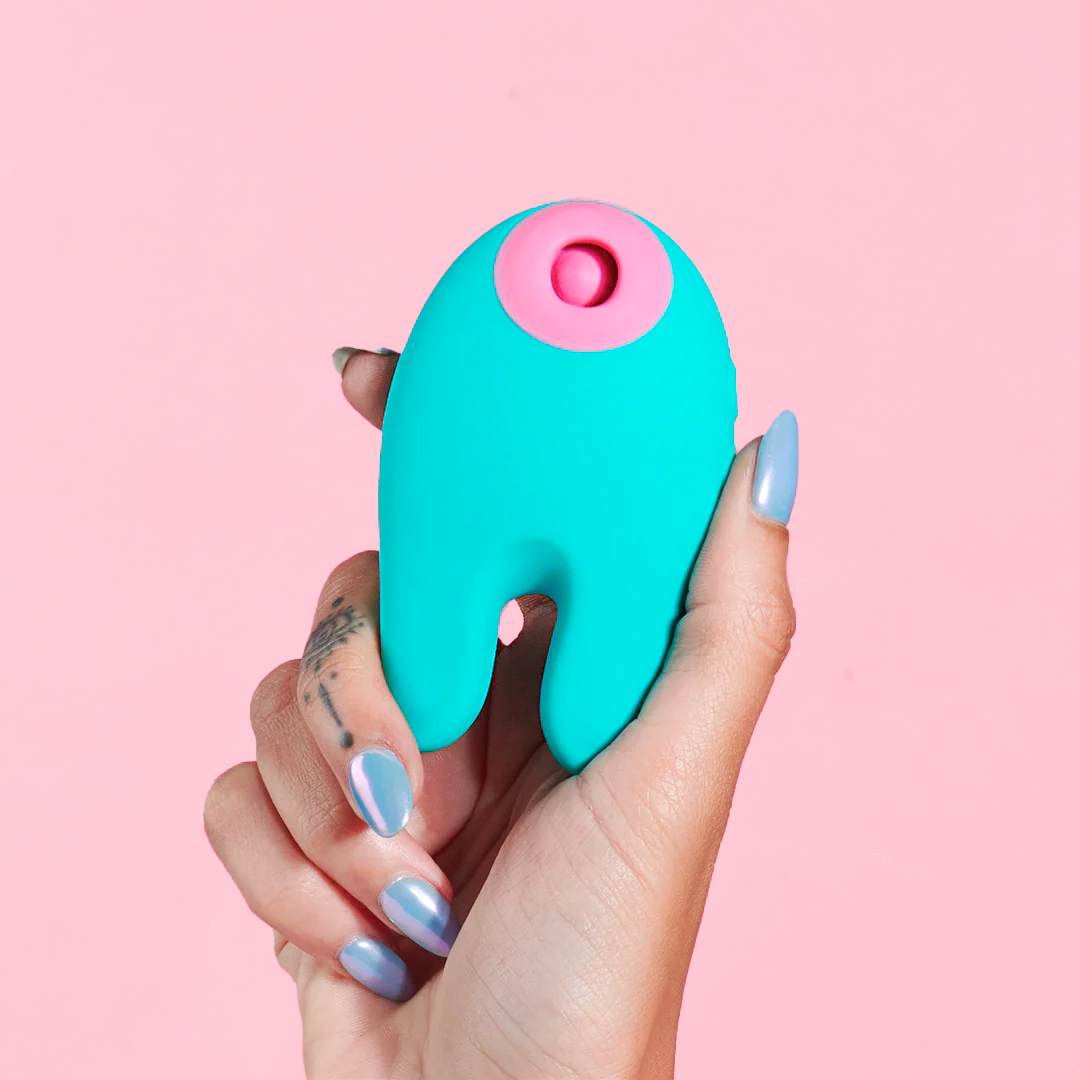
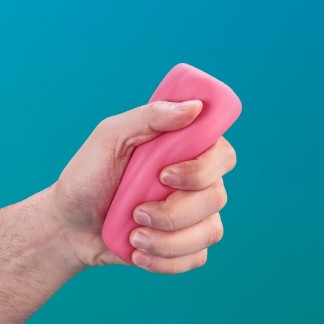
Leezu offers several options designed for different approaches to sexual exploration. Pyaari combines suction and vibration, while Lipstick is a discreet bullet massager. These can be considered by women who prefer external stimulation.
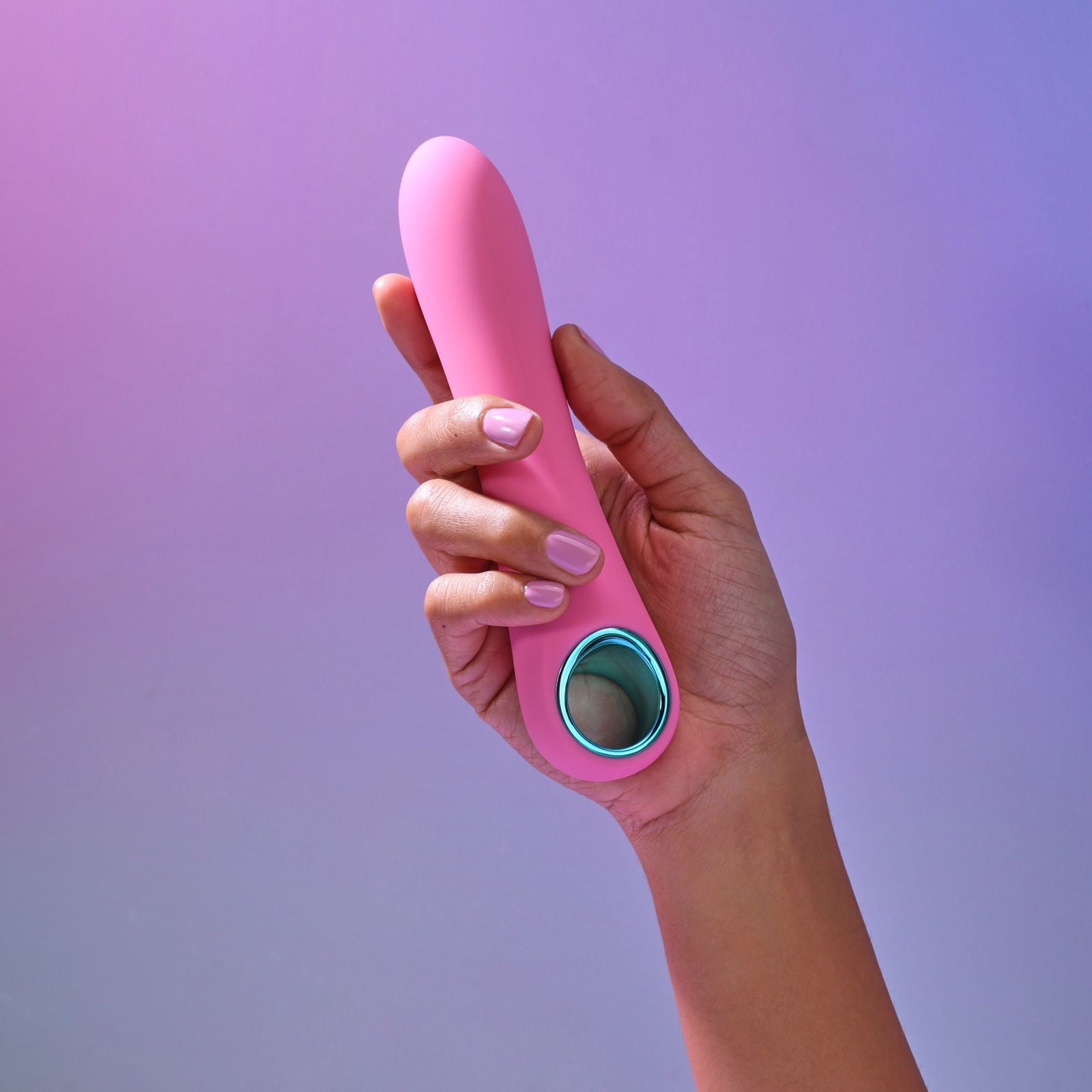
For women interested in internal stimulation, Jaadugar is a long, slender vibrating internal wand, while Mini Jaadugar is a smaller internal wand option. Choosing any intimate product should be based on personal comfort, preferences, and appropriate use.
For lubrication and reducing friction, Water-based Love Jelly and Watermelon Love Jelly are water-based lubricant options listed in Leezu’s For Her collection.
Leeza Mangaldas has consistently helped bring conversations around sexual wellness into a more open, approachable space. That matters because understanding your body and preferences can be an important part of feeling more confident about intimacy.
How Can Couples Rebuild Intimacy?
When sexual desire changes, couples can sometimes become focused on “fixing” the problem. Removing that pressure may actually create more room for connection.
Start with honest conversations. Talk about expectations, preferences, and boundaries without making either person responsible for producing desire.
You can also create intimacy without setting a specific sexual goal. Try spending uninterrupted time together, sharing affection or exploring different forms of touch.
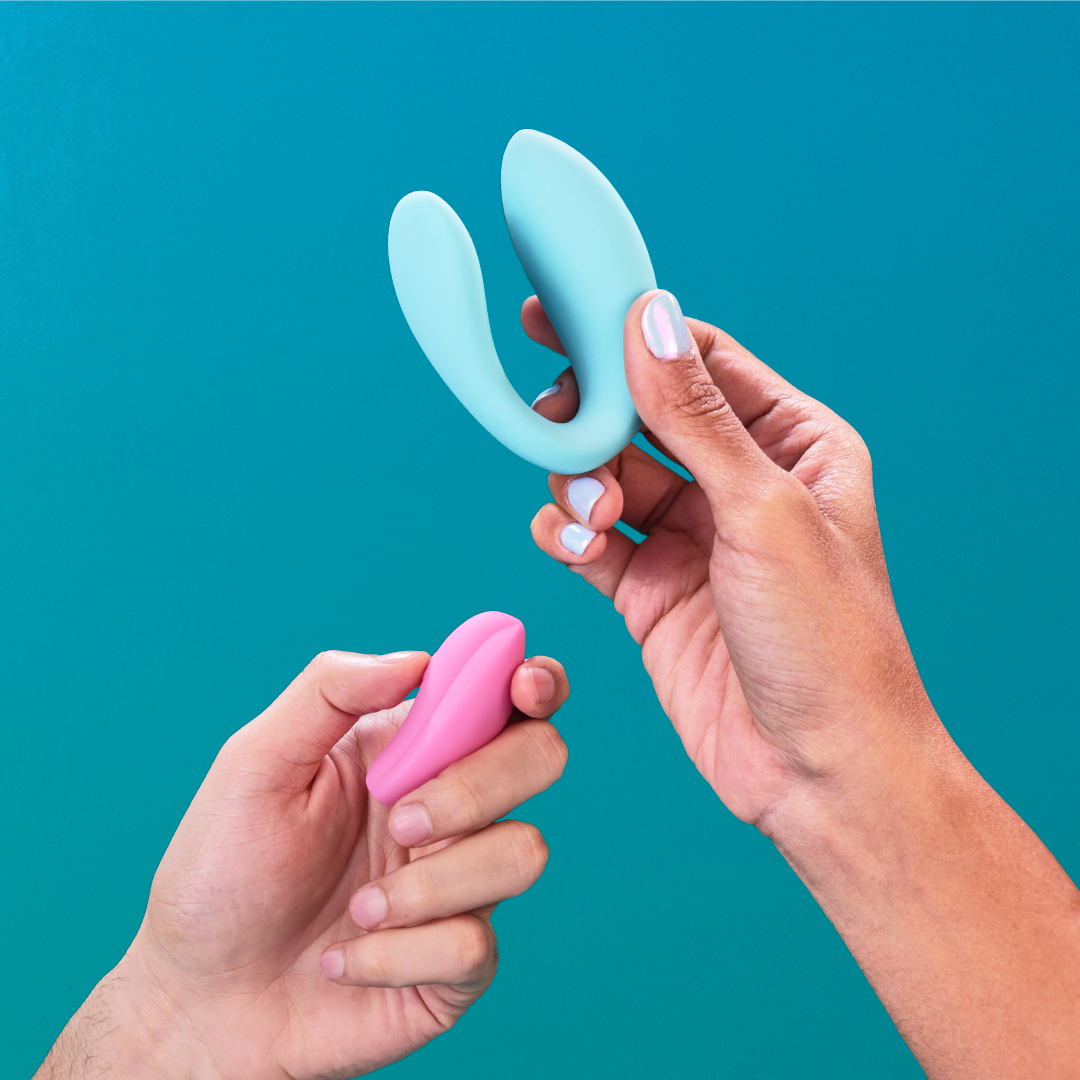
For some couples, introducing sexual wellness products can make exploration more playful and collaborative. Dream Team for Her, which combines Pyaari with Love Jelly, and I Believe in Magic, which pairs Jaadugar with Water Based Love Jelly, are examples of Leezu’s bundled options listed in the current For Her collection.
The goal should be connection and mutual enjoyment, not meeting an arbitrary standard of how often you “should” want sex.
Explore, Leezus self-care merch to make things more interesting and exciting.
What Lifestyle Changes May Support Sexual Wellbeing?
A healthy sex drive is connected to overall wellbeing. While lifestyle changes cannot guarantee an increase in desire, they can create conditions that support physical and emotional health.
Focus on:
- Getting consistent, restorative sleep
- Staying physically active
- Eating a balanced diet
- Managing ongoing stress
- Making time for yourself
- Addressing physical discomfort
- Nurturing emotional connection
- Communicating openly about intimacy
If you have persistent symptoms, lifestyle changes should complement, not replace- appropriate medical care.
Explore, our products for couples to enhance your shared experience.
When Should You See a Doctor About Low Libido?
You may benefit from professional advice if a change in sexual desire persists, causes distress, or affects your relationship or quality of life.
It is particularly worth discussing with a healthcare professional if reduced desire occurs alongside painful sex, vaginal dryness, significant hormonal symptoms, mood changes or other unexplained physical symptoms.
A professional can help determine whether medications, hormones, mental health, an underlying medical condition, or several factors may be involved.
Remember that seeking help does not mean something is wrong with you. Sexual health is part of overall health, and asking questions is a valid form of self-care.
Explore, our other wellness products for him to discover more ways to enhance pleasure and well-being.
Explore Pleasure on Your Own Terms With Leezu’s
There is no single definition of a “normal” sex drive. Your desire can change with your body, emotions, relationships, and circumstances, and understanding those changes is more useful than judging yourself for them.
If you want to explore intimacy with greater curiosity and less pressure, Leezu’s For Her range includes options such as Pyaari, Lipstick, Jaadugar, Mini Jaadugar, Water-based Love Jelly and Watermelon Love Jelly, alongside other intimate wellness products.
Leeza Mangaldas and Leezu’s aim to make conversations around pleasure and sexual wellness feel more open, informed, and approachable. When you are ready, explore Leezu’s products and discover what feels right for you, at your own pace.
Also, explore our other wellness products for her to enhance your pleasure and well-being.
Frequently Asked Questions
Q1. How can I improve low libido in women naturally?
Focus on sleep, stress management, exercise, emotional wellbeing, and relationship communication. If the change persists, consider discussing possible medical, hormonal, or medication-related causes with a healthcare professional.
Q2. Can stress cause low libido in women?
Yes. Chronic stress can reduce mental energy, affect mood, and make it harder to feel relaxed or interested in intimacy. Managing stress and improving sleep may support healthier sexual wellbeing.
Q3. Is low libido in women normal?
Temporary changes in desire are common and can occur during stress, hormonal transitions, pregnancy, postpartum life or menopause. Persistent or distressing changes deserve attention and may benefit from professional guidance.
Q4. Will menopause affect sexual desire?
Menopause can affect sexual desire for some women. Hormonal changes may also contribute to vaginal dryness or discomfort. However, menopause is not the only possible cause, so individual symptoms and circumstances matter.
Q5. What causes low libido in women?
Common contributors include hormonal changes, stress, fatigue, mental health concerns, medications, health conditions, relationship difficulties, and painful or uncomfortable sex. Several factors may occur together.
Q6. Why does my sex drive suddenly feel lower?
A sudden change can have many possible explanations, including stress, sleep disruption, medication changes, hormonal fluctuations, emotional concerns, or physical symptoms. If the change is unexplained or persistent, professional evaluation can help.
Q7. How can couples support a woman with low libido?
Partners can reduce pressure, communicate openly, respect boundaries, and focus on affection and connection rather than expecting sex to happen. Exploring intimacy together can make the experience more comfortable.
Q8. Can sexual wellness products help with low libido?
They cannot treat underlying medical causes, but sexual wellness products may help some women explore pleasure, stimulation, and intimacy. Products should be chosen according to individual comfort, preferences, and safe-use instructions.