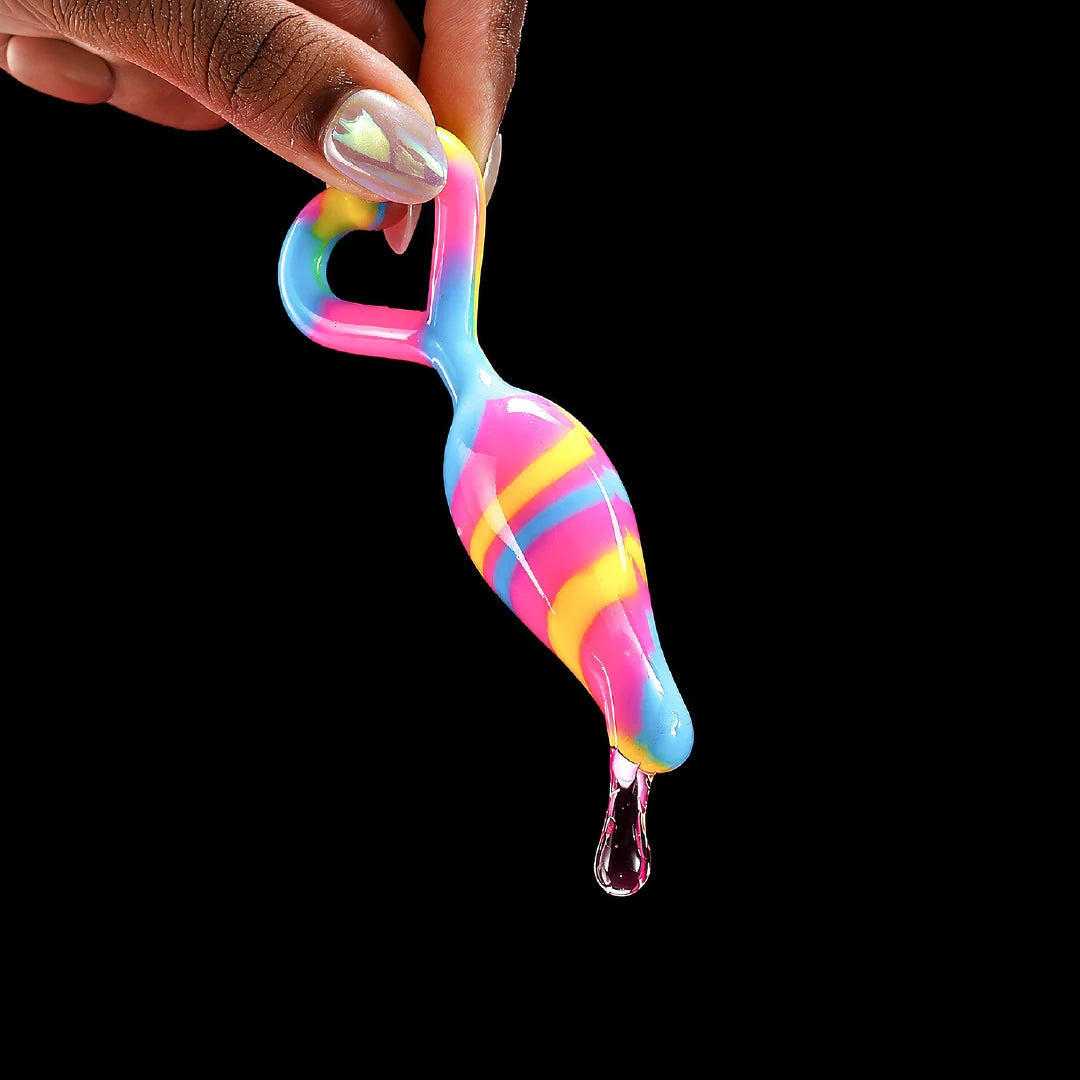
 Leezu's Plug
 Khiladi
 Zubaan
 Peaché
 Dilbar
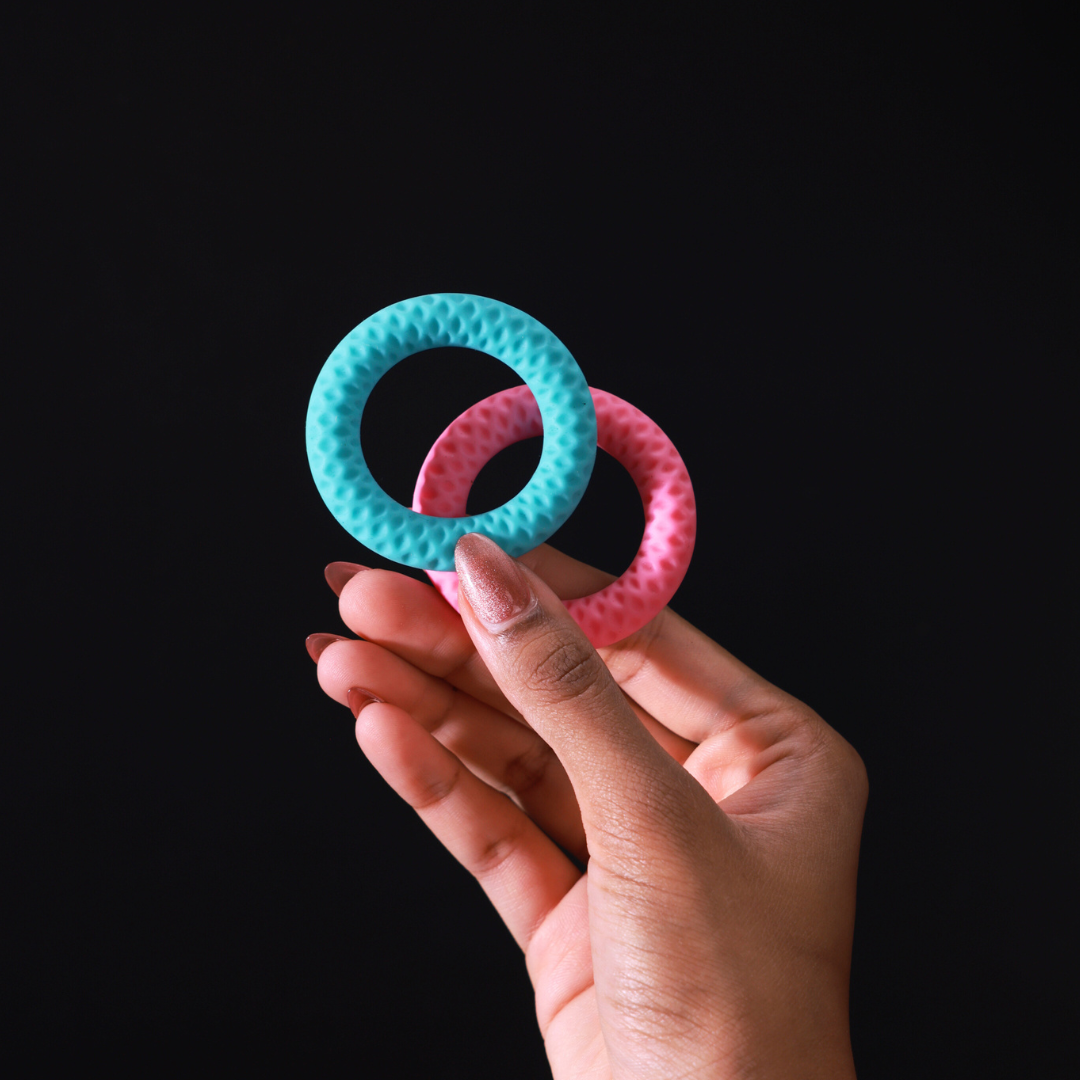 Power Rings
 Jaaneman
 Sultaan
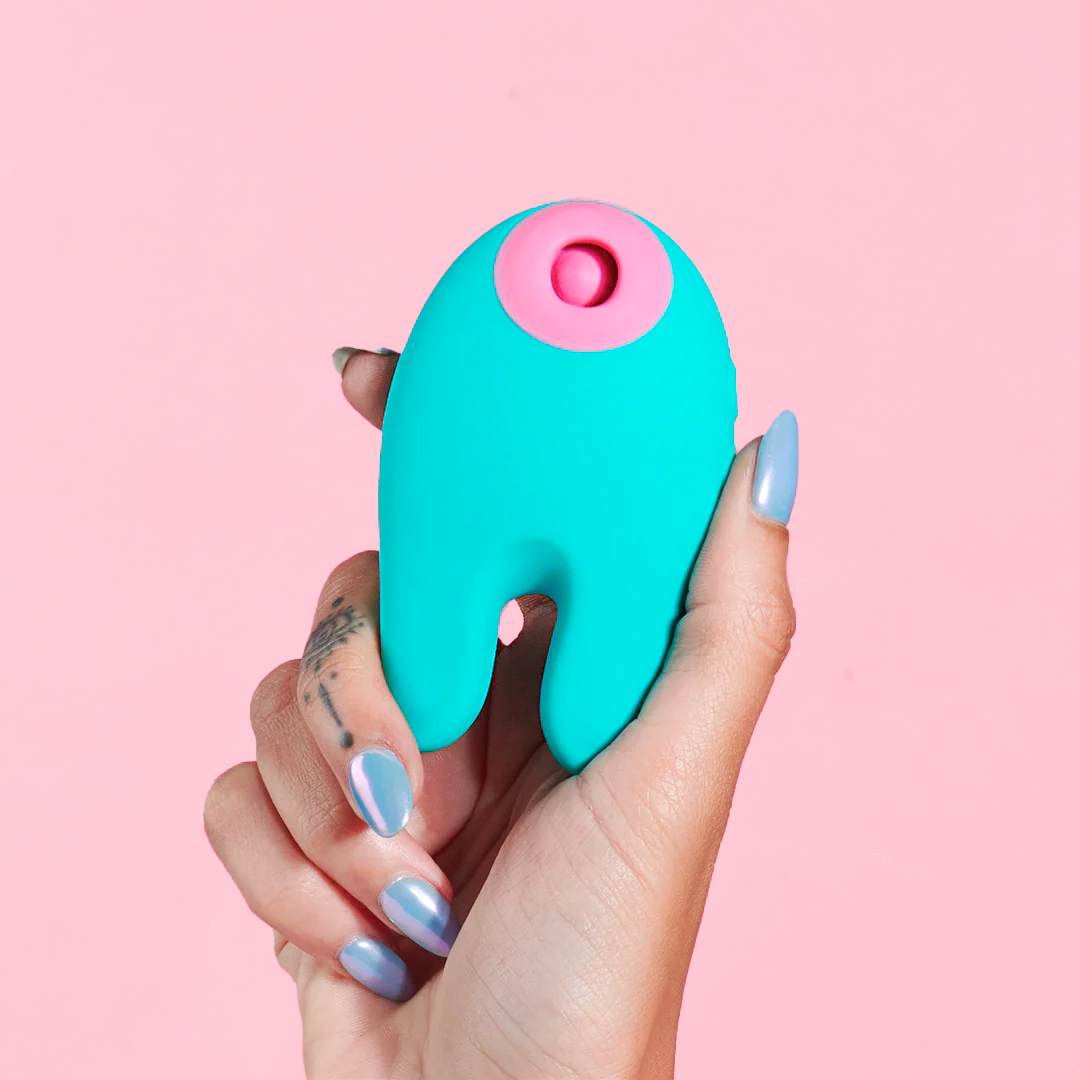 Pyaari
 Toofaan Intense
 Lipstick
 Jaadugar
 Natkhat
 FAQs
FAQs
 Track Your Order
 About Us


Low libido in men can have many causes beyond testosterone, including stress, anxiety, depression, poor sleep, medications, chronic health conditions and relationship concerns. Testosterone may play a role, but understanding the underlying factors is important. Persistent or distressing changes in sexual desire deserve professional evaluation rather than self-diagnosis.
Low libido men experience can be affected by much more than testosterone. Stress, sleep, mental health, medication, physical health, and relationships can all influence sexual desire. Understanding these factors can help you approach intimacy with greater awareness rather than immediately assuming a hormonal problem. And sometimes, the real answer lies somewhere you did not expect.
What Is Low Libido in Men?
Low libido means having less interest in sex than you previously experienced. It may involve fewer sexual thoughts, less interest in masturbation or partnered intimacy, or simply a noticeable reduction in desire.
There is no universal “normal” level of sexual desire. Libido naturally changes throughout life, so a temporary dip does not necessarily indicate a health problem. It becomes more important to explore when the change persists, causes concern, or affects your wellbeing or relationship.
It is also important to understand the difference between libido and erectile function. Erectile dysfunction involves difficulty achieving or maintaining an erection, whereas low libido refers to reduced sexual desire. They can occur independently or together.
Is Low Libido Always Caused by Low Testosterone?
Low testosterone is one possible contributor, but it is not the whole story. Testosterone influences male sexual health, yet desire is also shaped by physical health, emotions, lifestyle, stress and relationships.
For low libido men, assuming testosterone is automatically responsible can mean overlooking other important factors. A healthcare professional may consider your symptoms, medical history, medications, stress levels, relationships, and sexual health before deciding whether hormone testing is appropriate.
When Can Low Testosterone Affect Desire?
Low testosterone may contribute to reduced sexual desire, particularly when it occurs alongside changes such as low energy or fatigue. However, hormone levels should be interpreted by a qualified healthcare professional rather than judged from symptoms alone.
Can You Have Low Libido With Normal Testosterone?
Yes. Low libido men can experience reduced desire even when testosterone is not the underlying issue. Stress, anxiety, depression, fatigue, medication side effects, chronic illness, and relationship difficulties can all play a role. Northwest Family Clinics similarly notes that when testosterone is normal, clinicians may look for other potential causes.
What Causes Low Libido in Men?
The causes of low libido are often interconnected. A stressful period at work can reduce sleep; poor sleep can increase fatigue; fatigue can affect mood; and all of these changes can influence sexual interest.
Stress and Mental Overload
Work pressure, financial worries, family responsibilities, and constant mental stimulation can leave little emotional space for intimacy. When your mind is occupied all day, sexual desire may naturally become less of a priority.
Anxiety and Depression
Anxiety can bring worry, self-consciousness and performance concerns into intimate situations. Depression may reduce motivation, pleasure, and interest more generally.
Some medications used to manage mental health conditions may also affect sexual desire. Never stop or change prescribed medication without discussing it with your healthcare provider.
Poor Sleep and Fatigue
When you are exhausted, intimacy can feel like another responsibility instead of something enjoyable. Persistent sleep problems can also accompany broader health concerns, making them worth discussing with a healthcare professional.
Medications
Certain antidepressants, antipsychotic medicines and blood-pressure medications may affect libido. If you notice a change after beginning or changing medication, speak with your doctor before making any adjustments.
Chronic Health Conditions
Diabetes, heart disease, thyroid problems, chronic pain and other long-term health conditions can influence sexual desire. This is one reason persistent changes should be considered in the context of your overall health rather than viewed as an isolated sexual issue.
Alcohol, Smoking and Lifestyle Factors
Excessive alcohol use, smoking, recreational drugs, very little physical activity or excessive physical training may influence sexual wellbeing. Supporting your overall health through balanced nutrition, movement, sleep and stress management can also support a healthier foundation for intimacy.
Relationship and Emotional Factors
Desire does not exist separately from relationships. Conflict, reduced emotional closeness, communication difficulties, unresolved concerns or performance anxiety can affect sexual interest.
Sometimes, improving communication and creating a relaxed environment for intimacy can be as valuable as addressing physical factors.


Also, explore how to use lub for a better smooth and intimate experience.
How Does Sexual Wellbeing Fit Into Low Libido?
Low libido men may focus so heavily on “fixing” desire that they overlook curiosity, communication and discovering what feels pleasurable.
Sexual wellness is not a medical treatment for low libido. However, for adults, personal exploration can be part of understanding preferences, comfort and intimacy. Solo exploration may help someone become more aware of what they enjoy, while couples may benefit from discussing boundaries, expectations and stimulation openly.
Leezu’s approaches sexual wellness through a judgment-free perspective. Founded by sexual wellness educator Leeza Mangaldas, the brand focuses on helping adults explore pleasure and understand their bodies without shame.
Also, explore best stroker for men india for better pleasure and intimate experience.
How Is Low Libido in Men Evaluated?
If a persistent change in desire is bothering you, a healthcare professional can help identify possible contributors. An evaluation may consider:
- When the change began and how often it occurs
- Medical conditions and current medications
- Sleep, stress and mental wellbeing
- Relationship and sexual concerns
- Changes in energy or mood
- Hormone levels or other tests when clinically appropriate
Cleveland Clinic describes evaluation as a combination of medical, sexual, relationship and emotional history, with testing guided by the suspected cause.
For low libido men, this broader approach matters because the most useful next step depends on what is actually influencing desire.
Explore, massager for men for better intimate experience.
How Can You Support Healthy Sexual Desire?
There is no single routine that works for everyone, but healthy habits can support overall physical and emotional wellbeing:
- Prioritise consistent, restorative sleep.
- Stay physically active without overtraining.
- Eat a varied, balanced diet.
- Find practical ways to manage ongoing stress.
- Limit excessive alcohol and avoid recreational drugs.
- Discuss persistent health concerns with a healthcare professional.
- Communicate openly with your partner about intimacy and expectations.
These habits are not guaranteed treatments. They are foundations for better overall wellbeing, which can influence sexual health and desire.
Also, explore our other wellness products for her to enhance your pleasure and well-being.
When Should Low Libido Men See a Doctor?
Consider professional advice when a change in desire persists, feels significant, affects your relationship or impacts your wellbeing. You should also discuss it with a doctor if other physical, emotional or sexual symptoms occur alongside the change.
A healthcare professional can review your health history, medications, and symptoms and decide whether further evaluation is appropriate. There is no reason to feel embarrassed: changes in sexual desire are common, and discussing them can help identify factors that might otherwise be missed.
Explore, our other wellness products for him to discover more ways to enhance pleasure and well-being.
Exploring Sexual Wellness With Leezu’s
For low libido men, sexual wellness products should be viewed as tools for pleasure and exploration, not as treatments for an underlying medical condition.
Leezu’s For Him collection includes Toofaan, Toofaan Intense, Sultaan, Khiladi, Power Rings and Jaaneman, along with Water-based Love Jelly and Watermelon Love Jelly. The collection also features combinations including The Dream Team for Him, The Sultaan Dream Team, The Intense Dream Team and Double Trouble.
These products can be approached as part of personal exploration, couple intimacy or simply discovering what feels comfortable and enjoyable. Leeza Mangaldas has consistently advocated for informed, open conversations around sexuality, helping make pleasure and sexual wellbeing easier to discuss without shame.
Explore, our products for couples to enhance your shared experience.
Beyond Testosterone: Understanding Your Desire
Low libido men experience can be influenced by much more than a hormone level. Testosterone may matter, but so can sleep, stress, mental health, medications, chronic conditions, relationships and personal sexual experiences.
The most useful approach is not to chase one explanation. Pay attention to changes in your body and life, seek professional guidance when appropriate, and give yourself room to understand what intimacy and pleasure mean to you.
Ready to explore sexual wellness on your own terms? Discover Leezu’s For Him collection and explore Toofaan, Sultaan, Toofaan Intense, Power Rings and Water-based Love Jelly as part of a more open, informed approach to pleasure and intimacy.
Explore, Leezus self-care merch to make things more interesting and exciting.
Frequently Asked Questions
Q1. How can men improve low libido?
Start by considering factors beyond testosterone, including sleep, stress, mental health, medications, physical health and relationships. If reduced desire persists or causes distress, speak with a healthcare professional for personalised evaluation.
Q2. Can stress cause low libido in men?
Yes. Ongoing stress can reduce the mental and emotional space available for sexual desire. Work pressure, anxiety, family responsibilities and fatigue may all contribute to reduced interest in sex.
Q3. Is low libido the same as erectile dysfunction?
No. Low libido means reduced sexual desire, while erectile dysfunction involves difficulty achieving or maintaining an erection. A person can experience one without the other.
Q4. Will low testosterone always cause low libido?
No. Low testosterone can contribute to reduced desire, but libido is influenced by many factors. A man may have normal testosterone while stress, medication, poor sleep or relationship concerns affect his sexual interest.
Q5. What causes low libido besides testosterone?
Common contributors include stress, anxiety, depression, poor sleep, certain medications, chronic health conditions, alcohol use, lifestyle factors and relationship difficulties.
Q6. Why do men lose interest in sex as they get older?
Desire can change with age, but ageing is only one possible factor. Hormonal changes, health conditions, medications, stress, sleep, relationships and emotional wellbeing may all influence sexual interest.
Q7. How is low libido diagnosed?
A healthcare professional may review symptoms, medical history, medications, sexual health, relationships, stress and mental wellbeing. Blood tests or other investigations may be recommended when clinically appropriate.
Q8. Can sexual wellness products treat low libido?
No. Sexual wellness products are not medical treatments for low libido or its underlying causes. They may support personal exploration, pleasure and intimacy when used appropriately and according to product instructions.