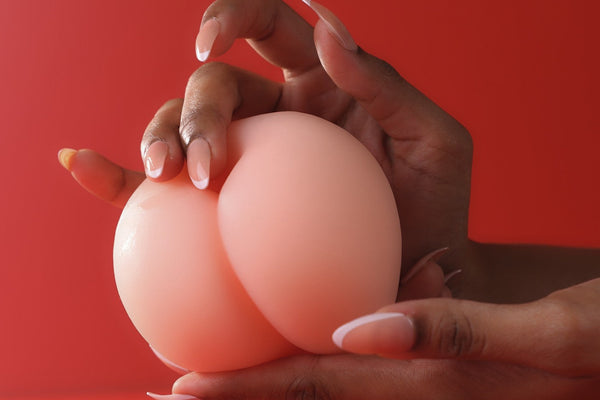
Dilruba
 Leezu's Plug
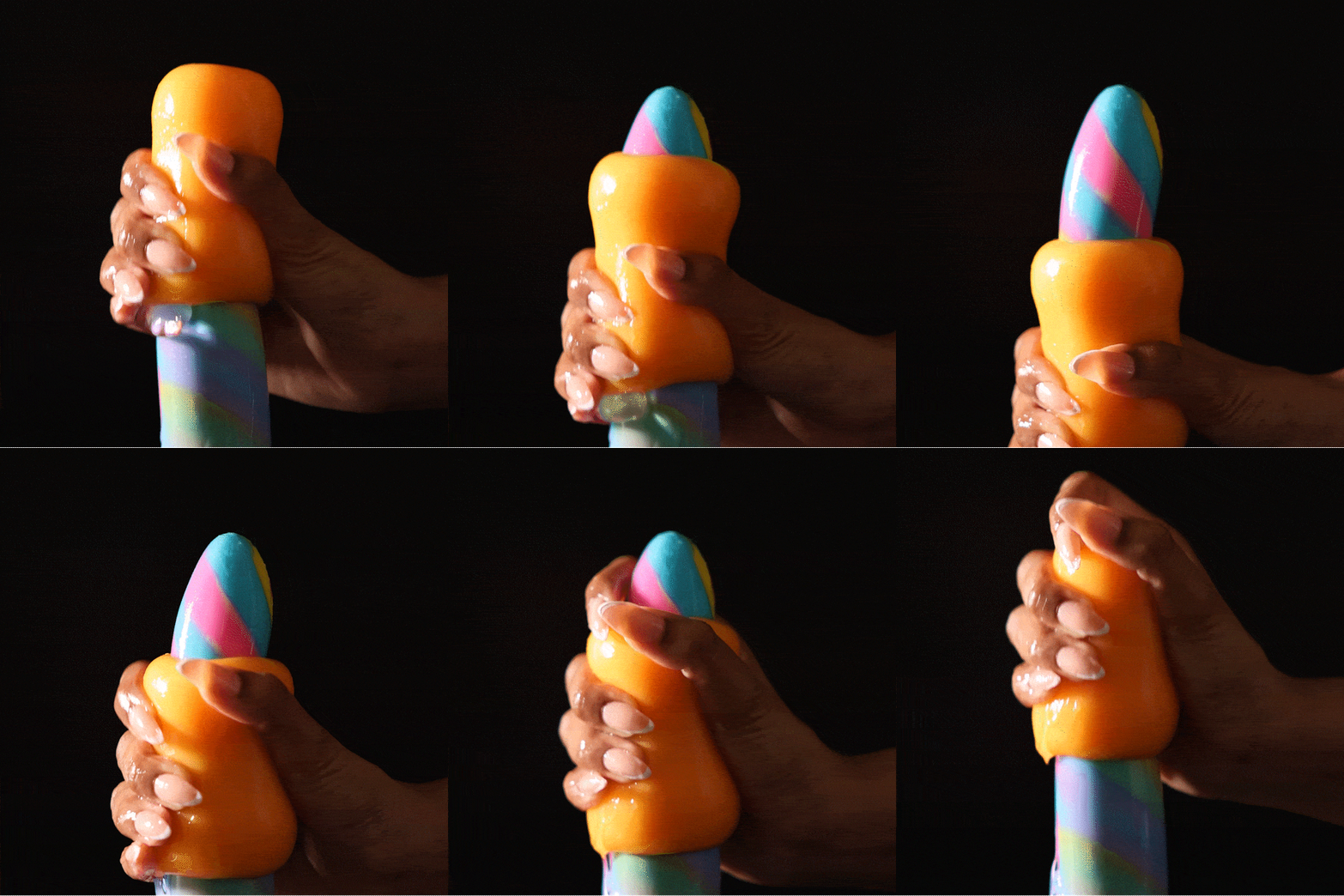 Khiladi
 Zubaan
 Peaché
 Dilbar
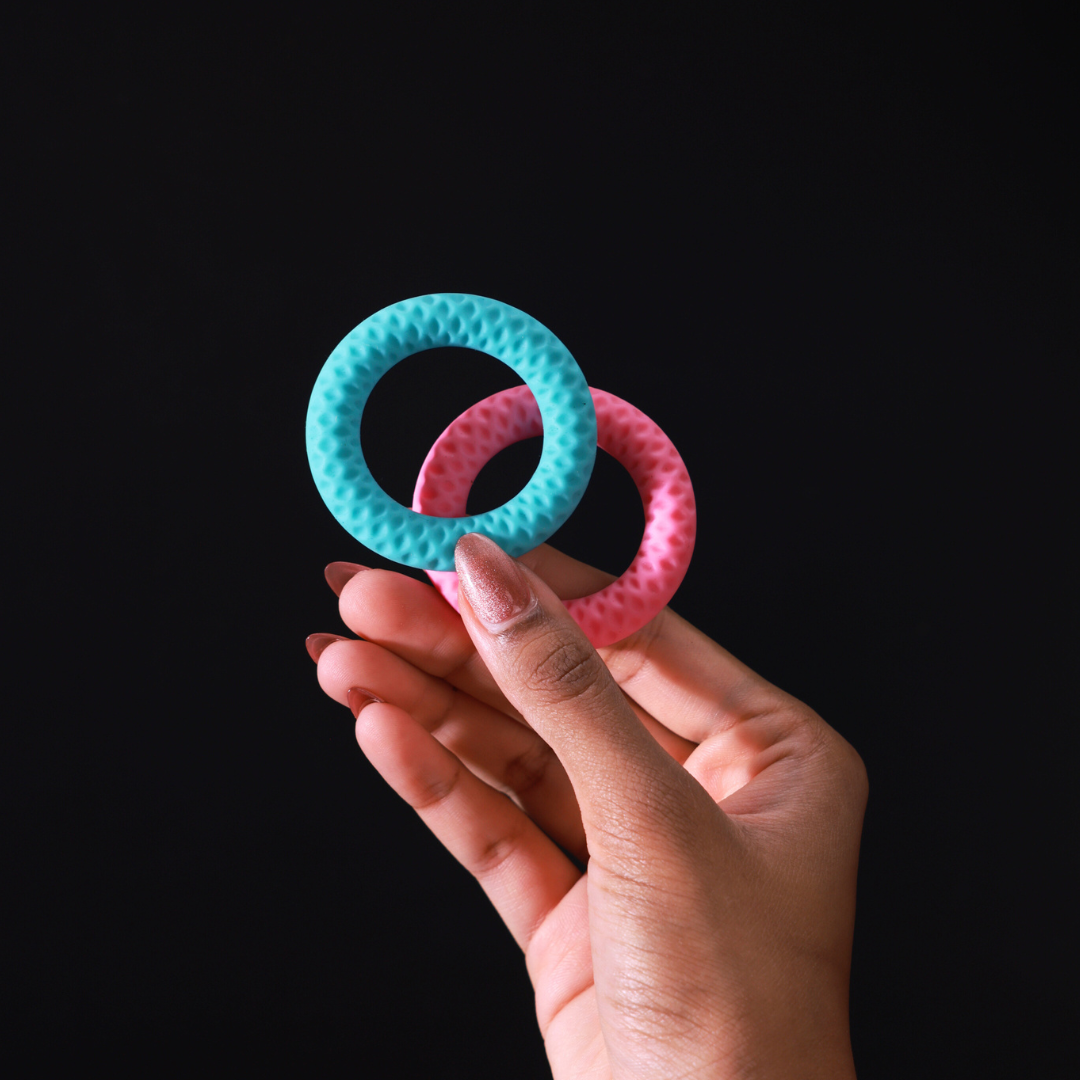 Power Rings
 Jaaneman
 Sultaan
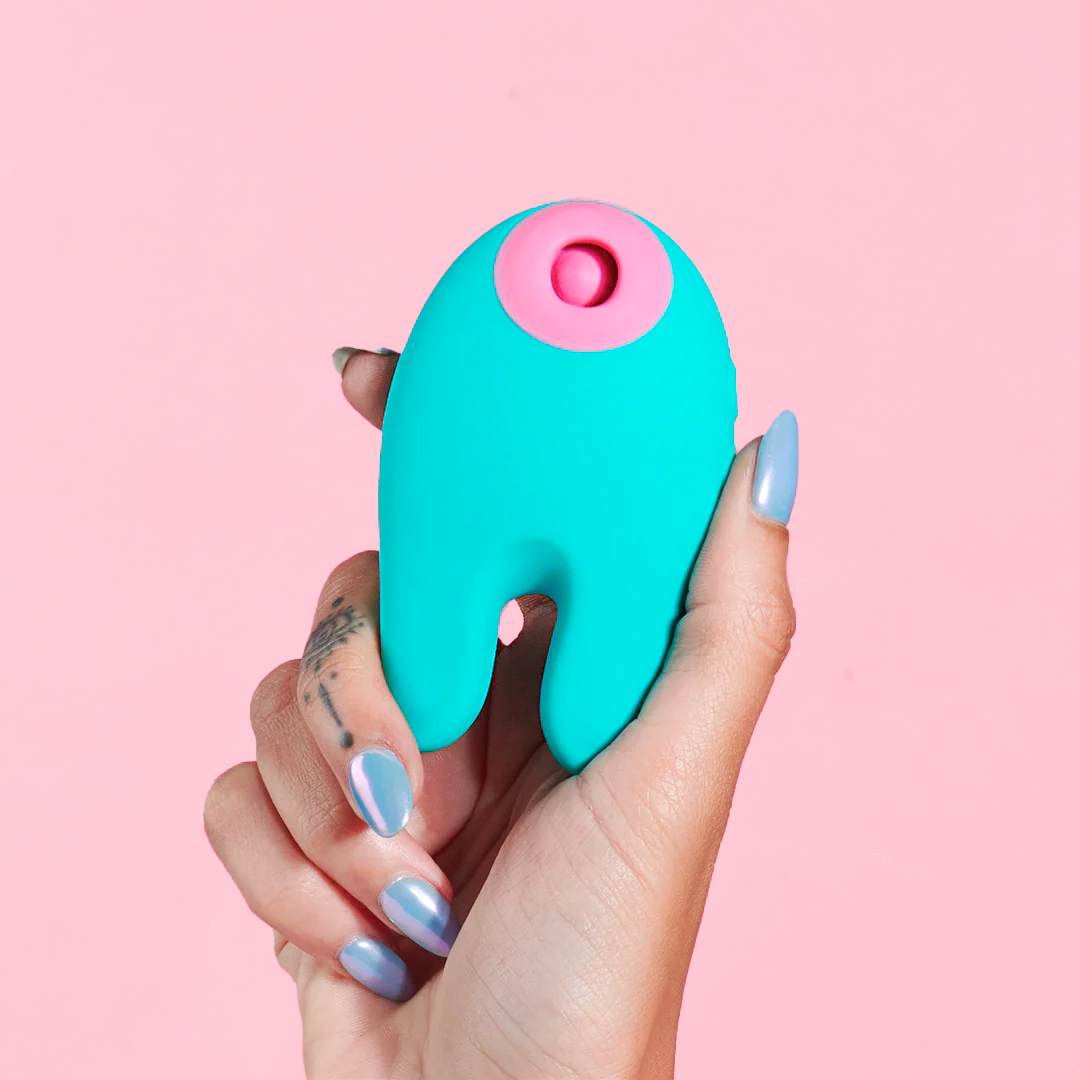 Pyaari
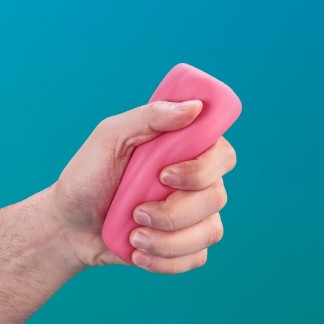 Toofaan Intense
 Lipstick
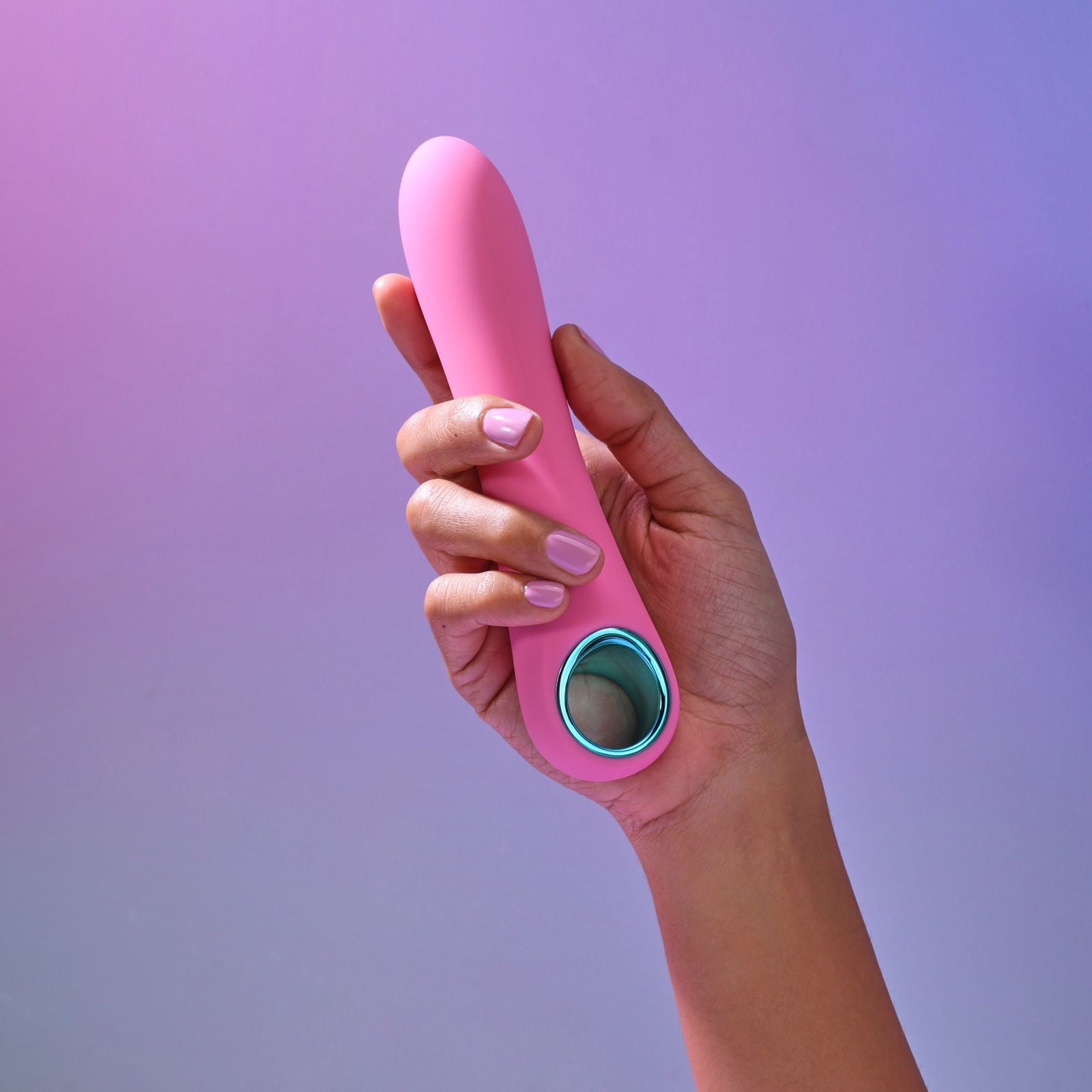 Jaadugar
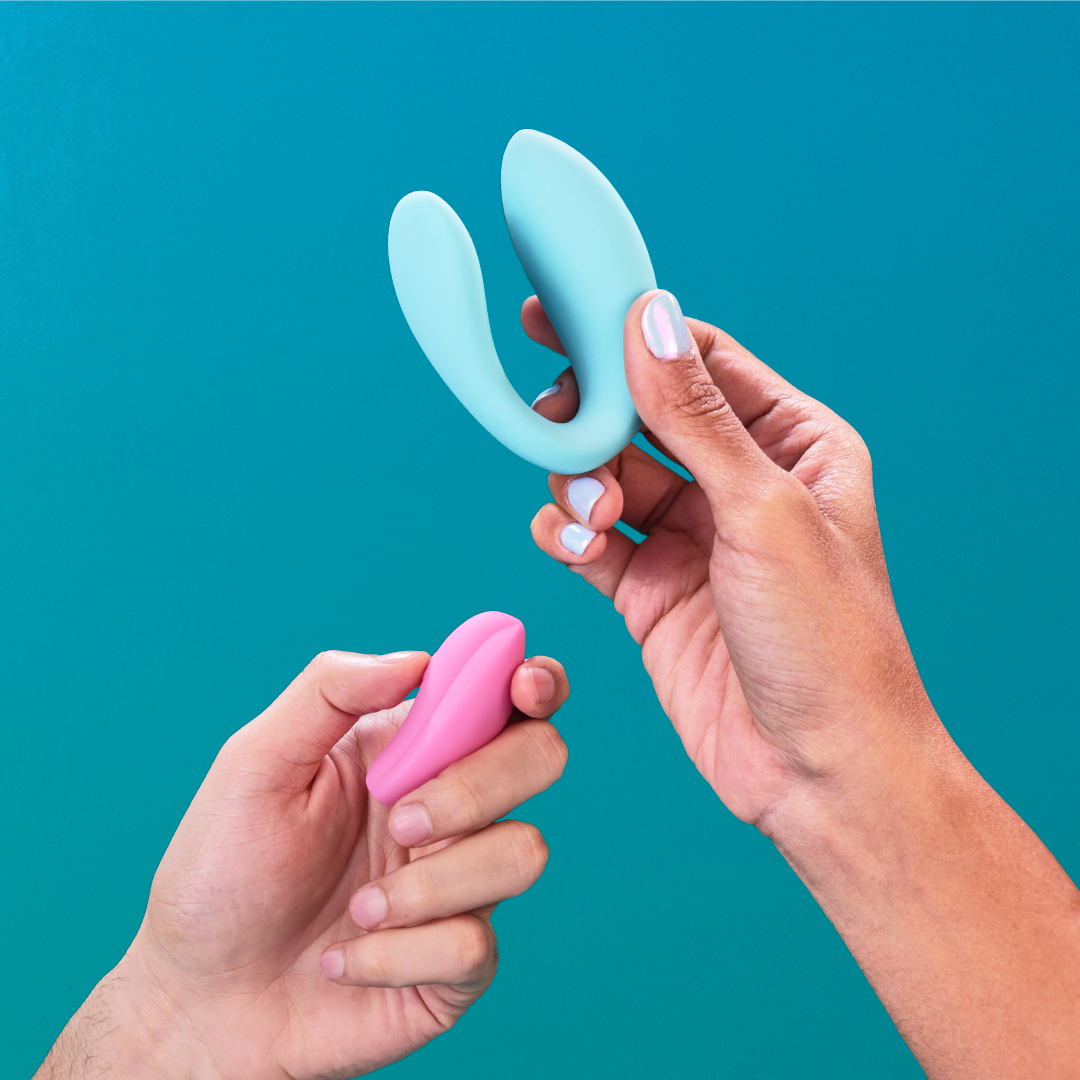 Natkhat
 FAQs
FAQs
 Track Your Order
 About Us


Masturbation myths are often passed through families, friends, and social media, but many common claims are not supported by medical evidence. Masturbation does not inherently cause weakness, infertility, blindness, hair loss, or mental illness. What matters is accurate information, personal comfort, consent, and whether sexual behaviour interferes with daily life.
Masturbation myths can make a normal aspect of sexual health feel frightening or shameful, especially when old beliefs are repeated as facts. Leezu’s approaches these conversations without judgment because better sexual wellness starts with better information. If a concern is causing significant anxiety, a qualified therapist or healthcare professional can help. Let’s separate the stories from the science.
Why Do Masturbation Myths Still Exist in Indian Families?
For many Indians, conversations about sex have traditionally been limited or uncomfortable at home and school. When questions are not answered openly, people often fill the gaps with warnings from relatives, friends, social media posts, or half-remembered advice.
One particularly persistent belief connects semen with strength or vitality. This can make ejaculation seem like a loss of something essential, even though normal ejaculation is not medically equivalent to losing your health or physical power.
The answer is not to mock these beliefs. It is to understand where they came from, compare them with reliable evidence, and create a safer way to ask questions.
Also, explore our other wellness products for her to enhance your pleasure and well-being.
10 Common Masturbation Myths: What’s Actually True?
Myth 1: Masturbation Causes Physical Weakness
Fact: Masturbation does not inherently make a healthy person physically weak or permanently drain energy.
Some people feel relaxed or sleepy after orgasm. That temporary feeling is not the same as losing strength or vitality. Normal sexual activity does not mean the body is being emptied of something essential.
If you experience persistent fatigue, dizziness, weakness, or another physical symptom, do not automatically blame masturbation. A healthcare professional can help identify the actual cause.
Myth 2: Masturbation Causes Infertility or Permanently Lowers Sperm Count
Fact: Masturbation does not inherently cause infertility.
Sperm are continuously produced by the body. Ejaculation can temporarily affect the amount of semen or sperm available in a subsequent ejaculation, but that is very different from permanent infertility.
If a couple has been trying to conceive without success, fertility assessment should consider both partners and multiple possible factors rather than assuming masturbation is responsible.
Explore, our products for couples to enhance your shared experience.
Myth 3: Masturbation Causes Erectile Dysfunction
Fact: Masturbation is not, by itself, a direct cause of persistent erectile dysfunction.
Erection difficulties can have many contributors, including anxiety, stress, relationship concerns, medication, hormonal factors, vascular health, and other medical conditions.
If erection problems happen repeatedly or cause distress, professional evaluation is more useful than self-blame. Sexual performance concerns deserve proper attention, not another round of internet speculation.
Myth 4: Masturbation Causes Hair Loss or Acne
Fact: There is no established direct reason to treat ordinary masturbation as the cause of hair loss or acne.
Hair loss can be influenced by genetics, hormones, age, nutritional issues, medical conditions, and other factors. Acne has its own complex relationship with hormones, skin biology, genetics, and lifestyle.
Blaming masturbation can therefore distract from finding the actual reason for a skin or hair concern.
Myth 5: Masturbation Reduces Testosterone
Fact: Masturbation should not be treated as a cause of permanently low testosterone.
Hormones naturally fluctuate, and a short-term change should not be confused with a chronic hormonal disorder. Testosterone levels are influenced by several biological and health factors.
If symptoms such as persistent low libido, unusual fatigue, or other concerns continue, a doctor can determine whether further evaluation or hormone testing is appropriate.
Myth 6: Masturbation Makes You Less Masculine
Fact: Masturbation has nothing to do with whether someone is “man enough.”
Ideas about masculinity can make men feel that they should always be sexually confident, constantly energetic, or ashamed of private sexual behaviour. None of these stereotypes is a medical measure of masculinity.
Healthy sexuality is better understood through:
- Consent
- Self-awareness
- Respect
- Comfort
- Communication
- Personal boundaries
Your sexual behaviour does not determine your worth, maturity, or masculinity.
Myth 7: Masturbation Causes Memory Loss or Mental Illness
Fact: There is no good basis for treating masturbation itself as a cause of memory loss or mental illness.
Guilt and fear can, however, create genuine emotional distress. Someone who has repeatedly been told that masturbation is dangerous may experience anxiety simply because they believe they have done something wrong.
If anxiety, guilt, obsessive thoughts, or low mood are persistent, speaking with a mental-health professional can be much more helpful than trying to suppress sexual behaviour through fear.
Myth 8: Masturbation Is Automatically Addictive
Fact: Frequency alone does not determine whether a behaviour is a problem.
People differ widely in how often they masturbate. The more useful questions are:


- Does the behaviour feel difficult to control?
- Does it cause significant distress?
- Does it interfere with work or studies?
- Does it affect relationships or sleep?
- Does it repeatedly interfere with everyday responsibilities?
A person does not need to feel ashamed simply because their frequency is different from someone else’s.
Myth 9: Masturbation Ruins Marriage or Future Sex
Fact: Masturbation does not automatically damage a future relationship or make someone unsuitable for marriage.
People can masturbate and have satisfying partnered sex. What matters in a relationship is communication, consent, attraction, emotional connection, sexual compatibility, and shared expectations.
If masturbation becomes the only sexual activity someone wants, creates ongoing conflict, or is being used to avoid important relationship issues, those patterns are worth discussing rather than blaming masturbation itself.
Myth 10: Masturbation Is Always Bad and Should Cause Shame
Fact: Medical facts and personal values are not the same thing.
Different families, cultures, and individuals may hold different beliefs about sexuality. You can respect personal or religious values while still understanding what medical evidence does and does not support.
Shame is not a health requirement. Private sexual behaviour should be approached with:
- Privacy
- Consent
- Hygiene
- Self-awareness
- Respect for personal boundaries
The goal is not to tell everyone what they should do. It is to make sure people are making informed choices rather than fearful ones.
Explore, intimate massager for women to learn about comfortable options designed for personal relaxation, wellness, and intimate care.
So, Is Masturbation Normal?
For many people, masturbation is a normal part of sexuality. Others may choose not to masturbate, and that is normal too. There is no universal “correct” frequency.
A better question than “How often is too often?” is:
“Is this behaviour comfortable, consensual, and compatible with the rest of my life?”
If it causes persistent pain, injury, severe distress, or meaningful disruption to everyday responsibilities, it is worth seeking professional advice.
These masturbation myths become less confusing when the focus shifts from an arbitrary number to actual wellbeing.
Explore, water based lubricant gel for smooth, comfortable, and convenient intimate experience.
Are There Any Benefits of Masturbation?
People can experience masturbation differently. For some, it can be a way to:
- Understand their body
- Explore arousal
- Learn what feels comfortable
- Relax
- Become more aware of their sexual preferences
These experiences are personal and should not be presented as guaranteed medical benefits.
If someone chooses to explore intimate-wellness products, the priorities should include comfort, body-safe materials, appropriate lubrication, cleaning, and following product instructions.
Leezu’s offers products including Toofaan, Toofaan Intense, Khiladi, Peaché, and Power Rings as part of its intimate-wellness range. These are designed for pleasure and exploration, not as treatments for infertility, erectile dysfunction, low testosterone, or another medical condition.
Explore, our other wellness products for him to discover more ways to enhance pleasure and well-being.
Explore, Leezus self-care merch to make things more interesting and exciting.
When Can Masturbation Become a Problem?
The behaviour itself is not the only thing to consider. Context matters.
Consider getting professional support if:
- It repeatedly interferes with work, studies, sleep, or relationships.
- You feel unable to control it despite wanting to change the pattern.
- It causes persistent physical pain, irritation, or injury.
- You experience intense distress, guilt, or anxiety around sexual behaviour.
- It becomes a way of avoiding problems that need attention elsewhere.
These situations do not mean someone is “bad” or broken. They simply indicate that additional support may be useful.
Explore, female masturbation tips for a comfortable, intense and exciting and experience to understanding personal pleasure.
Masturbation Myths vs Facts: Quick Recap
|
Common claim |
What to know |
|
Masturbation causes weakness |
It does not inherently cause physical weakness. |
|
Masturbation causes infertility |
It does not inherently cause infertility. |
|
Masturbation causes erectile dysfunction |
Persistent ED can have many causes and deserves proper assessment. |
|
Masturbation causes hair loss or acne |
These concerns should not automatically be attributed to masturbation. |
|
Masturbation lowers testosterone |
It is not a cause of permanently low testosterone. |
|
Masturbation makes someone less masculine |
Sexual behaviour does not define masculinity. |
|
Masturbation causes memory loss |
It is not established as a cause of memory loss. |
|
Masturbation is automatically addictive |
Frequency alone does not define compulsive behaviour. |
|
Masturbation ruins marriage |
It does not inherently damage partnered intimacy. |
|
Masturbation should cause shame |
Personal values differ, but shame is not a medical requirement. |
Learn More About Sexual Health With Leezu’s
Leezu’s was founded by sexuality educator and author Leeza Mangaldas with a broader goal of making conversations about bodies, relationships, pleasure, and sexual health more informed and judgment-free. Its current educational guides similarly focus on clear explanations, practical advice, consent, safety, and evidence-led sexual wellness.
For more conversations around sexuality, sexual health, relationships, gender, identity, and the body, explore Leeza Mangaldas’s YouTube channel. Her channel is specifically positioned around normalising open, informed conversations about sexuality and sexual health.
Final Thoughts: Replace Shame With Better Information
The most useful response to masturbation myths is not embarrassment or panic—it is better information.
A belief repeated at home, in a group chat, or online does not automatically become a medical fact.
Ask questions. Check reliable sources. Pay attention to how your body and mind actually feel. And when a concern involves persistent pain, distress, or disruption to everyday life, speak with a qualified professional.
Leeza Mangaldas has built Leezu’s around the idea that conversations about sexuality can be informed, judgment-free, and easier to have. That same philosophy runs through Leezu’s current educational content, which combines sexual-health information with intimate-wellness education.
Ready to Explore Intimate Wellness Without the Awkwardness?
If these concerns are affecting your mental wellbeing, consider speaking with a qualified therapist or healthcare professional. Professional support and sexual-health education can work together; neither should be replaced by a product.
When you are ready to explore intimate wellness, Leezu’s offers thoughtfully designed options including Toofaan, Toofaan Intense, Khiladi, Peaché, and Power Rings for personal exploration and pleasure.
Explore Leezu’s, ask better questions, and make intimate choices with confidence, not shame.
Frequently Asked Questions
Q1. How often is masturbation normal?
There is no universal normal frequency. What matters is whether it feels comfortable and does not interfere with daily life, relationships, responsibilities, or wellbeing.
Q2. Can masturbation cause infertility?
No. Masturbation does not inherently cause infertility. Persistent fertility concerns should be evaluated by a qualified healthcare professional.
Q3. Is masturbation harmful?
For most people, masturbation is not inherently harmful. Persistent pain, injury, severe distress, or disruption to daily life are reasons to seek professional advice.
Q4. Will masturbation lower testosterone?
Masturbation is not considered a cause of permanently low testosterone. If you have symptoms of a possible hormonal problem, speak with a doctor rather than relying on internet claims.
Q5. What are the most common masturbation myths?
Common claims include that masturbation causes weakness, infertility, hair loss, blindness, memory loss, erectile dysfunction, or permanent testosterone loss. Each claim should be assessed against reliable medical evidence.
Q6. Why do Indian families believe masturbation causes weakness?
The belief is partly connected to older ideas linking semen with vitality and fears about “loss of energy.” Such cultural beliefs can persist when open, evidence-based sex education is limited.
Q7. How can I stop feeling guilty about masturbation?
Start by separating personal values from medical facts. Avoid shame-based information, learn from credible sexual-health sources, and consider speaking with a therapist if guilt or anxiety remains intense.
Q8. Can masturbation affect married life?
Not inherently. Masturbation and partnered sex can coexist. Relationship difficulties are better addressed through communication, consent, shared expectations, and professional support when needed.