Dilruba
 Leezu's Plug
 Khiladi
 Zubaan
 Peaché
 Dilbar
 Power Rings
 Jaaneman
 Sultaan
 Pyaari
 Toofaan Intense
 Lipstick
 Jaadugar
 Natkhat
 FAQs
FAQs
 Track Your Order
 About Us


Aftercare refers to the care, comfort, and communication that follow an intimate, sexual, or emotionally intense experience. It can include affection, conversation, rest, hydration, personal space, and checking in with yourself or a partner. Aftercare helps people transition comfortably from intensity back to everyday life while respecting individual needs and boundaries.
The simplest aftercare meaning is the intentional care you give yourself or someone else after intimacy. It is not a rigid routine or a requirement to cuddle. It can be emotional, physical, practical, or simply quiet time. At Leezu’s, we believe informed intimacy includes what happens after pleasure too, and that is where thoughtful care begins.
What Is the Aftercare Meaning?
Aftercare is the period of care that follows an intimate, sexual, or emotionally intense experience. It can help someone feel comfortable, grounded, and connected after a vulnerable moment. Care should fit the people involved. That flexibility makes aftercare relevant across different people, relationships, and intimate experiences and preferences.
The term is often associated with BDSM, where aftercare can help partners transition after an intense scene. However, the idea is much broader and can apply to many kinds of consensual intimacy.
What Does Aftercare Meaning Look Like After Sex?
In sexual contexts, aftercare meaning is about paying attention to what happens once sexual activity ends. Your body may feel relaxed, tired, or sensitive, while your emotions may range from happy and connected to vulnerable or quiet. None of these responses automatically means something is wrong.
Good aftercare creates room to notice those responses rather than rushing past them. It may involve asking, “How are you feeling?”, getting comfortable, drinking water, talking about the experience, or simply giving each other space.
Aftercare Meaning: Why Is It Important to Understand?
Aftercare meaning matters because intimacy does not necessarily end the moment sexual activity stops. The transition afterward can be an opportunity to support comfort, communication, and emotional wellbeing.
It can help you:
- Slow down after an intense experience.
- Notice physical or emotional needs.
- Reassure a partner without making assumptions.
- Create space for honest communication.
- Understand what felt comfortable or uncomfortable.
- Respect boundaries after intimacy as carefully as before it.
Research and expert commentary on sexual aftercare suggest that post-sex activities can support feelings of connection and wellbeing, although individual experiences naturally differ.
Also, explore our other wellness products for her to enhance your pleasure and well-being.
What Does Aftercare Meaning Include?
Emotional Aftercare
Emotional aftercare focuses on feelings and connection. It might include a gentle conversation, reassurance, affectionate touch, listening without judgment or simply sitting together in comfortable silence.
Sometimes, the most helpful thing is not saying much at all. Being present can be enough.
Physical Aftercare
Physical aftercare is about basic comfort. Depending on the situation, it can mean drinking water, resting, changing into comfortable clothes, showering, having a snack or taking care of any physical discomfort.
The goal isn't to follow a checklist. It is simply to listen to what your body needs.
Sexual Aftercare
Sexual aftercare combines emotional and physical care after sexual activity. Partners might cuddle, check in with each other, talk about what they enjoyed or discuss anything they would prefer to do differently next time.
Importantly, consent continues after sex. A person who wants affection should be able to ask for it, while someone who wants space should feel equally comfortable saying so.
Solo Aftercare
You do not need a partner to practice aftercare. If you have been sexually intimate with yourself, you might shower, hydrate, clean your intimate products, rest, journal or simply notice how you feel.
Self-awareness is an important part of intimate wellbeing.
What Does Aftercare Meaning Look Like in Real Life?
There is no universal checklist. A simple aftercare routine might look like this:
- Take a few minutes to breathe and relax.
- Drink some water if you are thirsty.
- Ask your partner how they are feeling.
- Cuddle or share affection if both of you want it.
- Talk about the experience if you feel like talking.
- Take some personal space if that feels better.
- Shower, freshen up, or change into comfortable clothes.
- Rest or sleep if your body needs it.
What matters most is whether the experience feels supportive rather than whether it looks romantic or follows a particular idea of what couples are “supposed” to do.
Explore intimate massager for women to learn about comfortable options designed for personal relaxation, wellness, and intimate care.
How Does Aftercare Meaning Help You Understand What You Need?
Understanding aftercare meaning begins with checking in with yourself. Ask:
- How does my body feel?
- What emotion am I noticing?
- Do I want closeness or space?
- Is there anything I need physically?
- Do I feel safe and comfortable?
Then communicate. Instead of expecting a partner to guess, say what would help. You can also ask what they need. Over time, these conversations can make intimacy easier and more considerate.
Your preferences may vary from one experience to another. You might want cuddling one day and quiet time another. You might enjoy talking immediately after sex, while your partner needs a few minutes alone. Neither response is automatically better.
Explore, our products for couples to enhance your shared experience.

Is Aftercare the Same as Foreplay?
No. Foreplay generally refers to activities that happen before or during sexual activity and may build arousal, anticipation, or intimacy. Aftercare happens after sexual activity and focuses more on comfort, communication, transition, and wellbeing.
They serve different purposes, but both can be part of a thoughtful intimate experience. Seeing them as separate can also help partners understand that care should not disappear when the sexual activity ends.
|
Foreplay |
Aftercare |
|
Usually happens before or during sexual activity |
Happens after sexual activity |
|
May build arousal and anticipation |
Supports comfort and emotional transition |
|
Can focus on pleasure and intimacy |
Can focus on communication, reassurance and rest |
|
Preferences differ between people |
Preferences also differ between people |
Can You Have Difficult Emotions After Sex?
Yes. Some people may feel unexpectedly sad, anxious, irritable, tearful or emotionally vulnerable after sex. These feelings can happen even when the experience was consensual and enjoyable. Emotional responses are individual, and one difficult moment does not automatically explain why it happened.
Postcoital dysphoria is a term used for negative emotional experiences that can occur after consensual sexual activity. Reported experiences can include sadness, anxiety, irritability or tearfulness. Research into its causes remains limited, so it is better not to assume there is one explanation for everyone.
If difficult feelings are frequent, intense, or affecting your wellbeing or relationships, consider speaking with a qualified healthcare or mental-health professional.
Also, explore how to use a vibrator for more intense experience.
Aftercare in Different Relationship Situations
Long-term, new, or casual partners can all benefit from checking in rather than assuming what the other person wants. Solo intimacy can have aftercare too, through hygiene, hydration, rest, or reflection.
With a Long-Term Partner
Familiarity can make aftercare easier because partners may already understand each other's preferences. Still, checking in matters. People and circumstances change, and assumptions can sometimes replace genuine communication.
With a New or Casual Partner
A simple question can make a significant difference. You do not have to know exactly what another person needs after sex. Asking respectfully is often better than guessing.
When Partners Want Different Things
One person may want to cuddle while the other wants space. You can respect both needs without treating either preference as rejection.
Good communication allows both people to feel considered.
Explore, water based lubricant gel for smooth, comfortable, and convenient intimate experience.
Simple Aftercare Ideas Everyone Can Try
If you are unsure where to start, keep it simple:
- Check in with yourself.
- Ask your partner how they feel.
- Drink water.
- Get physically comfortable.
- Share affection if it is mutually wanted.
- Give yourself or your partner space when needed.
- Have a snack if you are hungry.
- Rest, relax, or sleep.
- Clean intimate products according to their care instructions.
- Talk later about what you enjoyed and what you would like to change.
Small actions can be meaningful when they are genuine and mutually comfortable.
Explore our other wellness products for him to discover more ways to enhance pleasure and well-being.
Aftercare and Intimate Product Hygiene
Practical care can include looking after intimate products after use. Follow the manufacturer's cleaning instructions, use suitable cleaning products, and allow items to dry completely before storage.
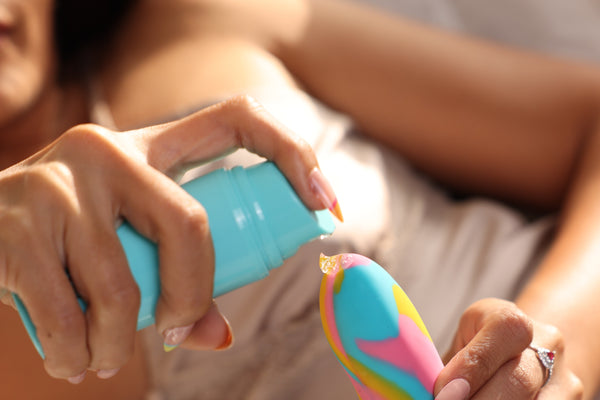
Leezu’s Squeaky Clean Toy Cleanser is designed as a gentle foaming cleanser for intimate toys and is compatible with all toy materials. Leezu’s recommends cleaning toys before and after each use and drying them completely before storage.
For lubrication and comfort during intimate experiences, Leezu’s Love Jelly is a water-based personal lubricant.
These products can fit naturally into a personal routine where hygiene and comfort matter, but products are only one small part of caring for yourself after intimacy.
Explore Leezus self-care merch to make things more interesting and exciting.
Understanding Aftercare Meaning: It Is Personal
A key point is that there is no single correct version of aftercare meaning. Care should fit the people involved.
For one person, aftercare may be cuddling under a blanket. For another, it may be a shower and a glass of water. Someone else may want to sleep, talk, journal or have some uninterrupted alone time.
What matters is consent, communication, and comfort. You should never feel pressured to provide or receive a particular kind of aftercare simply because it is portrayed as the “right” thing to do.
Leeza Mangaldas has built Leezu’s around scientifically accurate, judgment-free conversations about relationships, gender, and the body. That philosophy fits naturally with a broader understanding of intimacy: pleasure and care can coexist without shame or rigid rules.
Final Thoughts
Aftercare meaning ultimately comes down to one simple idea: intimacy deserves care on both sides of the experience. Whether you need affection, conversation, practical comfort or a little space, knowing what helps you feel grounded can make intimate experiences more thoughtful and respectful.
Leezu’s is here to make conversations about pleasure, intimacy and wellbeing more informed, open and judgment-free. Explore Leezu’s range of intimacy and personal-wellness products, including Squeaky Clean Toy Cleanser and Love Jelly, and discover resources designed to help you approach pleasure with greater confidence, comfort and care.
Frequently Asked Questions
Q1. How can I practice aftercare after sex?
Start with a simple check-in. Ask yourself and your partner how you feel, then offer whatever is genuinely wanted, such as water, affection, conversation, rest or personal space.
Q2. Can aftercare be done alone?
Yes. Solo aftercare can include showering, hydrating, resting, cleaning intimate products, journaling, or simply checking in with your emotions.
Q3. Is aftercare only for BDSM?
No. Although the concept is strongly associated with BDSM, aftercare can be useful after many forms of consensual sexual or emotionally intense experiences.
Q4. What is the aftercare meaning in a relationship?
It means intentionally caring for yourself and your partner after an intimate or emotionally intense experience through communication, comfort, reassurance, practical care, or space.
Q5. Why is aftercare important after sex?
It allows partners to transition out of intimacy, notice their needs, communicate, and support each other's comfort and emotional wellbeing.
Q6. Will aftercare make a relationship stronger?
It can support communication and connection, but it does not automatically improve a relationship. Healthy communication, respect, consent, and mutual care matter more broadly.
Q7. How does aftercare help with emotions after sex?
It creates space to notice and communicate feelings instead of immediately moving on. If distress is persistent or severe, professional support may be appropriate.
Q8. Can aftercare include cleaning intimate toys?
Yes. Cleaning and drying intimate products according to their care instructions can be a practical part of an after-intimacy routine.