Dilruba
 Leezu's Plug
 Khiladi
 Zubaan
 Peaché
 Dilbar
 Power Rings
 Jaaneman
 Sultaan
 Pyaari
 Toofaan Intense
 Lipstick
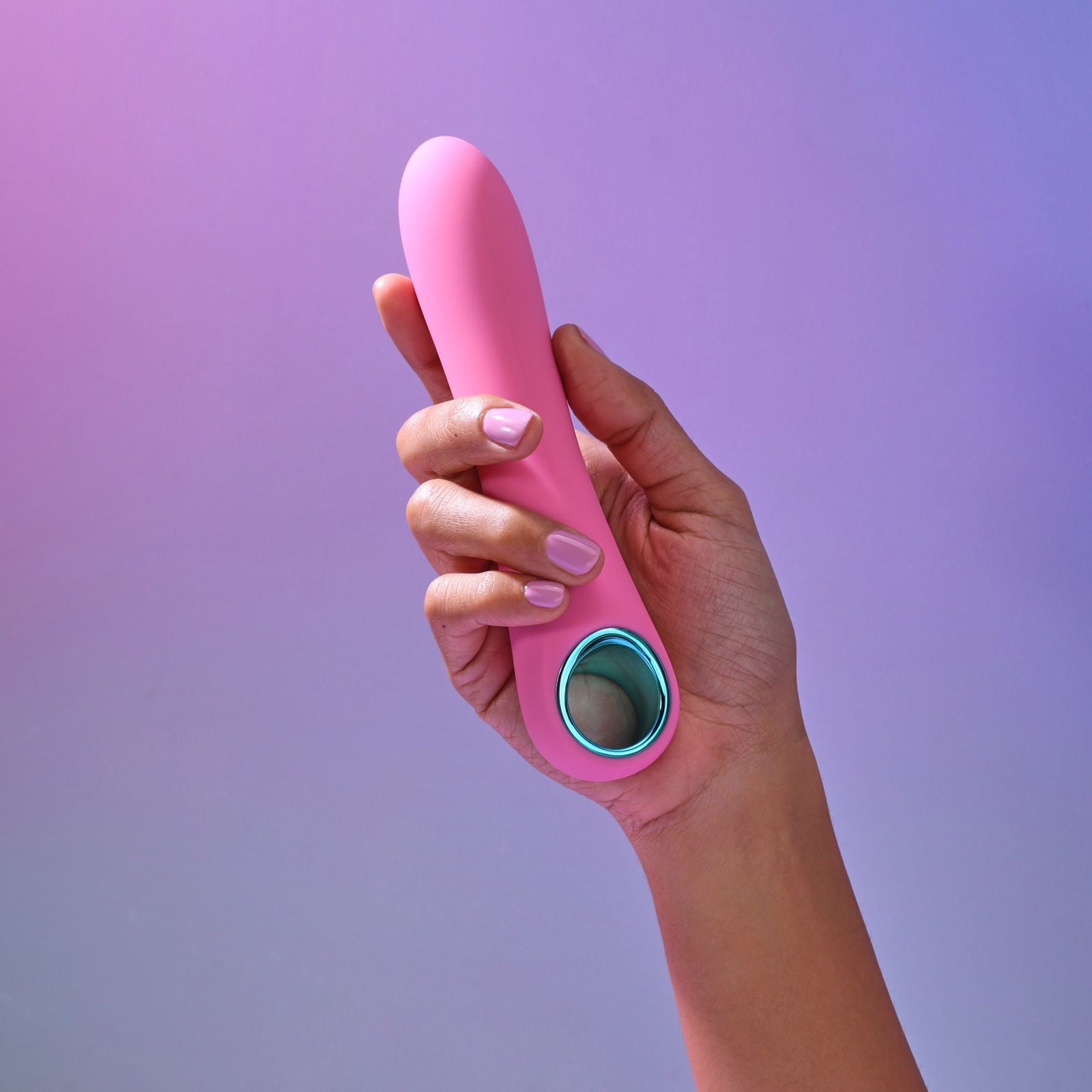 Jaadugar
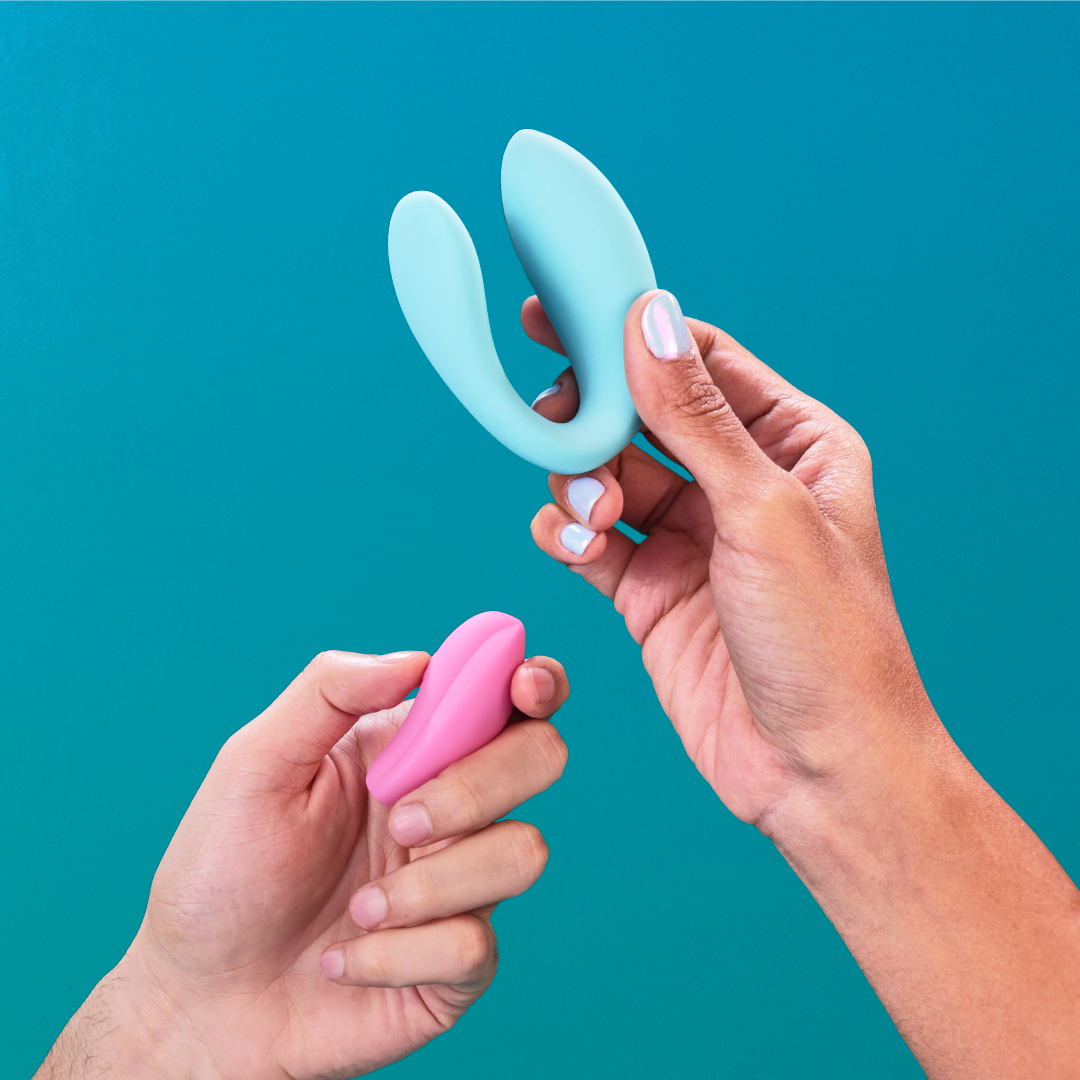 Natkhat
 FAQs
FAQs
 Track Your Order
 About Us


To talk about sex with your partner, choose a calm and private moment, speak honestly without blame, explain your needs clearly, and listen with curiosity. Start with what you already enjoy, discuss boundaries and preferences openly, and remember that healthy sexual communication is an ongoing conversation, not a one-time discussion.
To talk about sex with your partner, choose a relaxed moment, be honest about what you want, and listen without judging or pressuring each other. You don't need perfect words, just openness and respect. Talking about intimacy can feel awkward at first, but the right conversation can bring you closer. And sometimes, what you discover together may surprise you.
Why Is It So Hard to Talk About Sex With Your Partner?
Even couples who communicate well about money, family or everyday life can struggle when the subject turns to sex. Sexual conversations can feel unusually personal because they involve vulnerability, desire, insecurity and boundaries.
You may worry that your partner will:
- Judge your preferences
- Take your feedback personally
- Feel rejected
- Think you're dissatisfied with the relationship
- Expect you to try something you're not comfortable with
Past experiences, cultural attitudes and simply never having learned how to discuss intimacy can make things harder.
The important thing to remember is that awkwardness doesn't mean something is wrong with your relationship. It often means the topic matters to you.
When Should You Talk About Sex?
Timing can make a surprisingly big difference. If you want to talk about sex with your partner, don't wait until you're frustrated, disappointed or already in the middle of an intimate moment.
Instead, choose a time when neither of you feels rushed.
A good conversation might happen:
- During a relaxed evening at home
- While taking a walk together
- During a date
- When you're both in a positive mood
- When you have enough privacy to speak openly
You can even ask permission before starting:
“Can we talk about something about our intimate life? I'd love to know how you're feeling.”
That simple question gives your partner a chance to prepare rather than feeling ambushed.
How to Start Talking About Sex Without Making It Awkward
The first few sentences often feel like the hardest part. You don't have to launch into a serious discussion immediately.
Start With Something Positive
Beginning with appreciation can make the conversation feel safer.
Try:
- “I really love feeling close to you.”
- “There's something I've really enjoyed about our intimate moments.”
- “I'd love for us to talk about what we both enjoy.”
Starting positively doesn't mean avoiding difficult topics. It simply creates a more comfortable foundation.
Use “I” Statements
Instead of saying:
“You never understand what I want.”
Try:
“I'd really like to tell you more about what feels good to me.”
“I” statements focus on your experience rather than assigning blame. They can make difficult conversations much easier to hear.
Be Curious, Not Critical
Approach the conversation as something you're discovering together.
Ask:
“What do you enjoy?”
rather than:
“Why don't you ever want to do this?”
Curiosity encourages openness. Criticism usually encourages defensiveness.
What Should You Talk About With Your Partner?
Once the conversation has started, you may wonder what you're actually supposed to discuss. There is no universal checklist, but several areas can help couples understand each other better.
What You Already Enjoy
Talk about the moments that make you feel connected, comfortable or excited.
Knowing what already works gives you something positive to build on.
What You Don't Enjoy
You should also be able to say when something doesn't feel comfortable or enjoyable.
You don't need to criticize your partner. Be specific and kind:
“I'd prefer if we tried something different.”
Your comfort matters just as much as your partner's.
Sexual Preferences
Preferences can involve many things, including:
- Pace and touch
- Affection
- Atmosphere
- Communication
- Types of intimacy
- Things you may be curious about
Remember that sharing a preference isn't the same as making a demand.
Frequency and Desire
Partners don't always have identical levels of sexual desire. Stress, sleep, work, hormones, medication, relationship dynamics and life changes can all influence libido.


Rather than asking who is “right,” focus on understanding each other's experiences and finding mutually comfortable ways to stay connected.
Boundaries and Consent
A healthy sexual conversation should always leave room for a genuine yes, no or not right now.
Consent should be:
- Freely given
- Clear
- Mutual
- Ongoing
- Changeable at any time
Respecting a boundary isn't a failure. It's part of creating trust.
10 Questions to Help You Talk About Sex With Your Partner
If you don't know where to begin, questions can take some pressure off.
Try asking:
- What do you enjoy most about our intimate moments?
- Is there anything you'd like us to do more often?
- Is there anything you'd prefer we did differently?
- What helps you feel relaxed and comfortable?
- What makes you feel desired?
- Are there any boundaries you'd like me to understand better?
- Is there something you've wanted to tell me but felt shy about?
- What kind of intimacy makes you feel most connected to me?
- Is there something new you'd be curious to explore together?
- How can we make intimacy more enjoyable for both of us?
You don't need to answer all ten in one sitting. Pick one or two and let the conversation develop naturally.
How to Talk About What You Want in Bed
Learning to talk about sex with your partner also means learning how to express your own desires.
Being specific can help. Instead of saying, “I want better sex,” explain what you mean.
For example:
- “I'd like more time to relax before we become intimate.”
- “I really enjoy it when you…”
- “I'd like to try…”
- “I'd feel more comfortable if…”
Give your partner space to respond, too. They may have preferences or concerns you haven't considered.
According to sexual-wellness educator Leeza Mangaldas, conversations around intimacy can become more comfortable when couples approach them with openness rather than shame or judgment. The goal isn't to perform communication perfectly; it's to create a space where both people can be honest.
What If Your Partner Doesn't Respond the Way You Expected?
Sometimes you finally find the courage to bring something up—and your partner reacts defensively, becomes quiet or doesn't know what to say.
Try not to immediately assume the worst.
Instead:
- Give them time to process.
- Ask what they're feeling.
- Avoid turning the conversation into an argument.
- Clarify what you meant if something was misunderstood.
- Take a break if emotions become overwhelming.
- Come back to the subject later.
You can say:
“I don't need an answer right now. I just wanted to share how I've been feeling.”
That can take the pressure out of the moment.
Can Different Sex Drives Work in a Relationship?
Yes. Different levels of desire don't automatically mean that a relationship is incompatible.
The key is to avoid turning desire into a competition or obligation. One partner shouldn't feel pressured to have sex, while the other shouldn't feel ashamed for wanting intimacy.
Instead, discuss:
- How each of you experiences desire
- What makes intimacy easier or harder
- Other forms of affection
- How you can maintain closeness
- What compromises feel comfortable to both of you
If the difference continues to create significant distress, speaking with a qualified relationship or sex therapist can provide a neutral space to work through it.
Can Intimacy Products Help Couples Explore Together?
Once you've created a comfortable space to talk about sex with your partner, some couples may also enjoy exploring sexual-wellness products together.
The point isn't to “fix” your sex life with a product. Instead, something new can simply become a playful way to continue a conversation about curiosity, preferences and mutual pleasure.
For couples exploring together, Leezu’s includes options such as Jaaneman, Natkhat, Extremely Naughty Cards, Tann Mann Dil, Pyaari, The Lover's Bundle, and Wetter The Better.
Choose anything only when both partners are comfortable. The conversation always comes first.
How to Keep Talking About Sex After the First Conversation
One good conversation can open the door, but healthy sexual communication doesn't end there.
Preferences can change. Relationships change. Bodies change. Stress levels change. What feels right at one point in your relationship may not feel the same six months later.
Make occasional check-ins normal.
You might ask:
“How have you been feeling about our intimacy lately?”
or:
“Is there anything you'd like us to talk about?”
These small conversations can prevent minor misunderstandings from becoming bigger sources of frustration.
As Leeza Mangaldas has emphasized through her sexual-wellness work, creating a culture of openness around intimacy can help replace embarrassment with curiosity and understanding.
Common Mistakes to Avoid When Talking About Sex
Even a well-intentioned conversation can go sideways. Try to avoid:
- Starting the discussion during an argument
- Using blame or insults
- Comparing your partner with someone else
- Expecting your partner to read your mind
- Pressuring someone to agree
- Bringing up several sensitive issues at once
- Treating “no” as personal rejection
- Laughing at something your partner shares vulnerably
- Expecting an immediate solution
The aim isn't to win the conversation. It's to understand each other better.
When Should Couples Consider Professional Help?
Sometimes communication problems around intimacy are connected to deeper relationship concerns. Professional support can be useful when couples repeatedly struggle with:
- Persistent conflict about intimacy
- Major differences in sexual desire
- Difficulty communicating boundaries
- Ongoing resentment or disconnection
- Anxiety or distress surrounding sex
- Problems that can't be resolved through conversation alone
A qualified therapist can provide a neutral, confidential environment where both partners can communicate more openly.
If you're looking for professional support, Leezu’s encourages couples to view communication and sexual wellness as connected parts of a healthy relationship. When conversations feel consistently difficult or emotionally overwhelming, seeking appropriate professional guidance can be a constructive next step.
Final Thoughts: Better Intimacy Starts With Better Communication
Learning to talk about sex with your partner isn't about finding a perfect script or saying everything in one conversation. It's about creating enough trust for both people to be honest about what they want, need, enjoy, and don't feel comfortable with.
Start small. Ask one question. Listen to the answer. Share your own perspective. And remember that intimacy is something you can keep learning about together.
When you're ready to make those conversations more playful and explore intimacy together, discover Leezu’s For Couples collection and find a starting point that feels right for both of you.
FAQs
Q1. How do I talk about sex with my partner for the first time?
Choose a private, relaxed moment and begin with something positive. Use “I” statements to explain your feelings and preferences, then give your partner space to respond without judgment or pressure.
Q2. Can talking about sex improve a relationship?
Yes. Open sexual communication can help partners understand each other's preferences, boundaries, expectations and concerns. It can also reduce misunderstandings and create greater emotional and physical intimacy.
Q3. Is it normal to feel awkward talking about sex?
Yes. Feeling embarrassed or nervous is common, particularly if you've never had open conversations about intimacy. The discomfort often becomes easier as partners develop trust and practice communicating honestly.
Q4. Will talking about sexual preferences hurt my partner's feelings?
It doesn't have to. Focus on your own experience rather than criticizing your partner. Explain what you enjoy, what you'd like to explore and what makes you comfortable, while remaining open to their perspective.
Q5. What should I do if my partner doesn't want to talk about sex?
Don't force the conversation. Ask whether there is a better time to discuss it and explain why you'd like to have the conversation. If communication remains consistently difficult, professional relationship support may help.
Q6. Why do couples find it difficult to talk about sex?
Sex can involve vulnerability, insecurity, fear of rejection, shame and personal boundaries. People may also come from backgrounds where sexual topics were rarely discussed openly.
Q7. How often should couples talk about sex?
There is no ideal frequency. Couples can check in whenever something changes, after trying something new, or whenever either partner has a concern or question. Regular, low-pressure conversations can make intimacy easier to discuss.
Q8. What if my partner and I have different sexual needs?
Start by understanding each other's needs without assigning blame. Discuss boundaries, desire, affection and mutually comfortable options. Different preferences are common, but persistent conflict or distress may benefit from professional guidance.