Dilruba
 Leezu's Plug
 Khiladi
 Zubaan
 Peaché
 Dilbar
 Power Rings
 Jaaneman
 Sultaan
 Pyaari
 Toofaan Intense
 Lipstick
 Jaadugar
 Natkhat
 FAQs
FAQs
 Track Your Order
 About Us


Anal sex can be safe when practised with mutual consent, proper hygiene, adequate lubrication, and condom use. It does not always have to be painful, as going slowly and communicating with your partner can make the experience more comfortable. While anal sex carries risks such as STIs and minor tears, following doctor-approved, expert-backed practices can help support better sexual health and wellness and reduce these risks.
It is widely believed that anal sex is very painful, messy, or less pleasurable for women. These misconceptions can discourage couples from trying it or prevent those who haven’t figured out how to do it properly. With proper preparation and education, anal sex can be pleasurable, or at least help you determine if it works for you.
So, whether you're considering trying anal sex for the first time, have tried it before, or are already experienced, the tips in this blog will help make the experience safer, more comfortable, and more enjoyable. This article follows doctor-approved and expert-backed practices that encourage informed decisions about sexual health and wellness.
What Is Anal Sex?
Anal sex refers to sexual activities involving the anus. However, anal sex is not just limited to anal intercourse; and can include anal fingering and rimming to the use of tongue or adult toys. Studies have shown that about 90% of men who have sex with men and 5% to 10% of sexually active women engage in anal intercourse. For a broader overview of the basics, see our companion piece, what is anal sex.
Reviewed by Leeza Mangaldas, this guide aims to provide educational information to help readers better understand safe and consensual anal play.
Tips For A Safe And Sexy Anal Sex
No matter whether you're searching for how to do anal sex for the first time or already enjoy it regularly, these tips can help make the experience safer and more pleasurable.
Communicate
Discuss any concerns, boundaries, or inhibitions with your partner before and during the experience. Open communication helps ensure both of you feel comfortable, respected, and ready before moving forward.
Use Lots of Lube
Whether you're using fingers, a penis, or a sex toy, lubrication is essential for anal sex. Unlike the vagina, the anus does not produce natural lubrication. Using plenty of lubricant reduces friction, lowers the risk of tears or injury, and makes penetration smoother and more comfortable.
Pro Tip: If you're using latex condoms, choose a water-based lubricant such as Leezu's Love Jelly for better compatibility. If you're new to using lube generally, our guide on how to use lube is worth a read first.
Try Beginner-Friendly Positions
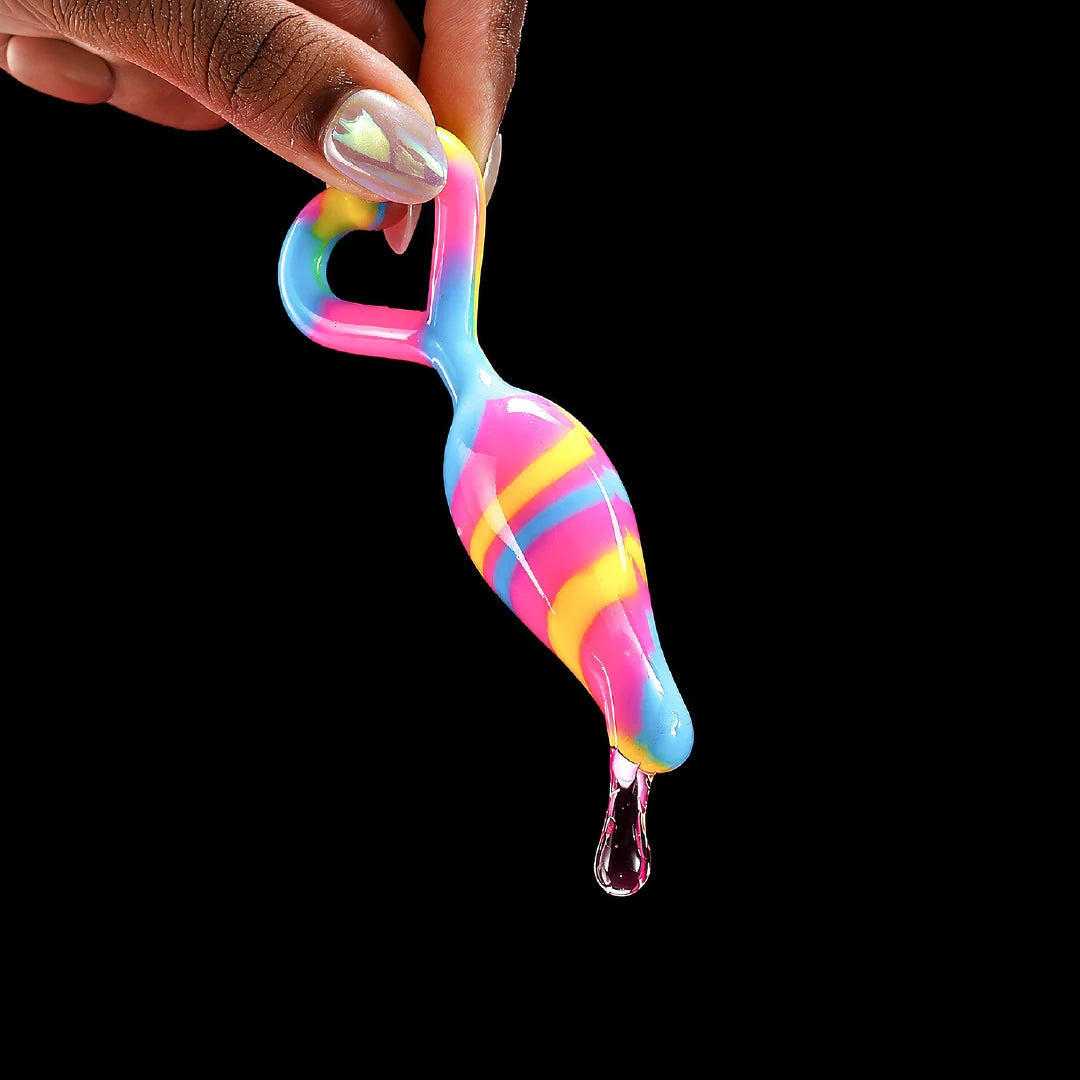
Doggy style is one of the most commonly preferred positions because it provides easier access. You can also place a pillow under the hips to improve comfort and adjust the angle of entry. Remember that the receiving partner should always control the pace whenever possible. If you're starting out, easing in with something like the Leezu's Plug beforehand can help build comfort gradually.
Use Condoms
A common myth is that anal sex without protection doesn't carry the risk of sexually transmitted infections (STIs). In reality, unprotected anal sex can spread infections such as HIV, chlamydia, gonorrhoea, herpes, and HPV. Using condoms is one of the simplest ways to reduce these risks.
Keep It Hygienic
If you're planning to include oral-anal contact, wash the area thoroughly beforehand to reduce the risk of bacterial infections.
Before anal fingering, make sure your nails are clean, trimmed, and free from sharp edges. Long or rough nails can tear the delicate skin around the anus and increase the risk of infection. Wash your hands before and after play, and ensure your partner follows the same hygiene practices.


Go Slow
Take your time and allow your body to relax before penetration. Arousal helps relax the anal muscles, making the experience more comfortable.
You can prepare by:
- Masturbating alone or with your partner
- Engaging in role play
- Taking a warm shower together
- Using fingers, a tongue, or a sex toy to stimulate the outside of the anus before penetration
If anxiety around discomfort is part of what's holding you back, our guide on how to do sex without fear of pain addresses this directly and applies just as well here.
Switch the Condoms
After anal play, thoroughly wash anything that came into contact with the anus, including hands, genitals, and sex toys.
If you're switching from anal sex to oral or vaginal sex, always use a fresh condom or clean toys thoroughly before continuing. This helps prevent the transfer of bacteria that can lead to urinary tract infections (UTIs) and vaginal infections.
Risks Associated With Anal Sex
Just like vaginal and oral sex, anal sex comes with certain risks. However, many of these risks can be reduced through proper hygiene, lubrication, protection, and communication.
Some possible risks include:
- The tissue inside the anus is delicate and can tear more easily than the skin outside it. Using enough lubricant helps minimise this risk.
- The anal sphincter is designed to control bowel movements. If the muscles are tense, penetration may feel uncomfortable. Repeated forceful anal sex without proper care may weaken these muscles over time. Kegel exercises may help strengthen the pelvic floor.
- The anus naturally contains bacteria. Switching from anal to vaginal sex without changing condoms or cleaning properly may increase the risk of vaginal and urinary tract infections.
- Oral-anal contact (analingus) may expose partners to infections such as hepatitis, herpes, HPV, and other bacteria. Maintaining good hygiene and using dental dams can help reduce this risk.
- Although pregnancy from anal sex is uncommon, it can happen if semen comes into contact with the vaginal opening.
Reviewed by Leeza Mangaldas, these recommendations encourage safer intimate practices while promoting informed choices about consent and protection.
Myths About Anal Sex
Let us debunk some of the most common misconceptions about Anal sex:
1. Myth: Only gay men have anal sex
Anal sex is not exclusive to any one group. While gay male couples may engage in anal sex, it’s enjoyed by people of all orientations and genders. In fact, women may also use sex toys to anally penetrate their partners, commonly known as pegging. Couples curious about power dynamics more broadly might also enjoy browsing the for handcuffs collection.
2. Myth: You cannot get pregnant from anal sex
The likelihood of pregnancy from anal sex is lower than from vaginal sex, however, it is not impossible. Any time semen is near the vaginal opening, there’s a risk it can enter the vagina and lead to pregnancy.
3. Myth: It's harder to get sexually transmitted infections from anal sex
The risk of getting sexually transmitted infections (STIs) from anal sex is equal to, if not higher than, other forms of sex. The tissue in the anus is delicate and can tear easily, creating space for infections to enter the body. The person being penetrated is more prone to STIs than the person penetrating.
4. Myth: Anal sex always hurts a lot
Anal sex can hurt if a partner is too rough or if the anus isn’t relaxed enough. Lack of lubrication can also cause pain during penetration.
Conclusion
Anal sex can be a fulfilling part of your intimate life when practised safely, consensually, and responsibly. Prioritising communication, hygiene, lubrication, and protection helps reduce potential risks while creating a more comfortable experience. Remember that every person is different, and mutual consent should always remain the foundation of any sexual activity. If you're looking to build broader confidence and comfort in your sex life beyond anal play, our guides on how to have sex are worth a read, and the bestsellers collection is a good place to find products that support all of it.
Frequently Asked Questions
Q1. How can I make anal sex more comfortable?
Use plenty of lubricant, communicate with your partner, relax through foreplay, and start slowly to reduce discomfort.
Q2. How should I prepare before trying anal sex?
Maintain good hygiene, trim your nails, use condoms and lubricant, and discuss boundaries with your partner beforehand.
Q3. Can anal sex spread sexually transmitted infections?
Yes. Anal sex can spread HIV, HPV, gonorrhoea, herpes, chlamydia, and other STIs. Using condoms helps lower the risk.
Q4. Is anal sex safe?
Yes. Anal sex can be safe when practised with mutual consent, proper hygiene, adequate lubrication, and condom use.
Q5. Is bleeding after anal sex normal?
Minor spotting may occur due to small tears, but persistent bleeding or severe pain should be evaluated by a healthcare professional.
Q6. Will using lubricant reduce pain during anal sex?
Yes. Lubricant reduces friction, helps prevent tears, and makes penetration smoother and more comfortable.
Q7. What is the best lubricant for anal sex?
Water-based lubricants are generally recommended, especially when using latex condoms, as they provide effective lubrication without damaging the condom.
Q8. Why should you change condoms after anal sex?
Changing condoms before switching to vaginal or oral sex helps prevent the transfer of bacteria and reduces the risk of urinary tract and vaginal infections.