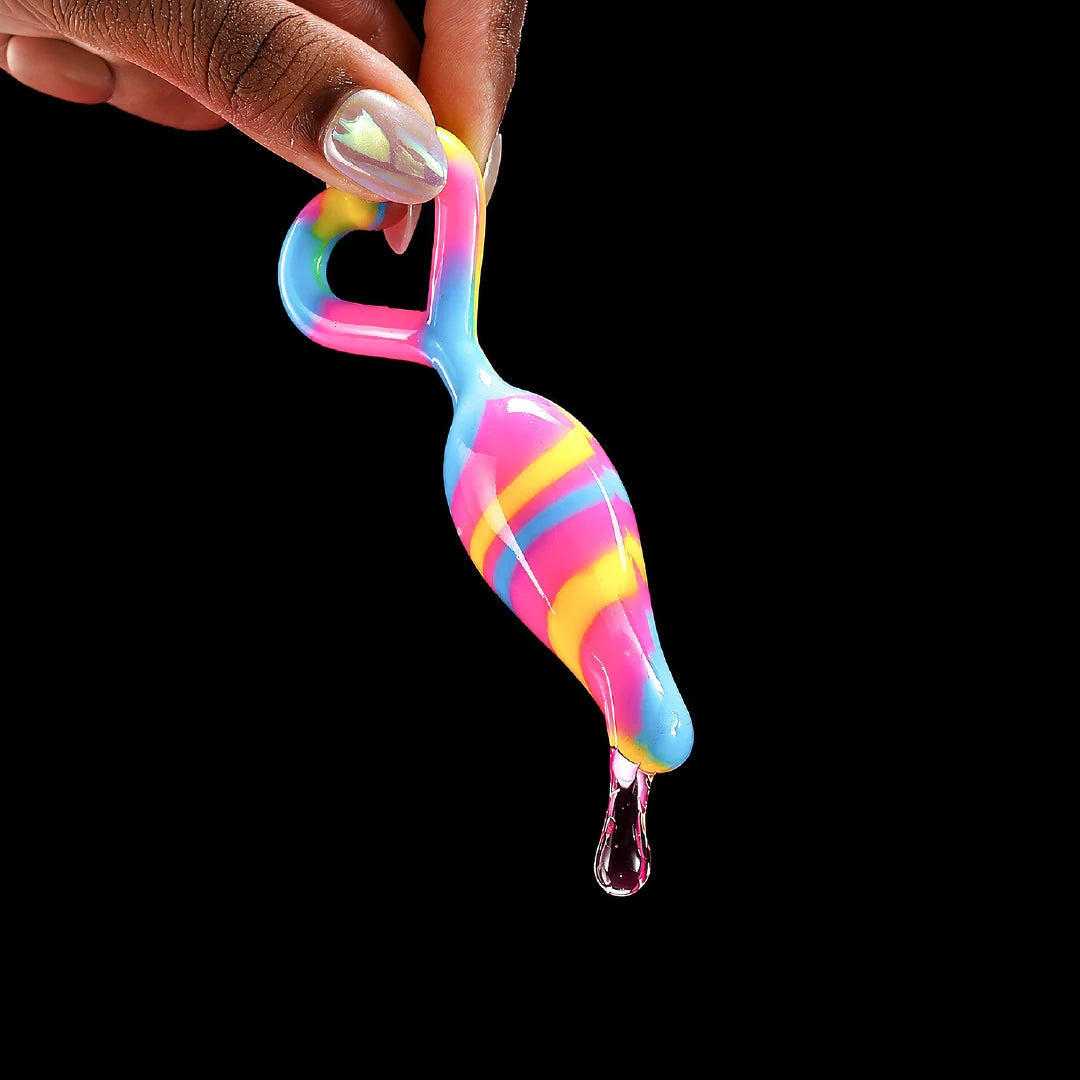
 Leezu's Plug
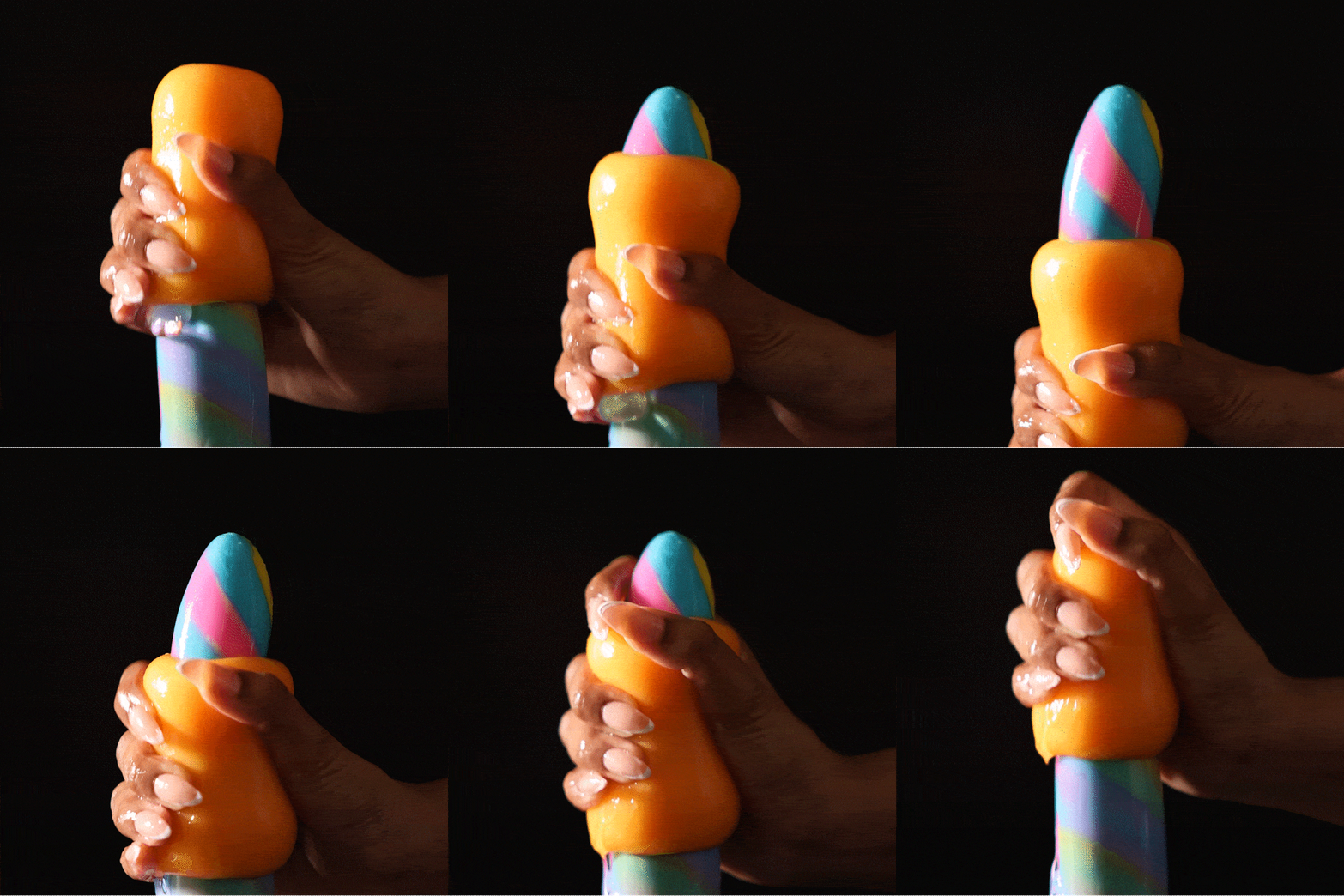 Khiladi
 Zubaan
 Peaché
 Dilbar
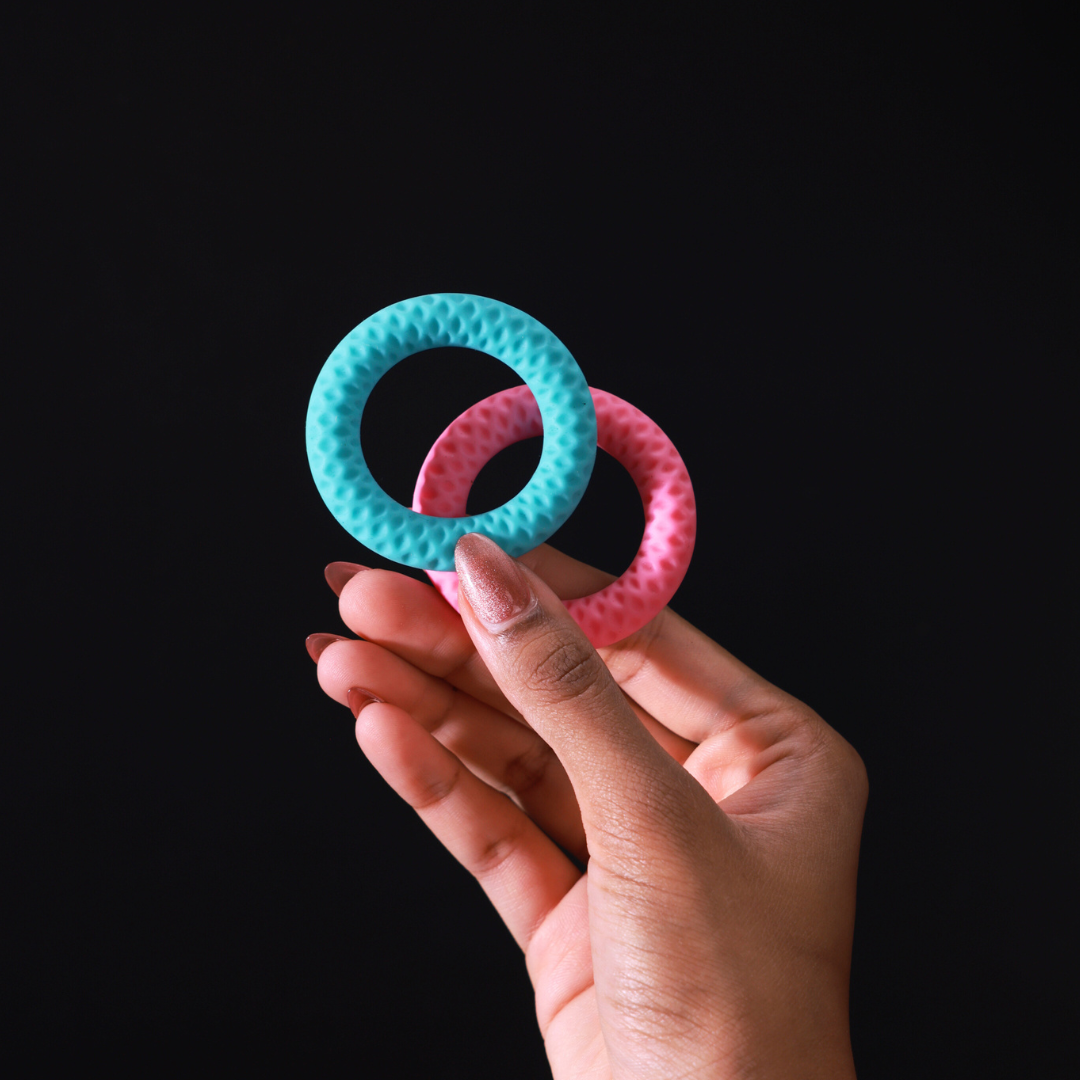 Power Rings
 Jaaneman
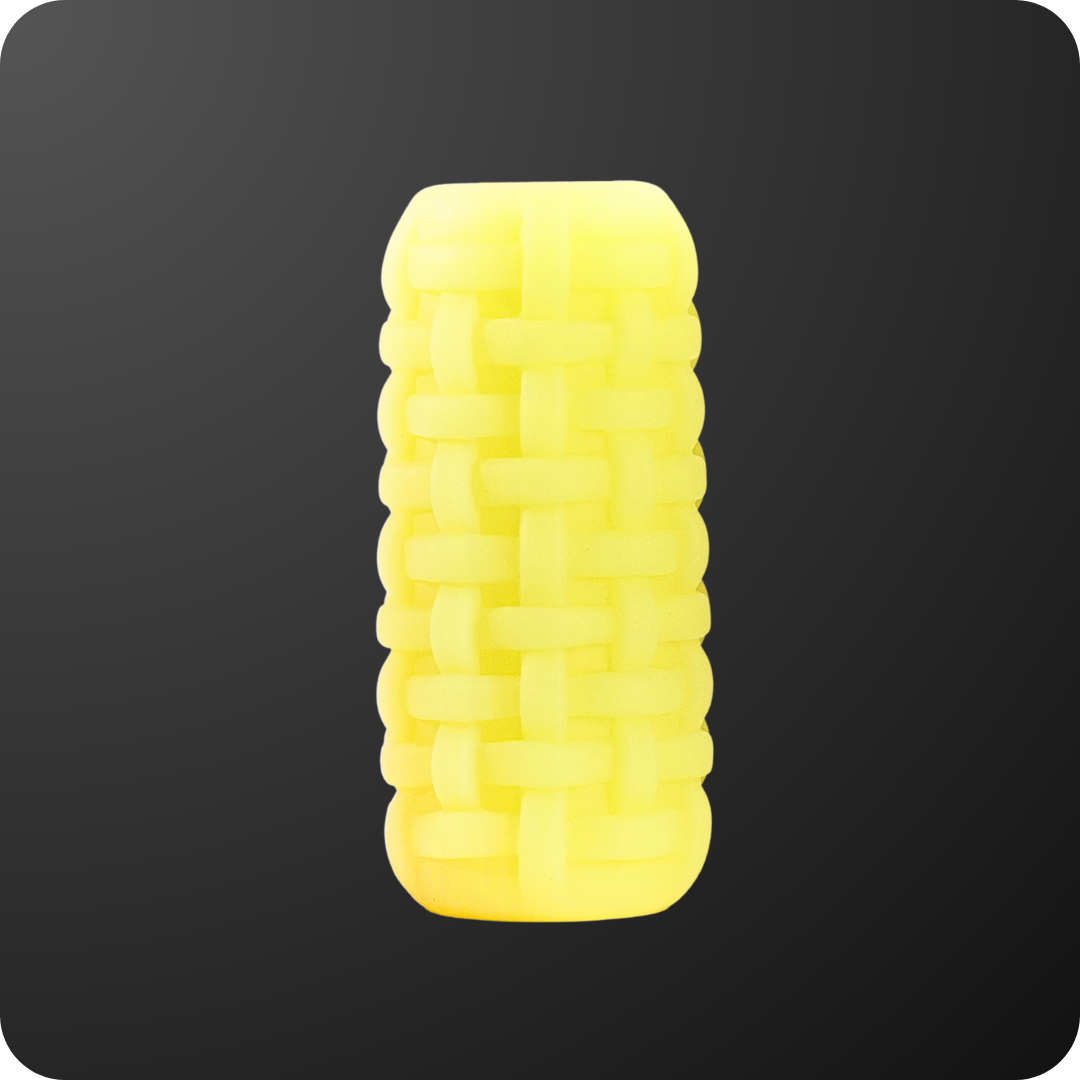 Sultaan
 Pyaari
 Toofaan Intense
 Lipstick
 Jaadugar
 Natkhat
 FAQs
FAQs
 Track Your Order
 About Us


The g spot has not been established as a distinct anatomical structure that exists in every woman. However, many people report pleasurable sensations from stimulation of the front vaginal wall. Research shows that sexual pleasure involves complex interactions between anatomy, sensation, arousal, psychology, and individual variation.
The g spot remains scientifically debated, but the sensations people associate with it are real for some individuals. Current evidence does not establish one universal anatomical “pleasure button.” At Leezu’s, we believe understanding your body should create curiosity rather than pressure. So, before you go searching for one supposedly magical spot, let’s look at what science actually tells us.
What Is the G Spot?
The g spot is a term commonly used to describe a potentially sensitive area along the front, or anterior, wall of the vagina. It is often discussed as though it were a clearly defined anatomical organ, but scientific evidence does not support that certainty.
A 2021 systematic review examined research covering surveys, clinical examinations, imaging, anatomical studies, histological evidence, and neurophysiological research. The findings were inconsistent: researchers did not reach agreement about whether a distinct structure exists, where it would be located, or what its precise nature would be. The review concluded that its existence as a distinct structure remains unproven.
That distinction matters. A person can experience a pleasurable sensation in a particular area without that sensation proving the existence of one universally defined anatomical structure.
Where Is the G Spot Supposed to Be?
Descriptions commonly place this sensitive area on the front wall of the vagina, toward the direction of the pubic bone. But this should be treated as a general anatomical description, not a universal set of coordinates.
Bodies are not identical. Sensitivity varies, and sexual responses vary too. Some people may find stimulation in this region pleasurable, while others may feel little or nothing from it.
There is no correct response.
That is important because popular discussions can make sexual exploration sound like a treasure hunt. If you cannot identify a particular sensitive area, you have not failed at anything.
Does the G Spot Actually Exist?
The most accurate answer is that science has not established the g spot as one distinct, consistently identifiable anatomical structure.
This does not mean that reported sensations are imaginary. It means researchers have not found one structure that can be reliably identified across people and studies.
The systematic review examined dozens of studies using different approaches. Surveys indicated that many women believe they have such an area, while imaging and anatomical studies produced contradictory findings. Some research has identified anatomical relationships that may contribute to internal sexual sensation, but those findings do not prove the existence of one universal structure.
So there are really two different questions:
- Can people experience pleasure from stimulation of the front vaginal wall? Yes.
- Has science established one distinct anatomical structure responsible for that experience in everyone? No.
Keeping those questions separate makes the debate much easier to understand.
The G Spot and the Clitoris: What’s the Connection?
The clitoris is far more extensive than the small external portion visible on the vulva. It includes internal structures and has an important role in sexual sensation and orgasm. Anatomical research describes the clitoris as a complex structure with extensive nerve and vascular connections.
Researchers have therefore explored whether sensations traditionally attributed to the g spot may involve interactions among the clitoris, urethra, anterior vaginal wall, and surrounding tissues.
One proposed model is the clitourethrovaginal complex, which views these structures as an interconnected functional area rather than treating pleasure as the result of one isolated point. Research has explored this concept, although it does not provide a universally accepted explanation for every person's experience.
The takeaway is simple: female sexual anatomy is more interconnected and individual than the familiar “find the G-spot” narrative suggests.
Why Do Some People Experience Pleasure From This Area?
People can experience pleasure from internal stimulation for many reasons. There is no need for every experience to fit one anatomical explanation.
Factors that can influence sexual sensation include:
- Individual anatomy and nerve sensitivity
- Level of arousal
- Type, rhythm, and pressure of stimulation
- Comfort and lubrication
- Previous experiences
- Emotional connection
- Psychological state
- Personal preferences
Research on female sexual response also emphasizes that orgasm involves more than stimulation of a single anatomical location. Physical sensations interact with psychological, emotional, hormonal, cultural, and experiential factors.
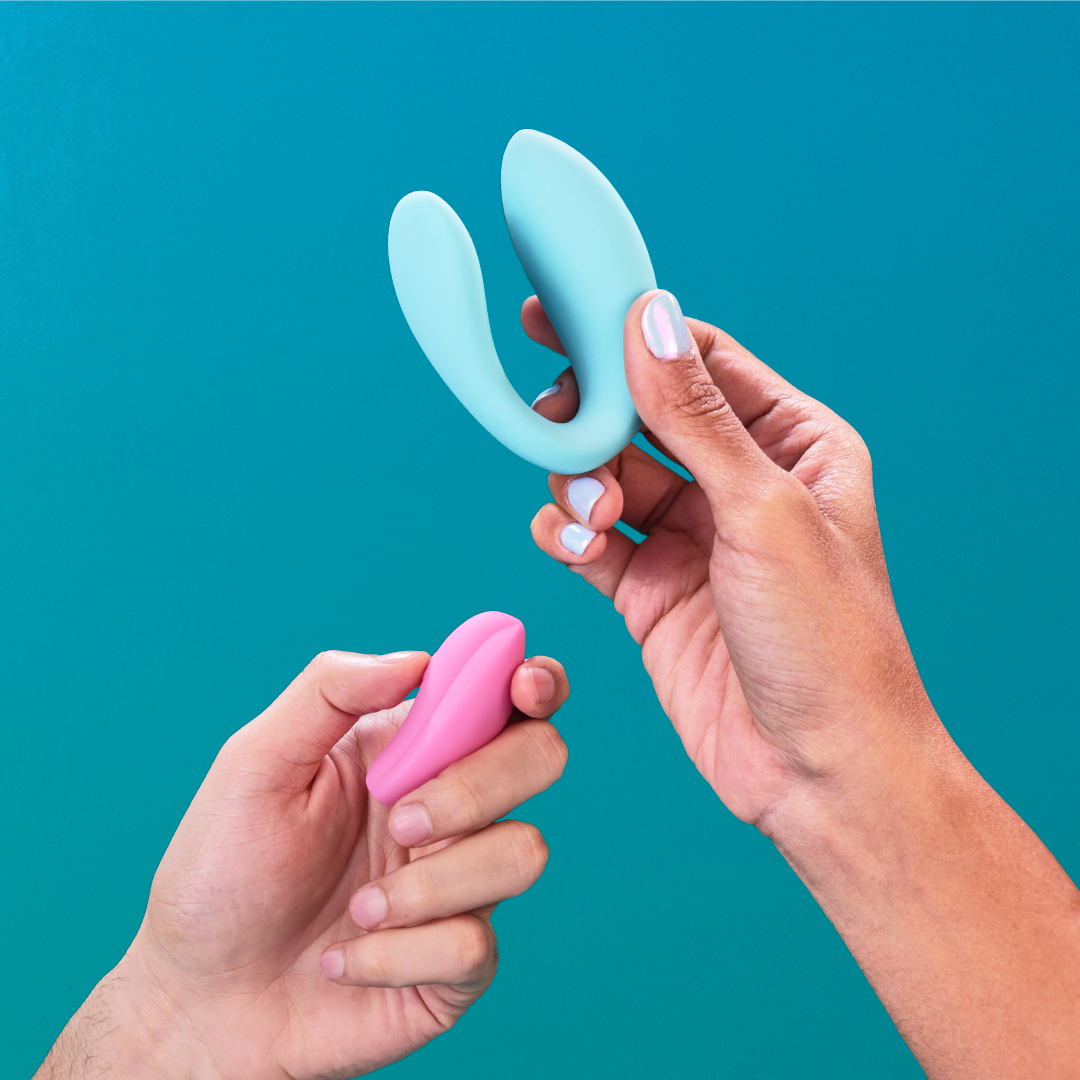
This is why two people can receive similar stimulation and experience it very differently. Discover couple toys to explore different options designed to enhance intimacy, communication, and shared experiences between partners.
Can You Have an Orgasm Without G Spot Stimulation?
Absolutely. You do not need to locate or stimulate a particular area to experience orgasm.
The clitoris plays a central role in female sexual pleasure, while sexual response varies considerably from person to person. Some people prefer external stimulation. Others enjoy penetration, a combination of sensations, or entirely different forms of touch.
The goal of sexual exploration should not be to pass a test by finding a particular spot. It should be to understand what feels comfortable and pleasurable for you.
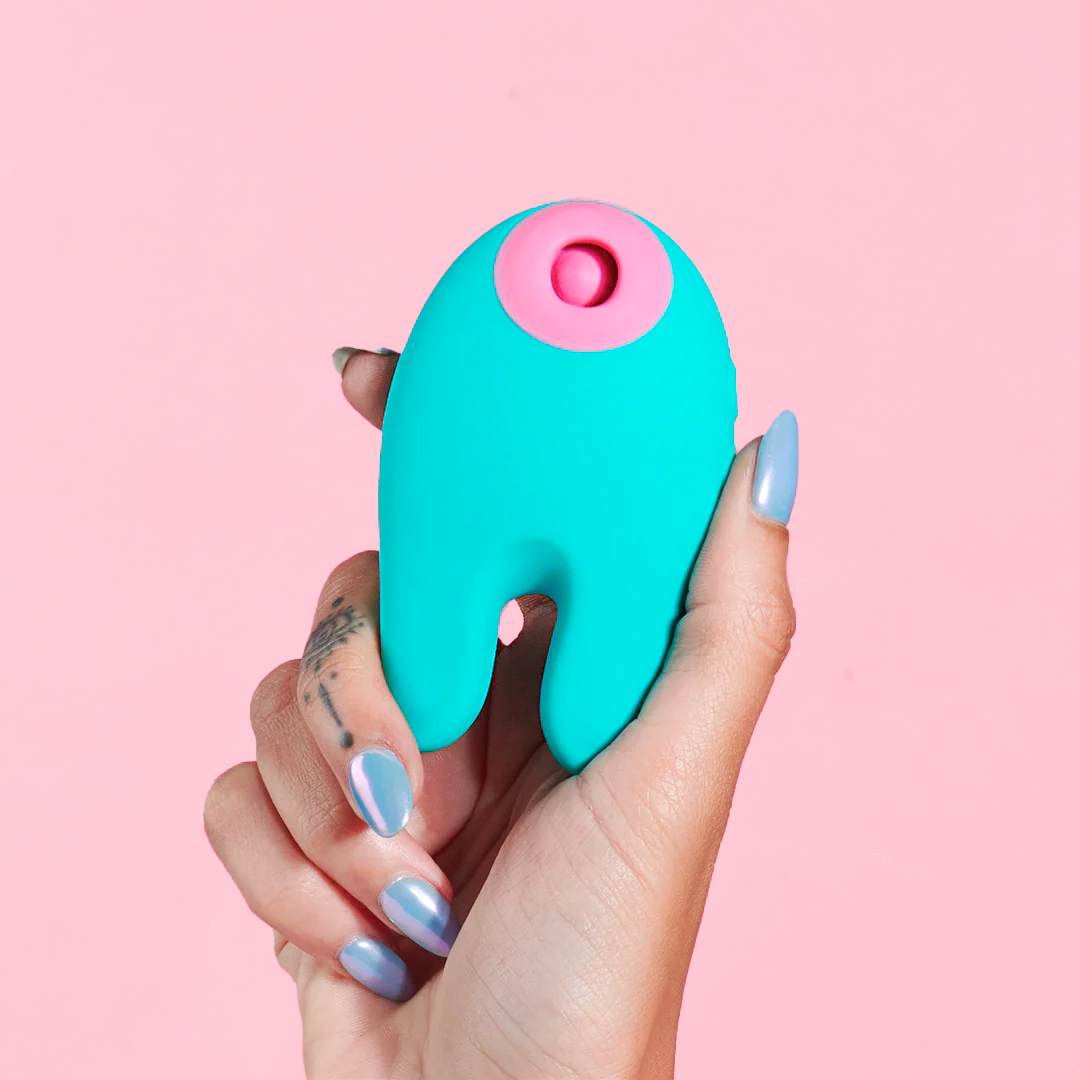
For people interested in external stimulation, Leezu’s Pyaari combines suction and vibration and is made from body-safe silicone. Lipstick is another compact external massager with 10 speeds and patterns. These products are best understood as options for exploring personal preference, not as tools for proving that a particular anatomical structure exists.
Discover Pyaari personal massager to learn about its features and how it can be incorporated into a comfortable personal wellness routine.
G Spot Stimulation: Why Comfort Matters
If you choose to explore internal stimulation, comfort should come before performance.


Dryness and friction can make intimate activity uncomfortable. Lubrication can help reduce friction and make touch feel more comfortable.
Leezu’s Love Jelly is a water-based lubricant formulated to reduce friction and relieve dryness. It is fragrance-free and flavour-free, and Leezu’s states that it is suitable for internal and external use and compatible with latex, silicone, and TPE.
Lubricant does not guarantee pleasure or make a particular form of stimulation necessary. Its practical role is simply to support comfort.
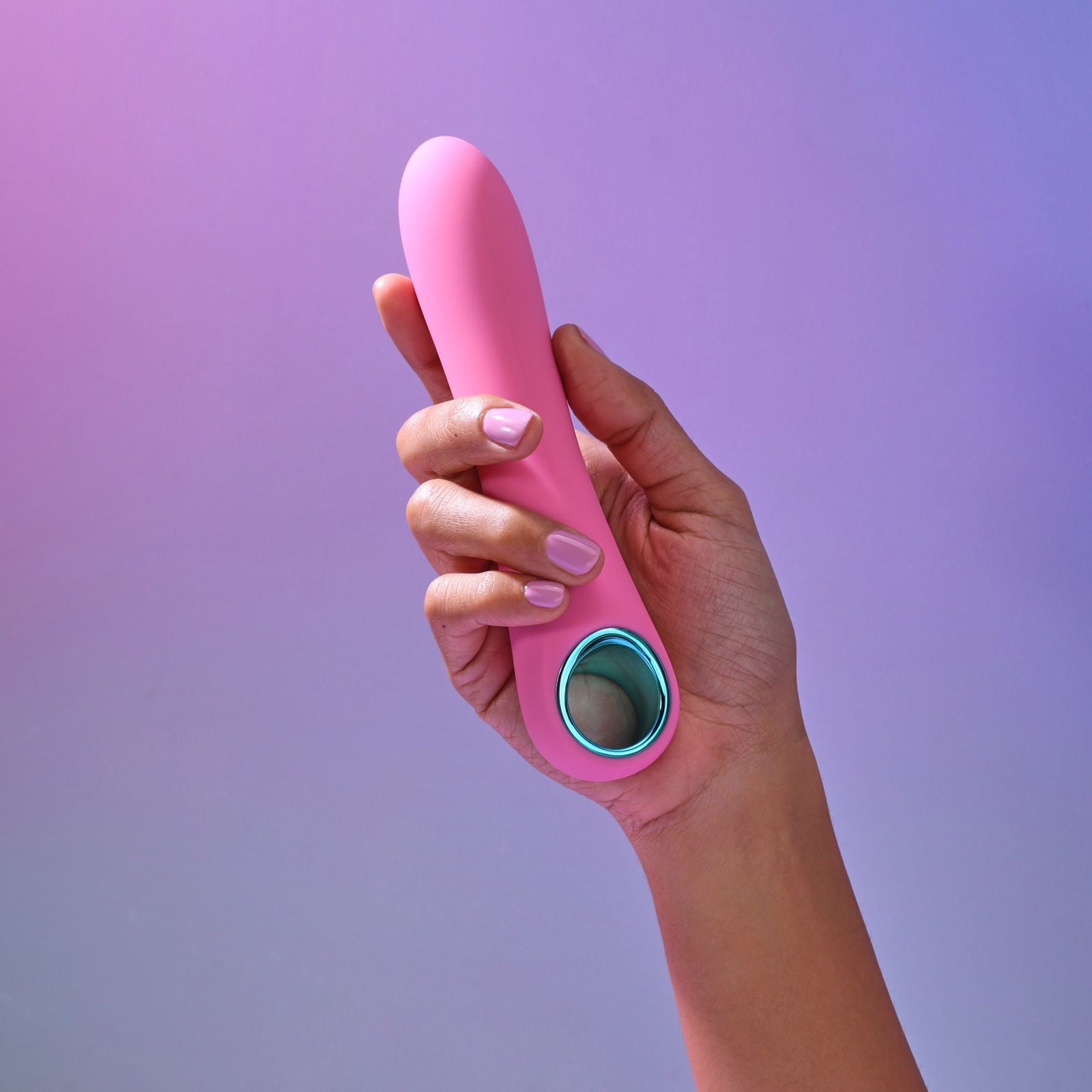
For those interested in internal exploration, Mini Jaadugar is a smaller internal women's massager designed as an approachable option for people who may be new to this type of product. Leezu’s also states that it can be used with its Love Jelly.
The important principle is that intimate products should support exploration, not create pressure to achieve a particular result. Explore best lubricant gel in India to learn about different lubricant types, their benefits, and how to choose a suitable option for comfort and compatibility.
Why Does the G Spot Debate Continue?
The debate continues partly because researchers have studied different questions using different methods.
A survey measures people's reported experiences. An ultrasound study examines anatomical features. A dissection study examines physical structures. A physiological study may investigate responses to stimulation. These methods provide different types of evidence, so their findings cannot always be treated as interchangeable.
There is also a terminology problem.
When someone says “G-spot,” they might mean:
- A sensation
- A particular area
- An anatomical structure
- A theory about orgasm
- A personal experience
Those are not necessarily the same thing.
This is why the evidence is stronger for the existence of reported pleasurable experiences than it is for the existence of one universally defined anatomical structure. Explore how to use a vibrator to learn about safe usage, hygiene, and practical tips for a comfortable and enjoyable personal wellness experience.
What Does Science Actually Agree On?
Science does not provide one universal map of sexual pleasure. It does, however, offer several useful conclusions.
The clitoris is an important structure in female sexual pleasure. Anatomical research has established its complex structure and extensive role in sexual response.
Individual variation matters. People do not experience touch, arousal, or orgasm in identical ways.
Sexual response is complex. Physical stimulation interacts with psychological, emotional, hormonal, cultural, and experiential factors.
The evidence does not justify pressure around finding one particular spot. The systematic review found substantial disagreement about the existence, location, size, and nature of a distinct structure.
As Leeza Mangaldas has consistently advocated through Leezu’s, conversations about intimacy should make people feel more informed and comfortable, not inadequate because their experience does not match a popular narrative.
Common G Spot Myths vs. What We Know
|
Myth |
What the evidence suggests |
|
Everyone has a G-spot |
Science has not established one distinct structure that can be consistently identified in everyone. |
|
Finding it guarantees orgasm |
No form of stimulation guarantees orgasm. |
|
It is completely separate from the clitoris |
Researchers have explored relationships between the clitoris, urethra, and anterior vaginal wall. |
|
Not feeling it means something is wrong |
Sensitivity and preferences naturally vary. |
|
You need it for sexual pleasure |
People can experience pleasure through many forms of stimulation. |
How Should You Think About the G Spot?
Think of the g spot as a term associated with a debated area and a range of reported experiences, rather than a guaranteed anatomical destination.
If a particular kind of stimulation feels pleasurable, that experience is valid. If it does not, there is nothing you need to fix.
This approach takes unnecessary pressure out of intimacy. You do not need to achieve an orgasm in a particular way, discover a supposedly magical point, or compare your body with someone else's.
Curiosity is useful. Pressure is not.
Leeza Mangaldas’ approach to intimacy education reflects the same principle: learning about your body should leave you feeling more informed, confident, and comfortable with your own experience. Discover how to choose a dildo by understanding different sizes, shapes, materials, and safety features to find an option that suits your comfort and preferences.
The Bottom Line
The g spot is best understood as a debated concept rather than a scientifically confirmed universal anatomical structure. Some people experience pleasure from stimulation in the area traditionally associated with it, while others do not. Both experiences are normal.
The bigger lesson is that pleasure is personal. There is no single button, technique, or experience that defines what intimacy should feel like.
Explore Pleasure Without the Pressure
You do not need to chase a mythical pleasure point to understand your body better. Start with curiosity, communication, comfort, and what genuinely feels good to you.
Explore Leezu’s range of intimate wellness products, from Pyaari and Mini Jaadugar to Lipstick and Love Jelly, and discover what works for you, without the pressure, comparison, or guesswork.
Explore Leezu’s intimate wellness collection and find your way to pleasure.
Frequently Asked Questions
Q1. How do you find the G spot?
The commonly described area is on the front wall of the vagina, but there is no universally established location or structure. Anatomy and sensitivity vary between individuals.
Q2. Can everyone feel the G spot?
No. People experience internal stimulation differently, and science has not established one distinct structure that everyone can feel.
Q3. Is the G spot a real anatomical structure?
It has not been scientifically established as one distinct, consistently identifiable anatomical structure. Research remains mixed.
Q4. Will finding the G spot guarantee an orgasm?
No. Orgasm depends on many factors, including stimulation, arousal, comfort, individual sensitivity, and psychological context.
Q5. What is the G spot connected to?
Research has examined relationships among the anterior vaginal wall, clitoris, urethra, and surrounding tissues. The exact anatomy behind reported sensations remains debated.
Q6. Why can I not feel the G spot?
Sensitivity varies naturally. You may also prefer other forms of stimulation. Not feeling pleasure in that area does not mean anything is wrong.
Q7. How does lubrication affect G spot exploration?
Lubrication can reduce friction and improve comfort during intimate activity. It does not guarantee pleasure or prove the existence of a particular anatomical structure.
Q8. Can a vibrator help with sexual exploration?
Yes. Different intimate products can provide different forms of stimulation. Leezu’s Pyaari, Lipstick, and Mini Jaadugar offer different approaches to exploration, so the right choice depends on individual preference.