Dilruba
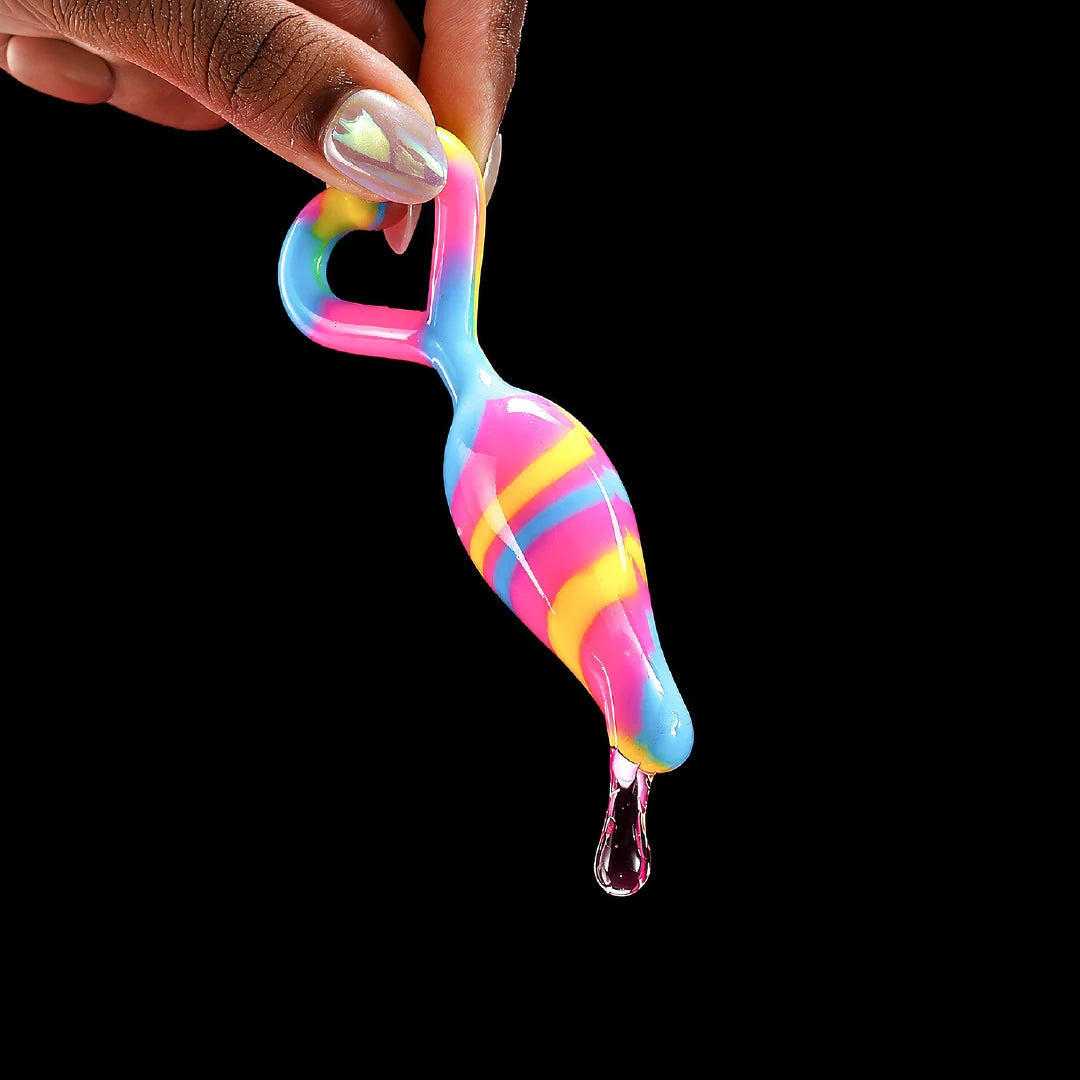 Leezu's Plug
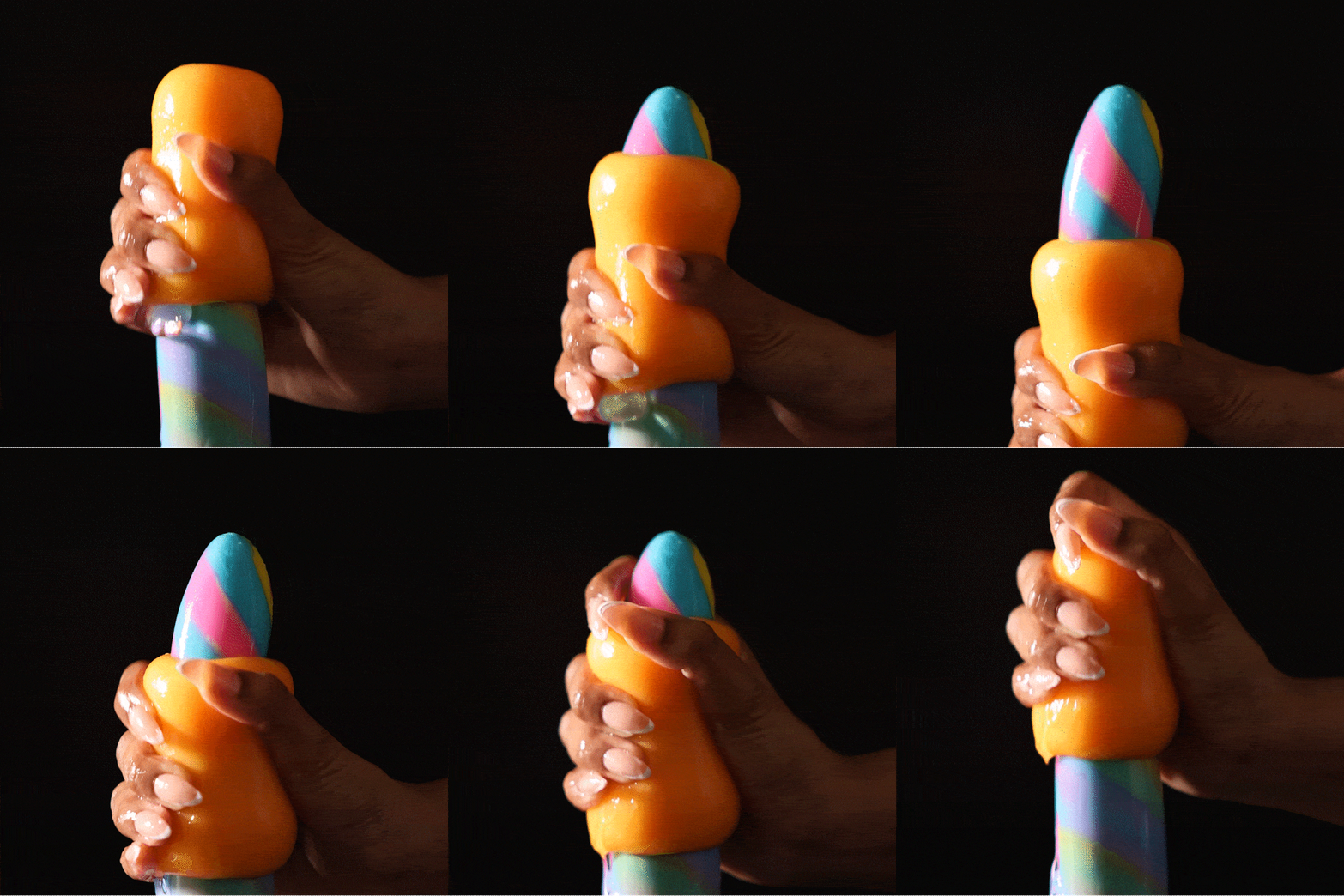 Khiladi
 Zubaan
 Peaché
 Dilbar
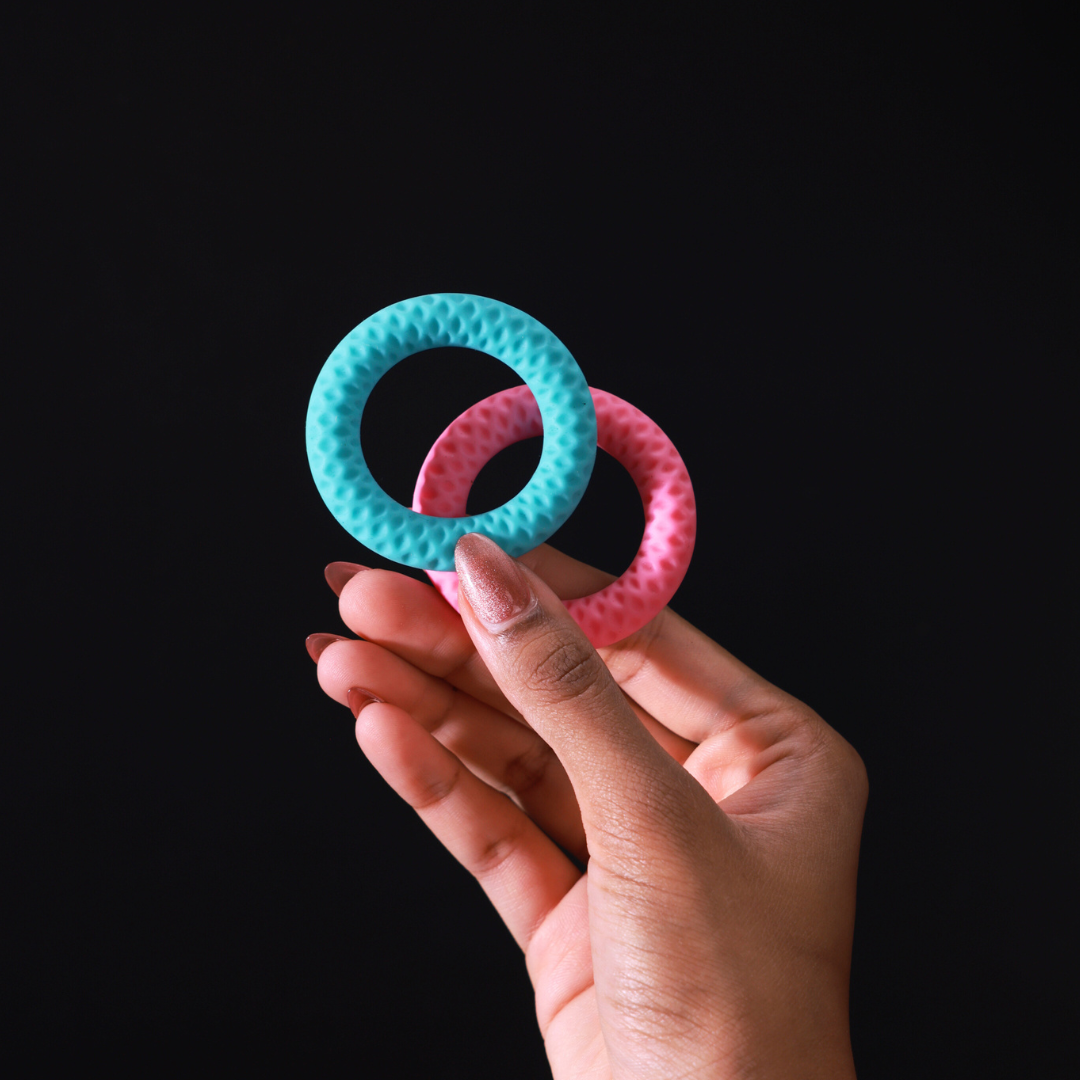 Power Rings
 Jaaneman
 Sultaan
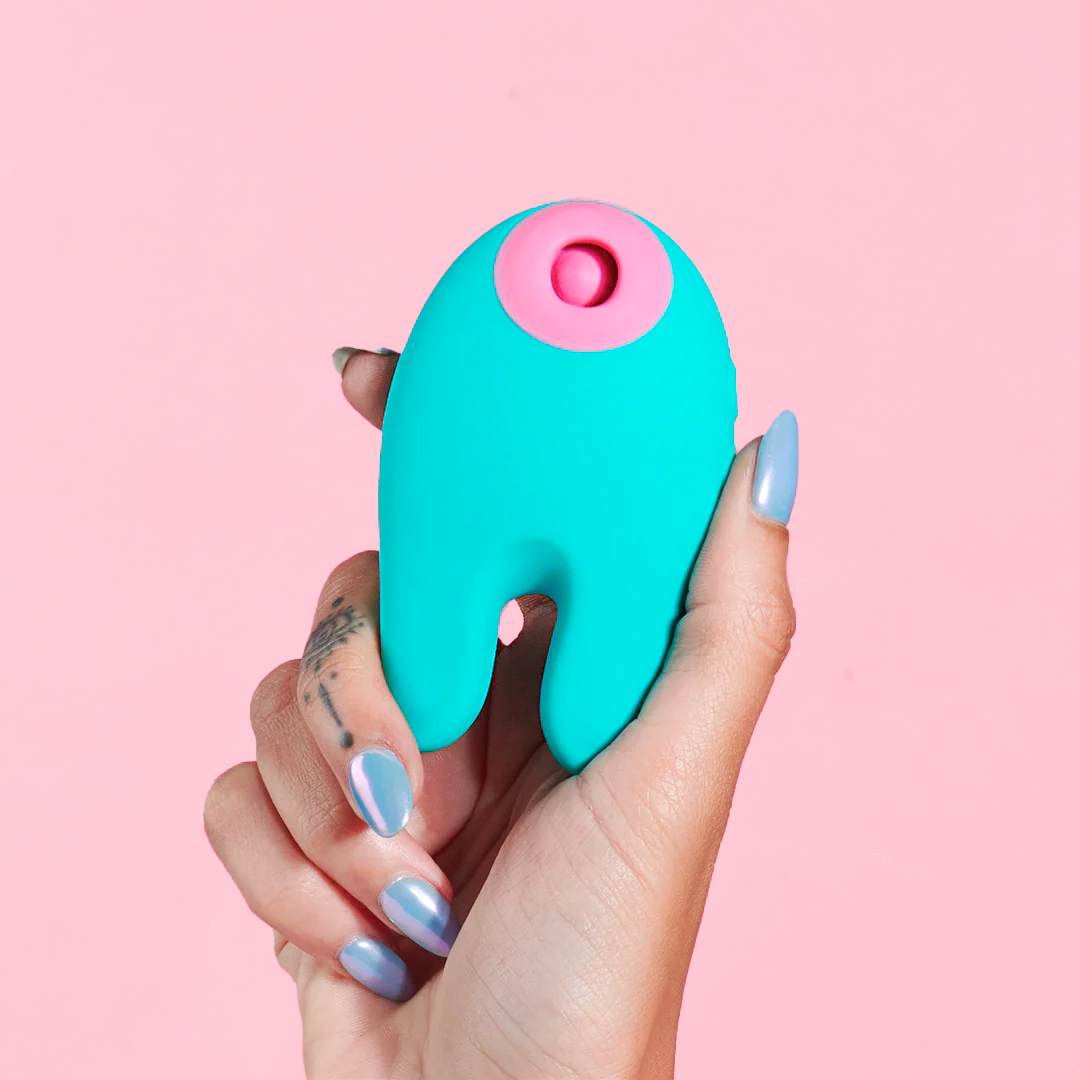 Pyaari
 Toofaan Intense
 Lipstick
 Jaadugar
 Natkhat
 FAQs
FAQs
 Track Your Order
 About Us


Squirting is the release of fluid through the urethra during sexual arousal or orgasm. Research shows that squirting fluid can contain urine-related components and may also contain secretions associated with the Skene’s glands. It is a normal variation in sexual response, and not everyone experiences it.
Squirting is a real physiological phenomenon, but the internet has wrapped it in plenty of myths. What is squirting, exactly, and is it the same as female ejaculation? The science is more nuanced than most viral claims suggest. At Leezu’s, we believe better information makes intimacy more comfortable, confident and enjoyable. Read on before exploring what works for your body.
What Is Squirting?
What is squirting in simple terms? It is the noticeable release of fluid through the urethra during sexual arousal, stimulation or orgasm. The amount can vary considerably, and the experience is different from person to person.
The important point is that squirting is not a performance benchmark. Some people experience it regularly, some occasionally, and others never do. None of these experiences indicates that something is wrong.
Scientific research has examined the source and composition of the fluid for decades. Current evidence indicates that squirting and female ejaculation can involve different physiological processes, although they can occur at the same time.
What Is Squirting Fluid Made Of?
One reason what is squirting remains such a frequently searched question is that the fluid does not fit neatly into the idea of either "urine" or "vaginal lubrication."
Research has identified urinary components in squirting fluid. Studies involving bladder imaging have also shown bladder filling followed by emptying during squirting. At the same time, some research has detected compounds associated with the Skene’s glands, including prostate-specific antigen (PSA).
That means the simplest explanation, "it is just pee", does not capture the whole picture.
The composition can vary, and scientific terminology is still not completely standardized. What matters is understanding that several types of fluid release can occur during sexual activity.
Squirting vs Female Ejaculation: Are They the Same?
What is squirting is often confused with female ejaculation, but the two terms can describe different phenomena.
A useful distinction is:
- Squirting generally refers to the release of a larger quantity of relatively clear fluid through the urethra.
- Female ejaculation generally refers to a smaller quantity of thicker fluid associated with the paraurethral or Skene’s glands.
- Both can happen during the same sexual experience.
A 2022 review distinguishes squirting from female ejaculation based on the origin and characteristics of the fluids, while acknowledging that the two can occur together.
So, if you have wondered whether squirting and female ejaculation are exactly the same thing, the answer is not necessarily. Explore personal body massager how to use to understand basic usage, hygiene, and make things more intense.
Is Squirting Urine?
This is probably the biggest myth surrounding the subject.
Squirting fluid can contain urine and urinary markers. Research has also found that the urinary bladder can fill during sexual stimulation and empty during squirting.
But saying that squirting is always nothing more than urine is an oversimplification.
Female ejaculation involves secretions from the Skene’s glands, which contain substances such as PSA. These glands sit around the urethra and are sometimes referred to as the female prostate because of their anatomical and biochemical similarities to the prostate in males.
The best scientific answer, therefore, depends on which type of fluid release is being discussed. Discover couple toys to explore different options designed to enhance intimacy, communication, and shared experiences between partners.
What Happens in the Body During Squirting?
So, what is squirting from a physiological perspective?
Sexual arousal produces changes throughout the pelvic region. Blood flow increases, tissues become more engorged, muscles respond to stimulation, and secretions can increase.
In squirting, fluid is expelled through the urethra. Research using imaging has shown changes in bladder volume associated with the phenomenon.
The experience can happen around orgasm, but squirting should not automatically be treated as synonymous with orgasm. Explore best lubricant gel in India to learn about different lubricant types, their benefits, and how to choose a suitable option for comfort and compatibility.
Does Squirting Always Happen During Orgasm?
No. Squirting can occur during sexual arousal or stimulation and does not necessarily mean that orgasm has occurred.
Likewise, someone can experience an orgasm without squirting.
There is no single sequence that every body follows during sexual response.
What Role Do the Skene’s Glands Play?
The Skene’s glands are small glands located around the lower end of the urethra. They are also called paraurethral glands and are sometimes described as the female prostate.
These glands can produce secretions during sexual stimulation. Their exact physiological role is still being studied, but research supports their involvement in female ejaculation.
This is another reason the answer to what is squirting cannot be reduced to a simple statement about urine.


It is also worth separating established anatomy from internet claims. For example, the existence of a specific anatomical "G-spot" structure has not been unequivocally confirmed by research.
How Common Is Squirting?
There is no single percentage that accurately represents everyone.
Studies use different definitions, participant groups and methods, so reported prevalence varies. Sexual experiences are also difficult to measure because people may feel embarrassed discussing them or may interpret the same physiological experience differently.
The more useful takeaway is this:
Squirting is common enough to be a recognized physiological phenomenon, but it is not something everyone experiences.
You do not need to squirt to have satisfying sex, experience orgasm or have a healthy sexual response.
Why Do Some People Squirt and Others Don't?
There is no single explanation.
Individual sexual responses are influenced by anatomy, arousal, stimulation, pelvic-floor activity, psychological comfort and many other factors. Research into squirting is still limited compared with research into other aspects of sexual physiology.
Not squirting does not mean your body is malfunctioning.
It also does not mean that you are "doing sex wrong." Sexual response varies enormously, and comparing your body with pornography or someone else's experience can create unnecessary pressure.
What If You Never Squirt?
Nothing is automatically wrong.
If you experience pleasure and have no concerning symptoms, there is no medical requirement to make squirting happen.
Sexual wellness is about understanding your own body rather than trying to reproduce a particular response.
Common Myths About Squirting
Myth 1: Squirting Isn't Real
It is real. Squirting has been documented and studied in clinical and anatomical research.
Myth 2: Squirting Is Always Just Urine
Urinary components can be present, but female sexual fluid release is more complicated than that. Squirting and female ejaculation can involve different fluids and mechanisms.
Myth 3: Everyone Should Be Able to Squirt
There is no scientific or medical requirement for someone to squirt. Sexual responses differ naturally.
Myth 4: Squirting Means You Had a Better Orgasm
Fluid release does not measure the quality of an orgasm. A satisfying sexual experience does not need a particular visible outcome.
Myth 5: You Need to Learn How to Squirt
You do not need to train yourself to squirt. Exploring pleasure can be enjoyable, but turning squirting into a target can create pressure that gets in the way of intimacy.
Is Squirting Normal and Healthy?
For most people, squirting can simply be part of their normal sexual response.
The important distinction is between a familiar sexual response and symptoms that suggest another health issue.
Speak with a healthcare professional if fluid release is accompanied by:
- Significant or persistent pain
- Burning during urination
- Blood in the urine
- Fever
- Strong or unusual odor
- Unusual discharge
- Persistent pelvic discomfort
These symptoms deserve medical attention because they can have causes unrelated to normal sexual fluid release.
Can Lubrication Make Intimacy More Comfortable?
Yes. Lubrication can reduce friction and make sexual activity more comfortable, particularly when natural lubrication is insufficient.
However, lubricant should not be presented as a way to cause squirting. Its role is comfort, not triggering a particular physiological response.
- Leezu’s Water-Based Love Jelly is a fragrance-free, flavour-free personal lubricant designed to reduce friction and relieve dryness and discomfort. It is suitable for internal and external use and is compatible with condoms and different toy materials.
- For people interested in external pleasure, Leezu’s Pyaari combines suction and vibration. It is made from body-safe silicone and offers multiple suction and vibration settings. Discover Pyaari personal massager to learn about its features and how it can be incorporated into a comfortable personal wellness routine.
- The Dream Team for Her, which pairs Pyaari with Love Jelly, brings stimulation and lubrication together without suggesting that either product guarantees a particular sexual response.
That distinction matters: products can support comfort and exploration, but bodies are not machines with identical outputs.
How Can You Explore Pleasure Without Making Squirting the Goal?
If you are curious about your sexual response, take the pressure off the outcome.
A better approach is to:
- Focus on sensations rather than performance.
- Communicate openly with a partner.
- Use lubrication when it improves comfort.
- Explore stimulation gradually.
- Stop if something hurts.
- Permit yourself to have an experience that looks different from what you see online.
Leeza Mangaldas has built Leezu’s around scientifically accurate, judgment-free conversations about relationships, bodies and pleasure. That philosophy matters here because curiosity should lead to understanding, not comparison or shame.
The Bottom Line
What is squirting? It is a documented form of fluid release through the urethra that can occur during sexual arousal or orgasm. Research shows that urinary components can be involved, while female ejaculation involves secretions associated with the Skene’s glands. The two phenomena can overlap, but they are not necessarily identical.
Most importantly, squirting is not a test of sexual health, attractiveness, orgasm or performance. Your body does not need to produce a particular response for your pleasure to be real.
Curiosity is a good reason to learn more. Pressure is not.
Leezu’s is here to make intimate wellness more informed, comfortable and judgment-free. When you are ready to explore, discover Leezu’s range of thoughtfully designed girls massagers and body-safe intimate wellness products, and find what feels right for you.
Frequently Asked Questions
Q1. What is squirting?
Squirting is the release of fluid through the urethra during sexual arousal or orgasm. The fluid can contain urinary components and may also involve secretions associated with the Skene’s glands.
Q2. How does squirting happen?
Squirting involves fluid being expelled through the urethra during sexual stimulation. Research indicates that bladder filling and emptying can be involved, while glandular secretions may also contribute to some forms of female ejaculation.
Q3. Can everyone squirt?
No. Some people experience squirting, while others never do. Not squirting is a normal variation in sexual response and does not indicate poor sexual health or inadequate pleasure.
Q4. Is squirting the same as female ejaculation?
Not necessarily. Squirting and female ejaculation can involve different fluids and mechanisms. They can also occur during the same sexual experience.
Q5. Will squirting happen every time you orgasm?
No. Squirting does not necessarily happen with every orgasm, and orgasm does not require squirting. Sexual responses can vary from one experience to another.
Q6. What is squirting fluid made of?
Squirting fluid can contain urine-related components. Research has also identified substances associated with the Skene’s glands in female ejaculate, making sexual fluid release more complex than simply classifying it as urine.
Q7. Why don't I squirt?
Bodies respond differently to sexual stimulation. Anatomy, arousal, stimulation, comfort and other factors can influence sexual response. There is no medical requirement to squirt.
Q8. Is squirting healthy?
Squirting can be a normal part of sexual response. However, pain, burning, blood, fever, unusual odor or persistent pelvic symptoms should be evaluated by a healthcare professional.