Dilruba
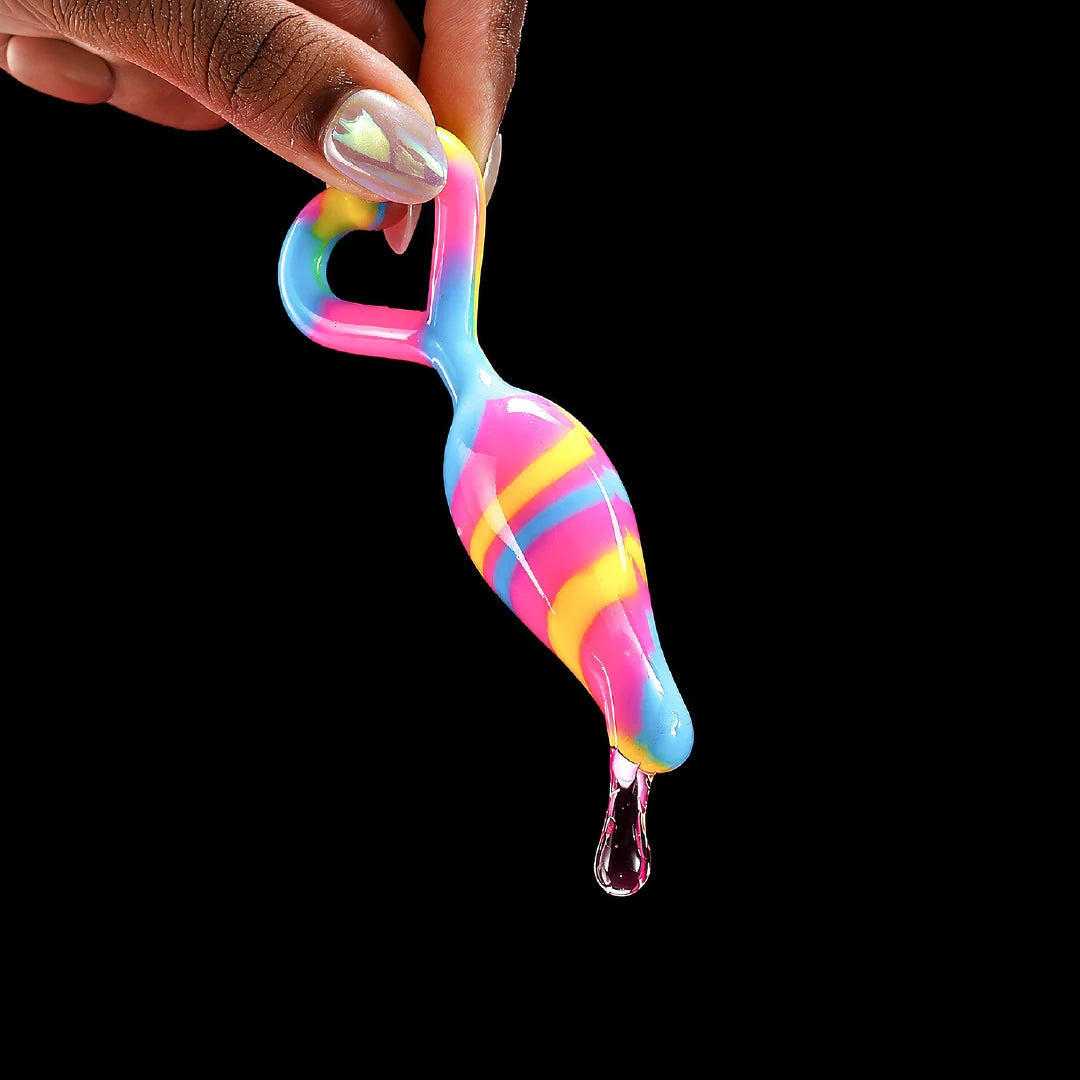 Leezu's Plug
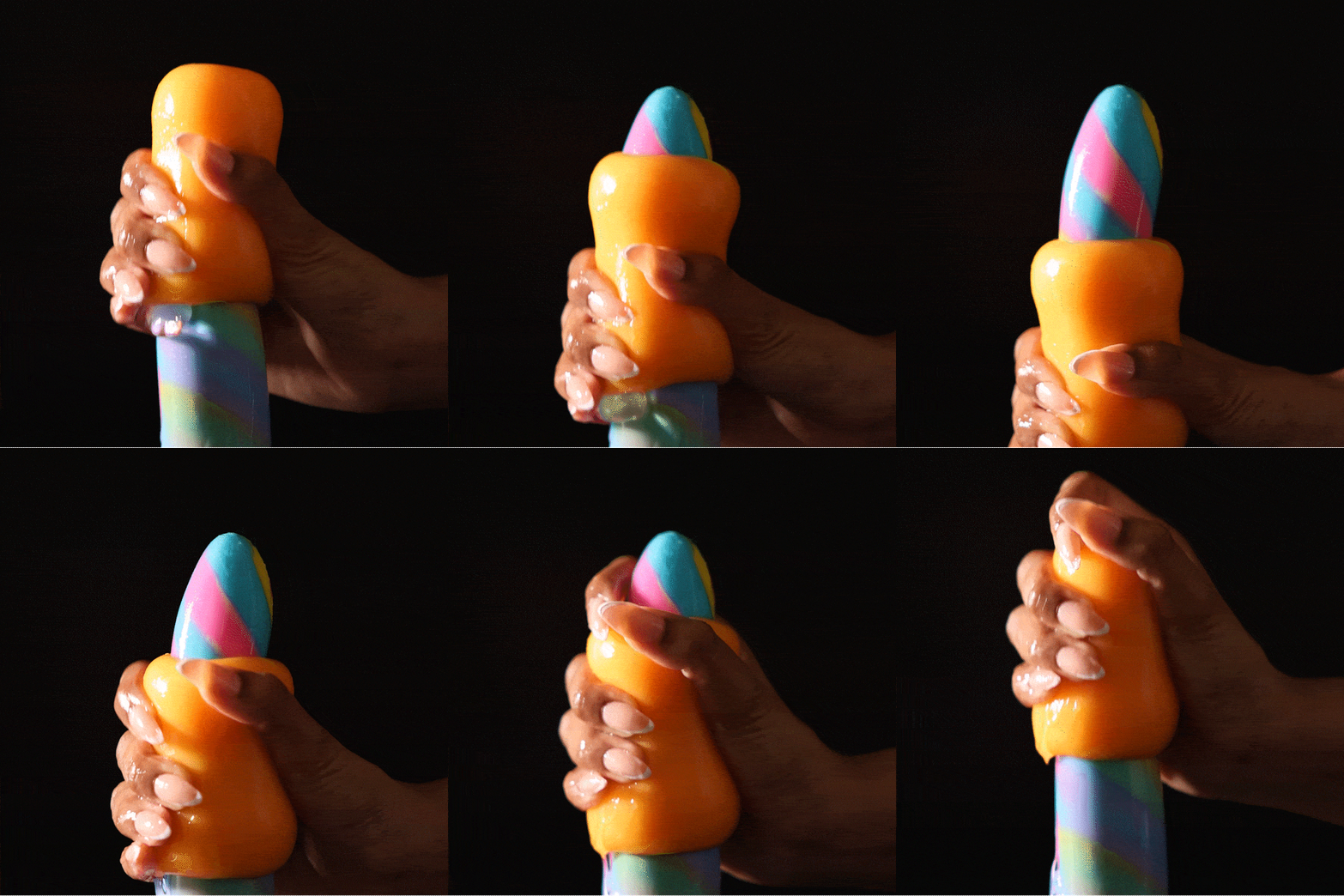 Khiladi
 Zubaan
 Peaché
 Dilbar
 Power Rings
 Jaaneman
 Sultaan
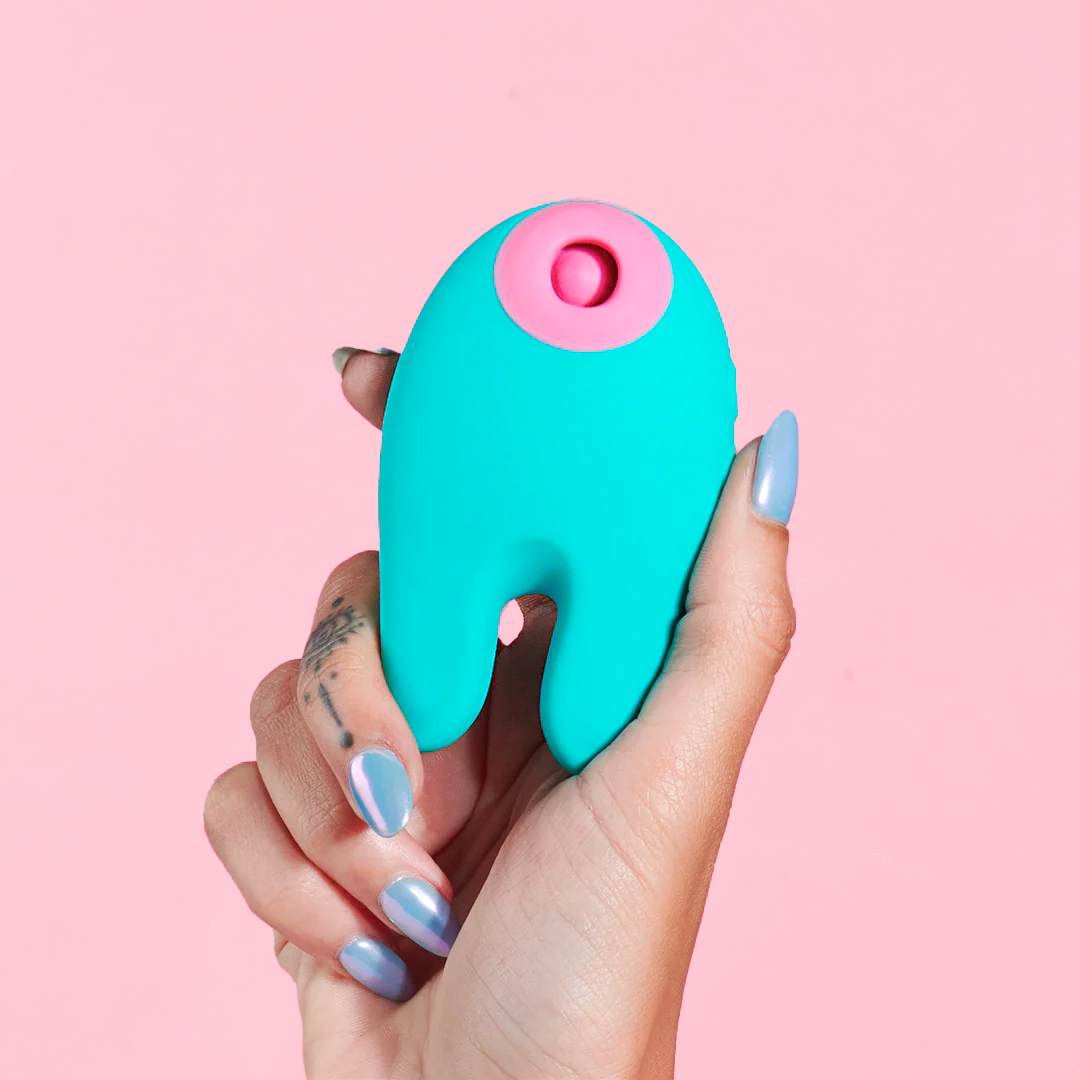 Pyaari
 Toofaan Intense
 Lipstick
 Jaadugar
 Natkhat
 FAQs
FAQs
 Track Your Order
 About Us


A UTI after sex can happen because sexual activity may move bacteria toward the urethra, allowing them to enter the urinary tract. Sexually active people, have a history of UTIs, or have certain risk factors may be more susceptible. Good hydration, healthy bathroom habits, and appropriate intimate hygiene may help reduce the risk.
Getting a UTI after sex is common, but it does not mean sex itself is an infection or that you have an STI. Sexual activity can make it easier for bacteria to enter the urinary tract. Understanding why this happens can help you protect your urinary health while keeping intimacy comfortable. And that is where informed, judgment-free sexual wellness matters.
Why Do You Get a UTI After Sex?
A urinary tract infection happens when bacteria enter the urinary tract and multiply. Sexual activity can increase the opportunity for bacteria to reach the urethra, particularly in people who are already prone to urinary infections.
This is why a UTI after sex may appear even when both partners maintain good personal hygiene. It is not necessarily a sign that either person has done anything wrong.
Anatomy also plays a role. People with shorter urethras have a shorter distance for bacteria to travel to the bladder, which is one reason UTIs are more common in women. Being sexually active is also recognised as a risk factor.
It is important to remember that a UTI and a sexually transmitted infection (STI) are different. A UTI is usually caused by bacteria entering the urinary tract; an STI is an infection transmitted through sexual contact. However, some STIs can produce urinary symptoms that resemble a UTI, so persistent or unusual symptoms deserve proper medical evaluation.
What Are the Symptoms of a UTI After Sex?
The symptoms can be uncomfortable and sometimes appear soon after sexual activity. Common bladder infection symptoms include:
- Burning or pain while urinating
- A frequent or intense urge to urinate
- Passing only small amounts of urine
- Lower abdominal or pelvic discomfort
-
Cloudy, bloody, or strong-smelling urine
These symptoms can have causes other than a UTI, so self-diagnosis is not always reliable.
If symptoms are accompanied by fever, chills, nausea, vomiting, or pain in your back, side, or groin, seek medical attention promptly. These symptoms can indicate that an infection has reached the kidneys and needs timely treatment.
How Soon After Sex Can a UTI Start?
There is no universal timetable for when symptoms will appear. If bacteria enter the urinary tract during or around sexual activity, symptoms may become noticeable afterward, but the timing alone cannot prove that sex caused the infection.
If you repeatedly notice urinary symptoms following intimacy, keep track of when they occur and discuss the pattern with a healthcare professional. This can be particularly useful if you experience recurrent infections.
How Can You Prevent a UTI After Sex?
There is no single trick that guarantees prevention, but several everyday habits can support urinary health.
Stay Hydrated
Drinking enough fluids helps your body produce urine regularly, which supports the natural process of flushing bacteria from the urinary tract. Water is generally the simplest choice.
Don't Hold Your Urine
Use the bathroom when you feel the need rather than regularly delaying urination. Healthy bathroom habits can support bladder health and may reduce the likelihood of infection.
Consider Urinating After Sex
You may have heard that going to the bathroom after sex can help prevent UTIs. It is a simple habit that healthcare guidance commonly recommends because urination can help flush away bacteria that may have entered the urethra during sex. However, it should not be treated as a guaranteed prevention method.
Keep Intimate Hygiene Gentle
Clean the genital area regularly, but avoid aggressive scrubbing. Douches, deodorant sprays, powders, and other potentially irritating intimate products can irritate the urethral area.
Use Enough Lubrication
Friction can make sexual activity uncomfortable, particularly when there is not enough natural lubrication. Using a suitable lubricant can make intimacy more comfortable and reduce friction. It should not, however, be marketed as a guaranteed way to prevent urinary infections.
For people looking to make intimacy more comfortable, Leezu’s offers a dedicated range of lubes and intimate wellness products alongside its pleasure collection. The focus is on making conversations around intimacy more informed and approachable.
Clean Intimate Products Properly
Sex toys should be cleaned according to their care instructions. If toys are shared, appropriate cleaning or barriers can provide an additional hygiene measure. Keeping products clean is a sensible part of an overall intimate wellness routine.
Does Peeing After Sex Prevent UTIs?
Peeing after sex may help flush bacteria that could have entered the urethra during sexual activity, which is why it is commonly recommended as a simple preventive habit.
However, it is not a guarantee that you will avoid an infection. UTIs have multiple risk factors, and some people develop recurrent infections despite following good hygiene and bathroom habits.


If you regularly experience a UTI after sex, don't assume that you simply need to drink more water or change your hygiene routine. Repeated infections deserve a conversation with a healthcare professional.
Can You Have Sex When You Have a UTI?
Sex may be uncomfortable when you have a UTI because the affected urinary and genital areas can already feel irritated. Taking a break until you feel better can make recovery more comfortable.
A UTI itself is not generally considered an STI, so you do not need to think of it as something you have “caught” from your partner. However, if symptoms could be related to an STI, appropriate testing and medical advice are important.
If sexual activity consistently triggers discomfort or urinary symptoms, it is worth discussing the pattern with a healthcare professional rather than simply avoiding intimacy indefinitely.
Explore, Leezus self-care merch to make things more interesting and exciting.
What If You Keep Getting UTIs After Sex?
Recurrent infections can be frustrating, particularly when they seem to follow intimacy every time. Repeated episodes should be evaluated rather than treated as an unavoidable part of your sex life.
A healthcare professional may review your symptoms, medical history, sexual activity, contraception, previous infections, and test results. Certain contraceptive methods, including diaphragms and spermicides, may increase the risk of bladder infections in some people.
For people with recurrent infections, a clinician may discuss preventive approaches tailored to their individual situation. In some cases, medical treatment may include antibiotics, but these should be used under appropriate professional guidance rather than taken casually.
Explore our products for couples to enhance your shared experience.
How Is a UTI After Sex Treated?
When a bacterial bladder infection is diagnosed, healthcare professionals commonly treat it with antibiotics. The specific medicine and duration depend on factors such as the infection, medical history, and whether infections keep returning.
Drinking enough fluids can support recovery, but water is not a substitute for appropriate medical treatment when an infection requires antibiotics.
It is also important not to assume every episode of burning or frequent urination is a UTI. Other urinary, vaginal, or sexual-health conditions can cause similar symptoms. Proper assessment can help identify the actual cause and prevent unnecessary antibiotic use.
Leeza Mangaldas, founder of Leezu’s, has built the brand around scientifically accurate, judgment-free conversations about relationships, gender and the body. That philosophy is especially relevant here: understanding your body should make intimacy feel more informed, not more intimidating.
Explore our other wellness products for him to discover more ways to enhance pleasure and well-being.
UTI After Sex vs STI: What's the Difference?
|
UTI |
STI |
|
Usually involves bacteria entering the urinary tract |
Is transmitted through sexual contact |
|
Often affects the bladder or urethra |
Can affect the genitals, urinary tract or other areas |
|
Is not generally classified as an STI |
Requires consideration of sexual exposure |
|
May cause burning and frequent urination |
Can sometimes cause similar urinary symptoms |
Because the symptoms can overlap, testing may be important when symptoms are unusual, persistent, recurrent, or associated with possible STI exposure.
A Healthier Approach to Intimacy Starts With Understanding
A UTI after sex does not mean you have to associate intimacy with discomfort. Learning your body's patterns, practising sensible urinary and intimate-care habits, and seeking professional guidance when symptoms recur can help you make more informed choices.
As Leeza Mangaldas puts it through Leezu’s philosophy, intimacy should be approached with kinder, safer, and more informed decisions.
When comfort, communication and body awareness become part of sexual wellness, taking care of yourself does not have to take away from pleasure.
Also, explore our other wellness products for her to enhance your pleasure and well-being.
Explore Intimate Wellness With Leezu’s
Ready to make comfort and confidence part of your intimate routine? Explore Leezu’s collection of lubricants, intimate wellness essentials, and pleasure products designed to make conversations about intimacy easier and experiences more enjoyable. With discreet packaging and a broad range of products for different preferences, Leezu’s brings sexual wellness into everyday self-care.
Discover Leezu’s intimate wellness collection and find products that fit your comfort, curiosity, and way of enjoying intimacy.
Medical note: This article is intended for general educational purposes and is not a substitute for diagnosis or treatment from a qualified healthcare professional. If you have persistent, severe, or recurrent urinary symptoms, seek appropriate medical care.
FAQs
Q1. How Can I Prevent a UTI After Sex?
Stay hydrated, avoid holding urine, maintain gentle intimate hygiene and consider urinating after sex. If infections repeatedly occur after intimacy, speak with a healthcare professional.
Q2. Can Sex Cause a UTI?
Yes. Sexual activity can increase the chance of bacteria entering the urethra and urinary tract, particularly in people who are already susceptible to UTIs.
Q3. Is a UTI After Sex an STI?
No. A UTI is generally caused by bacteria entering the urinary tract and is not classified as an STI. However, some STIs can cause similar urinary symptoms.
Q4. Will Peeing After Sex Stop a UTI?
Not necessarily. Urinating after sex may help flush bacteria from the urethra, but it cannot guarantee that an infection will not develop.
Q5. What Should I Do If I Keep Getting UTIs After Sex?
Keep track of when symptoms occur and consult a healthcare professional. Recurrent infections may need testing and an individualised prevention or treatment plan.
Q6. Why Do I Get a UTI After Sex So Often?
Sexual activity can increase bacterial movement toward the urethra, but recurrent infections can also involve factors such as anatomy, contraception, menopause or incomplete bladder emptying.
Q7. Can Lubricant Prevent a UTI?
Lubricant can reduce friction and make sex more comfortable, but it should not be considered a guaranteed UTI-prevention method.
Q8. How Do I Know If My Symptoms Need Medical Attention?
Seek medical advice for UTI symptoms, particularly if you develop fever, chills, vomiting, or pain in your back, side or groin. These can be signs of a kidney infection.