 Leezu's Plug
 Khiladi
 Zubaan
 Peaché
 Dilbar
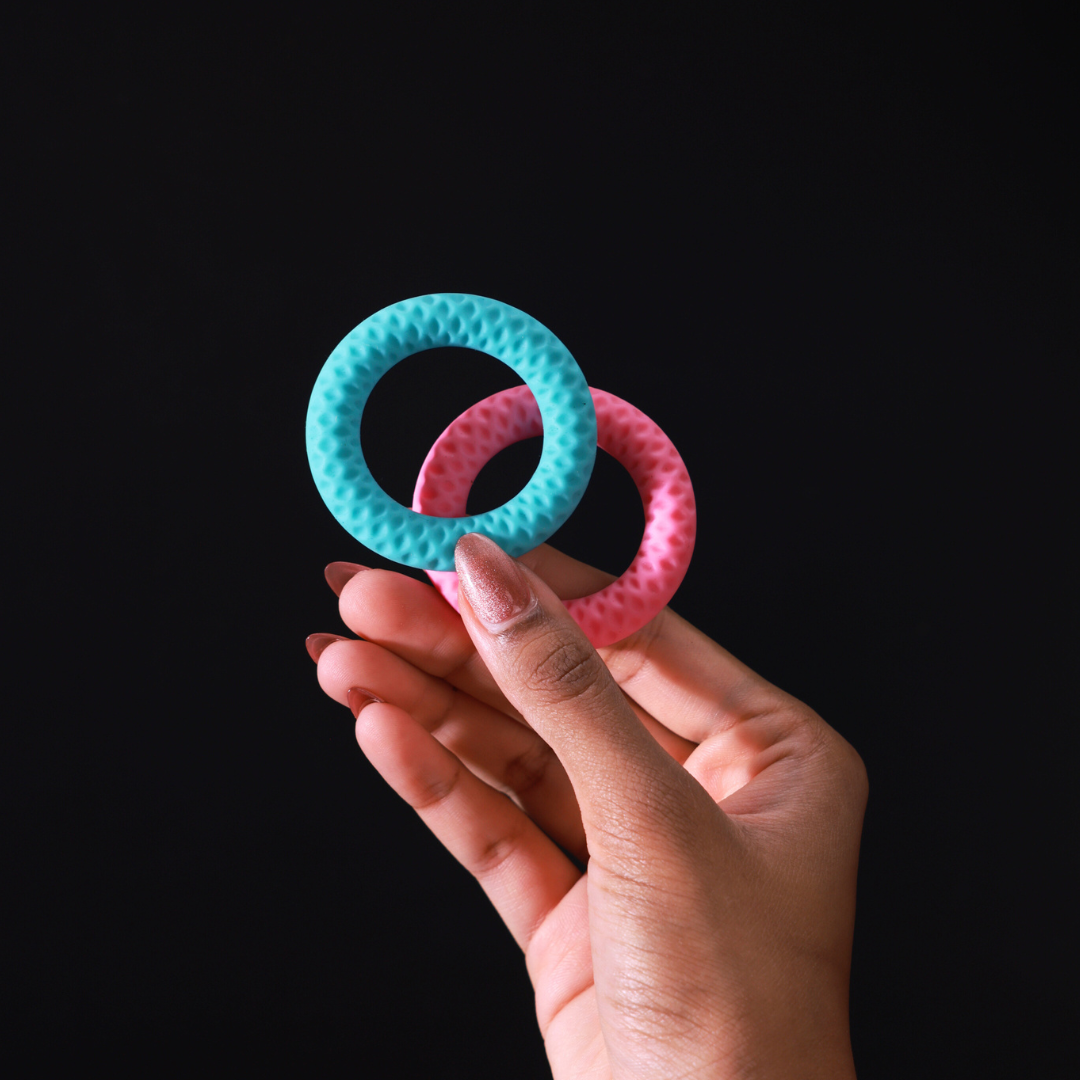 Power Rings
 Jaaneman
 Sultaan
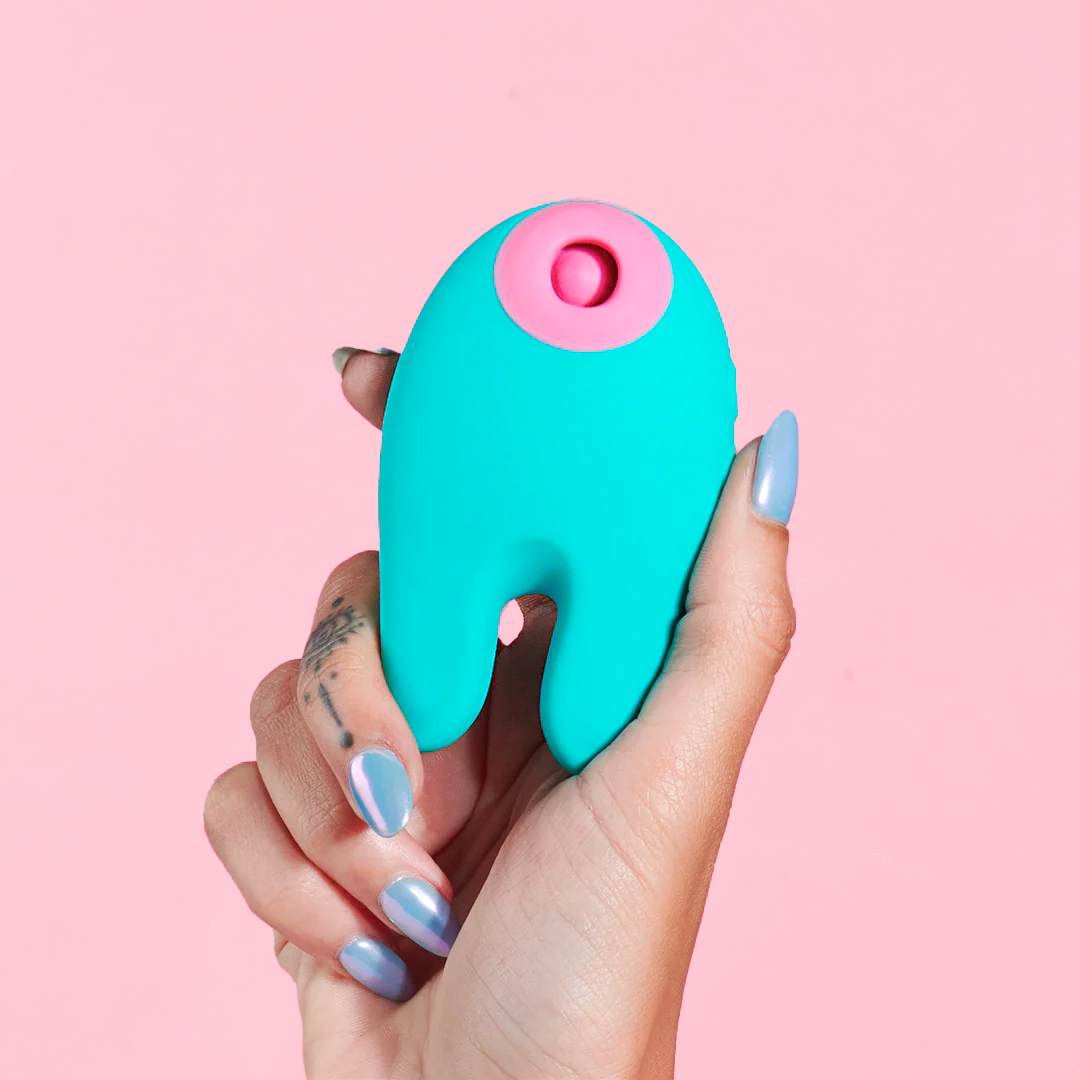 Pyaari
 Toofaan Intense
 Lipstick
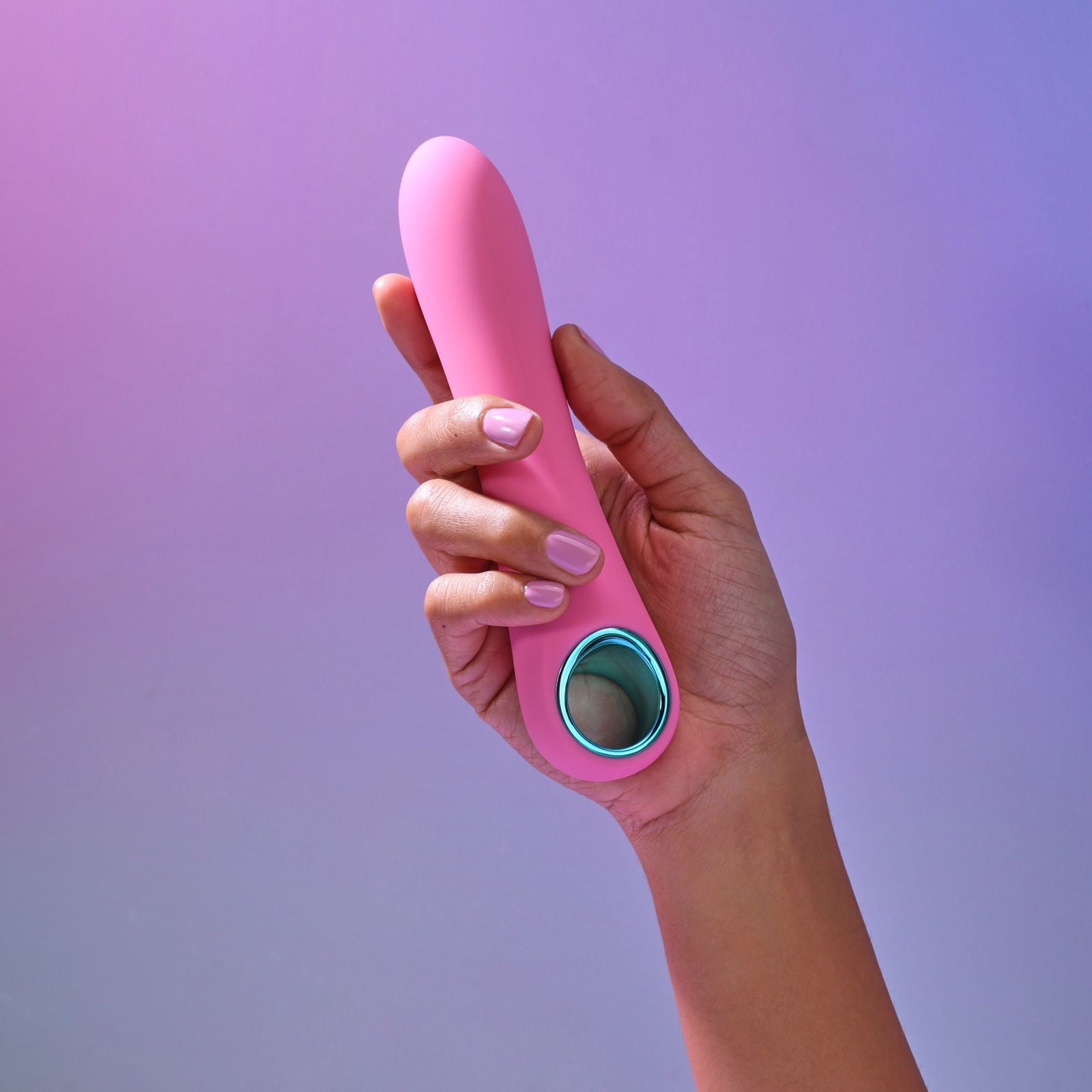 Jaadugar
 Natkhat
 FAQs
FAQs
 Track Your Order
 About Us


Mismatched libido is common when partners have different levels of sexual desire, and it does not automatically mean a relationship is unhealthy. One person may want sex more often while the other needs more time, emotional connection, or rest. The key is respectful communication, consent, and finding forms of intimacy that feel comfortable for both partners.
Mismatched libido does not mean you and your partner are incompatible. Desire naturally changes with stress, health, emotions, hormones, and life circumstances. What matters is how you handle the difference together, with honesty rather than blame, pressure, or guilt. At Leezu’s, we believe intimacy starts with understanding each other. And sometimes, that conversation opens the door to something deeper.
What Does Mismatched Libido Mean?
Mismatched libido simply means two partners have different levels or frequencies of sexual desire. One partner may frequently initiate intimacy, while the other may rarely feel the urge, or may prefer intimacy in different circumstances.
There is no universal “normal” amount of sex that every couple should have.
Sexual desire can also change throughout a relationship. Someone who once wanted sex frequently may experience a period of lower desire because of stress, exhaustion, medication, relationship tension, pregnancy, postpartum changes, menopause, or other factors.
Likewise, a person with a generally low level of desire may experience periods when they want more intimacy.
Is It Normal for Couples to Have Different Sex Drives?
Yes. Different sex drives are a normal part of many relationships.
The problem usually isn't the difference itself. It is what happens when partners interpret that difference personally.
The higher-desire partner may think:
- “They're not attracted to me anymore.”
- “They don't love me.”
- “Why am I always being rejected?”
The lower-desire partner may think:
- “I'm constantly being pressured.”
- “Something is wrong with me.”
- “I can't say no without hurting them.”
When these assumptions go unspoken, frustration can slowly replace affection.
Why Do Couples Experience Mismatched Libido?
There is rarely one single explanation for differences in sexual desire. Desire is influenced by physical, psychological, emotional, and relationship factors.
Stress, Fatigue and Mental Load
Long workdays, parenting, financial concerns, poor sleep, household responsibilities, and simply having too much on your mind can make intimacy feel like another task on an already crowded list.
For some people, desire appears only after they have had time to relax and feel mentally present.
Hormonal and Physical Changes
Bodies change, and sexual desire can change with them.
Hormonal fluctuations, aging, pregnancy, postpartum experiences, menopause, illness, pain, and changes in general wellbeing may influence libido.
If a significant or persistent change in desire concerns you, speaking with a qualified healthcare professional is a sensible first step.
Medication and Health Factors
Certain medications and health conditions can affect sexual desire or sexual function.
That doesn't mean medication should be stopped or changed without medical guidance. Instead, talk to your doctor if you suspect a health-related factor may be affecting your intimate life.
Emotional Connection
Sexual desire isn't completely separate from the relationship itself.
Unresolved arguments, resentment, feeling criticized, lack of affection, poor communication, or emotional distance can all affect how comfortable someone feels being intimate.
For some couples, rebuilding emotional closeness may be an important part of rebuilding sexual connection.
Spontaneous and Responsive Desire
Not everyone experiences desire in the same way.
Spontaneous desire can feel like sexual interest appearing naturally and unexpectedly.
Responsive desire may develop after affectionate touch, emotional closeness, relaxation, or other pleasurable experiences have already begun.
Understanding this distinction can prevent couples from assuming that desire must always arrive before intimacy begins.
What Happens When One Partner Wants More Sex?
When mismatched libido becomes a recurring source of conflict, couples can get caught in a painful cycle.
One partner initiates. The other says no. The initiator feels rejected and tries again later. The other partner begins anticipating pressure and pulls away.
Over time, this can become:
Initiation → rejection → hurt → pressure → withdrawal → more distance
Neither person necessarily intends to create this cycle. Yet both can become trapped inside it.
The Higher-Desire Partner May Feel Rejected
A repeated “no” can feel much bigger than a declined sexual invitation. It may be interpreted as rejection of the person themselves.
That can lead to:
- Insecurity
- Frustration
- Loneliness
- Resentment
- Feeling undesirable
But a partner's lack of desire at a particular moment does not automatically mean a lack of attraction or love.
The Lower-Desire Partner May Feel Pressured
Repeated requests, disappointment, guilt, or arguments after rejection can make intimacy feel emotionally unsafe.
When someone begins associating sex with pressure, they may become even less interested in initiating or responding to intimacy.
This is why consent and emotional safety should remain central to every conversation about sexual desire.


How to Deal With Mismatched Libido in a Relationship
The goal isn't to make both partners want exactly the same amount of sex. The goal is to understand each other's needs and find ways to stay connected without coercion.
1. Stop Treating Desire Like a Competition
There is no winner in a relationship where one person wants more and the other wants less.
Instead of asking, “Who is being unreasonable?” try asking:
“What is each of us experiencing, and what do we need?”
That small change can move the conversation from blame to teamwork.
2. Talk About It Outside the Bedroom
Don't wait until one person has just been rejected to discuss your sex life.
Choose a calm, private moment and speak honestly.
Try:
- “I miss feeling close to you.”
- “I'd like to understand what intimacy feels like for you lately.”
- “Is there anything making it harder for you to feel desire?”
- “What helps you feel relaxed and connected?”
Listening is just as important as explaining your own needs.
3. Don't Take Every “No” Personally
A “no” to sex is not necessarily a “no” to the relationship.
Your partner could be exhausted, distracted, stressed, uncomfortable, or simply not interested at that moment.
Likewise, the lower-desire partner should be able to communicate a boundary without being punished emotionally for it.
Respect creates safety. Safety can make honest intimacy easier.
4. Find Intimacy Beyond Intercourse
Intimacy doesn't have to follow one fixed script.
Couples can reconnect through:
- Cuddling
- Kissing
- Massage
- Holding hands
- Flirting
- Date nights
- Taking a bath together
- Talking without phones
- Exploring pleasure together
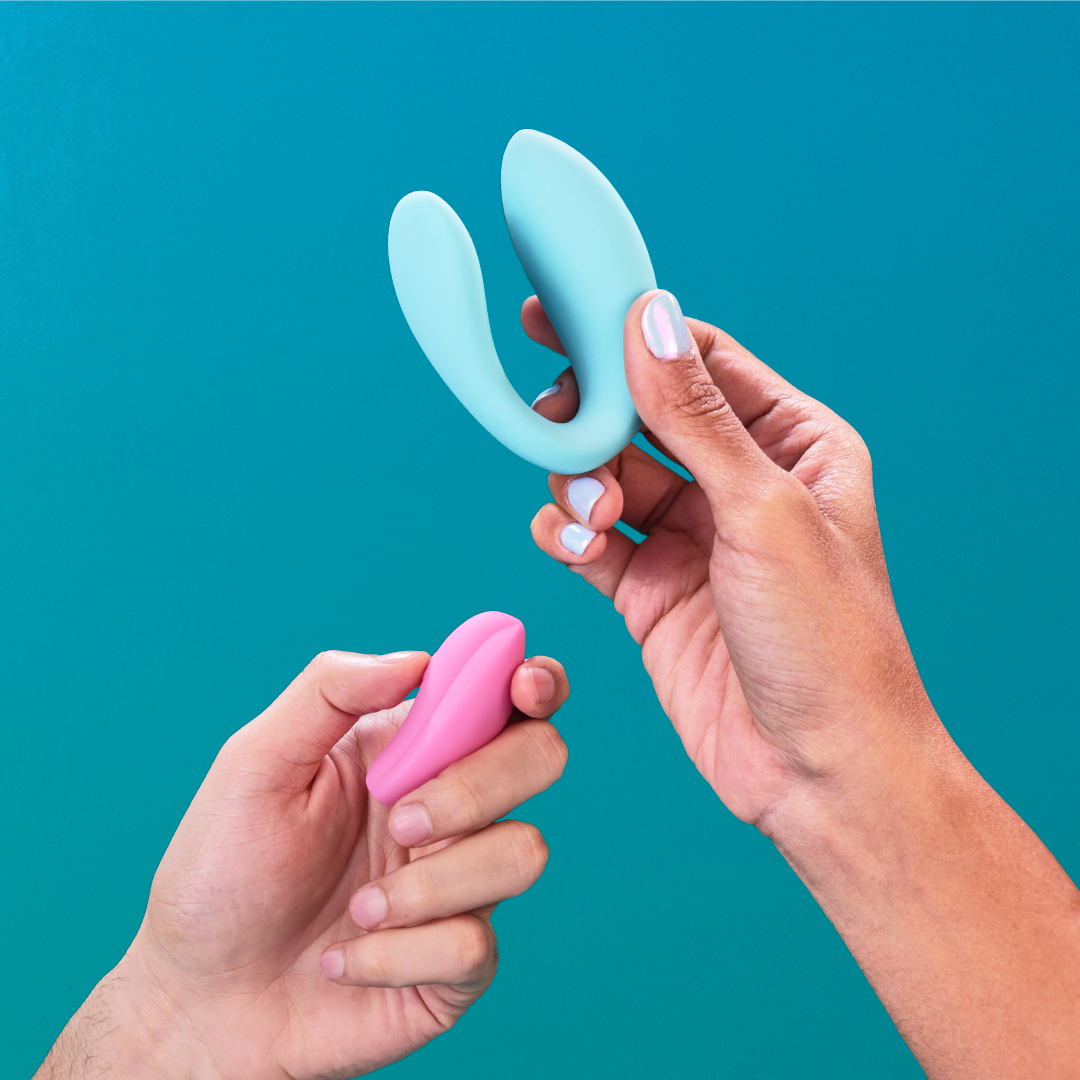
For couples who enjoy sexual wellness products, something like Jaaneman can introduce shared play, while Natkhat offers another way to explore together.
The point isn't to use a product to “fix” a desire difference. It is to create another opportunity for mutual curiosity and connection.
5. Make Room for Playfulness
When sex becomes a source of tension, couples can start overthinking every interaction.
Playfulness can help take some of that pressure away.
Tann Mann Dil and Extremely Naughty Cards can give couples prompts and playful ways to talk, flirt, and explore their connection.
For personal exploration that can later become part of partnered intimacy, Pyaari may also be an option for couples who are comfortable discussing and exploring pleasure together.
The most important ingredient is mutual interest, not obligation.
What Not to Do When Your Libidos Don't Match
Some reactions can make the problem significantly harder.
Don't Use Guilt
Statements such as “If you loved me, you'd want sex” turn intimacy into a test of love.
Love should not have to be proven through sexual availability.
Don't Pressure Your Partner
Consent doesn't disappear because you are in a committed relationship.
Both partners should be able to say yes, no, or not right now without fear of punishment, manipulation, or emotional retaliation.
Don't Keep Score
Counting who initiated, who rejected whom, or how often you had sex can turn intimacy into an accounting exercise.
Instead, focus on understanding patterns and improving connection.
Don't Assume Something Is Permanently Wrong
A period of lower desire doesn't necessarily define your relationship forever.
Desire can change as circumstances change.
Can Mismatched Libido Be Resolved?
Sometimes the difference becomes smaller. Sometimes it doesn't.
The healthier goal is not necessarily to eliminate the difference but to learn how to navigate it respectfully.
A couple might explore:
- Different forms of affection
- More intentional time together
- Better communication around initiation
- Reduced pressure
- Shared intimate experiences
- Personal space and rest
- Professional support when needed
There is no single compromise that works for every couple.
A compromise should never mean someone feels obligated to engage in sexual activity they do not want. Instead, couples can negotiate how they create opportunities for connection while respecting individual boundaries.
When Should Couples Seek Professional Help?
If mismatched libido is creating repeated arguments, resentment, emotional distance, or significant distress, professional support can be worthwhile.
Consider speaking with a qualified healthcare professional or relationship/sex therapist if:
- Desire has changed suddenly or dramatically.
- Pain or physical discomfort is involved.
- You suspect medication or a health condition may be contributing.
- Conversations about sex repeatedly turn into arguments.
- One or both partners feel pressured or rejected.
- Resentment is affecting other parts of the relationship.
- You feel stuck despite trying to communicate.
Therapy isn't a sign that a relationship has failed. Sometimes it simply gives couples a safer space to have conversations that are difficult to navigate alone.
At Leezu’s, we believe better intimacy begins with better conversations. If you and your partner need deeper relationship support, consider working with a qualified therapist or couples counsellor who can help you understand the emotional and relational patterns underneath the issue.
Leezu’s Approach to Shared Intimacy
At Leezu’s, intimacy isn't about chasing a particular number of sexual encounters or convincing someone to want more.
It's about curiosity, communication, pleasure, and making room for both partners.
Our couple-focused range includes options such as The Lover's Bundle, Dilbar, Power Rings, Zubaan, Jaadugar, Too Hot To Handle, Wetter The Better, You'll See Stars, and I Believe in Magic.
Each couple is different, so what feels exciting, comfortable, or useful will vary.
The philosophy is simple: explore together, communicate openly, and never replace consent with expectation.
Final Thoughts: Different Libidos Don't Have to Mean Disconnection
Mismatched libido can be frustrating, but it doesn't have to become a permanent source of distance.
The answer isn't to decide which partner is “normal.” It is to understand that desire has many layers, and that both people's experiences deserve to be heard.
As Leeza Mangaldas often emphasizes through her work around sexual wellness and open conversations, intimacy becomes healthier when we can talk about pleasure without shame and boundaries without guilt.
And sometimes, the most meaningful change begins with a simple question:
“How can we feel closer to each other?”
From there, couples can explore communication, affection, therapy, or shared experiences at a pace that feels right for both.
Leeza Mangaldas's approach to sexual wellness is rooted in openness, curiosity, and removing unnecessary shame from conversations about intimacy. That philosophy is also at the heart of Leezu’s.
If you're ready to make intimacy more playful, curious, and connected, explore Leezu’s couple-focused collection and discover what feels right for you and your partner. Start with conversation, move at your own pace, and let mutual comfort guide the experience.
Frequently Asked Questions
Q1. Is mismatched libido normal in a relationship?
Yes. Partners commonly experience different levels of sexual desire. Differences can also change over time because of health, stress, emotions, hormones, and relationship circumstances.
Q2. How can couples deal with mismatched libido?
Start with an honest conversation without blame. Understand what may be affecting desire, respect boundaries, reduce pressure, and explore mutually comfortable forms of intimacy.
Q3. Can mismatched libido ruin a relationship?
It can create significant conflict if ignored, but it does not automatically ruin a relationship. Communication, emotional safety, mutual respect, and professional support can help couples navigate the difference.
Q4. What causes mismatched libido?
Stress, fatigue, hormones, medication, health conditions, emotional disconnection, relationship conflict, mental wellbeing, and different ways of experiencing desire can all contribute.
Q5. Why does my partner want sex less than I do?
There may be many reasons, including stress, exhaustion, emotional factors, health changes, medication, relationship concerns, or simply a naturally different level of desire.
Q6. Will libido differences change over time?
They can. Sexual desire isn't fixed and may fluctuate with age, health, life circumstances, hormones, stress, and relationship dynamics.
Q7. Can intimate products help with mismatched libido?
They may give couples new ways to explore pleasure and intimacy, but they cannot treat an underlying medical or relationship issue. Mutual interest, communication, and consent should come first.
Q8. How do I know when we need professional help?
Consider professional support when differences in desire cause persistent distress, resentment, conflict, pain, pressure, or emotional disconnection, particularly when attempts to resolve the issue together aren't helping.