 Leezu's Plug
 Khiladi
 Zubaan
 Peaché
 Dilbar
 Power Rings
 Jaaneman
 Sultaan
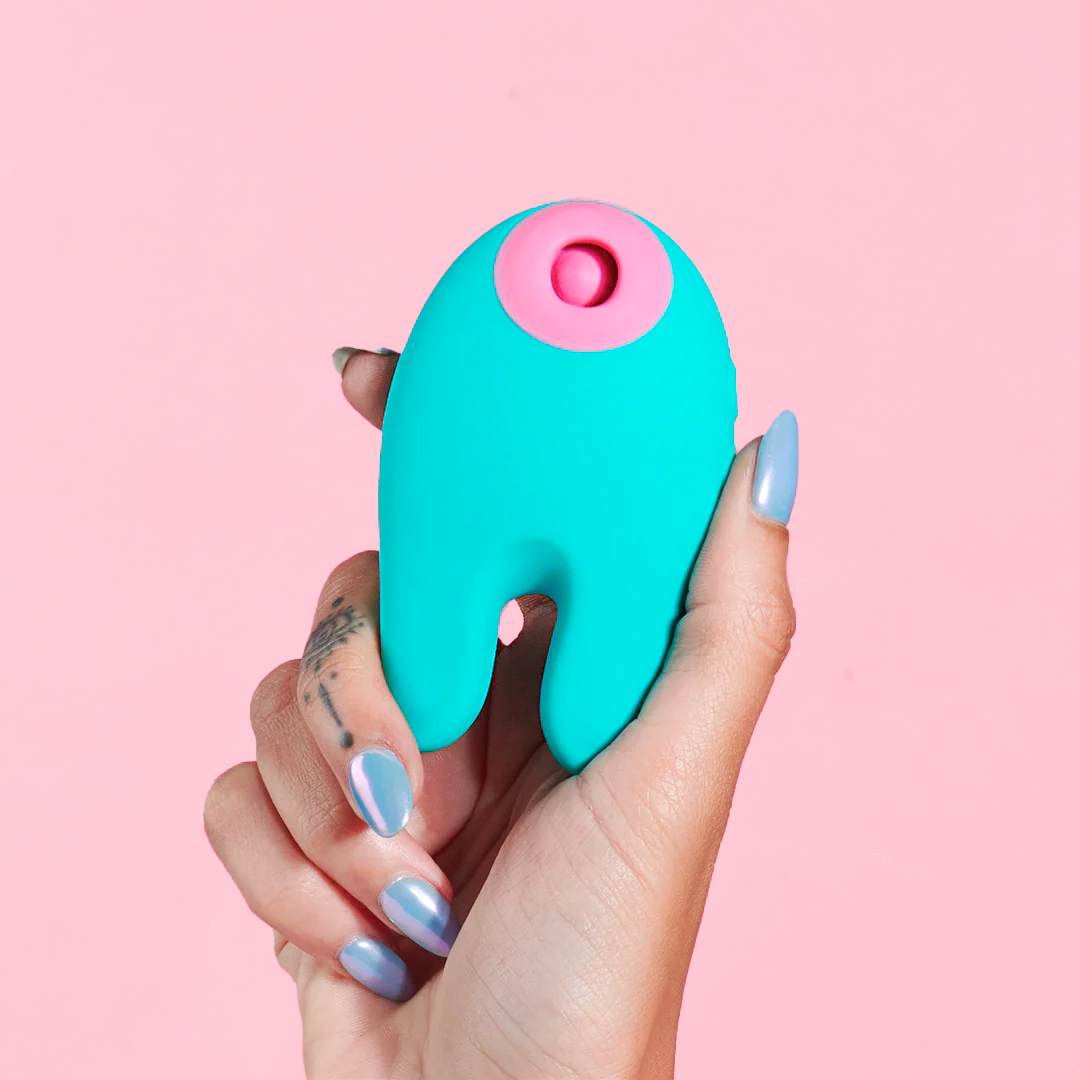 Pyaari
 Toofaan Intense
 Lipstick
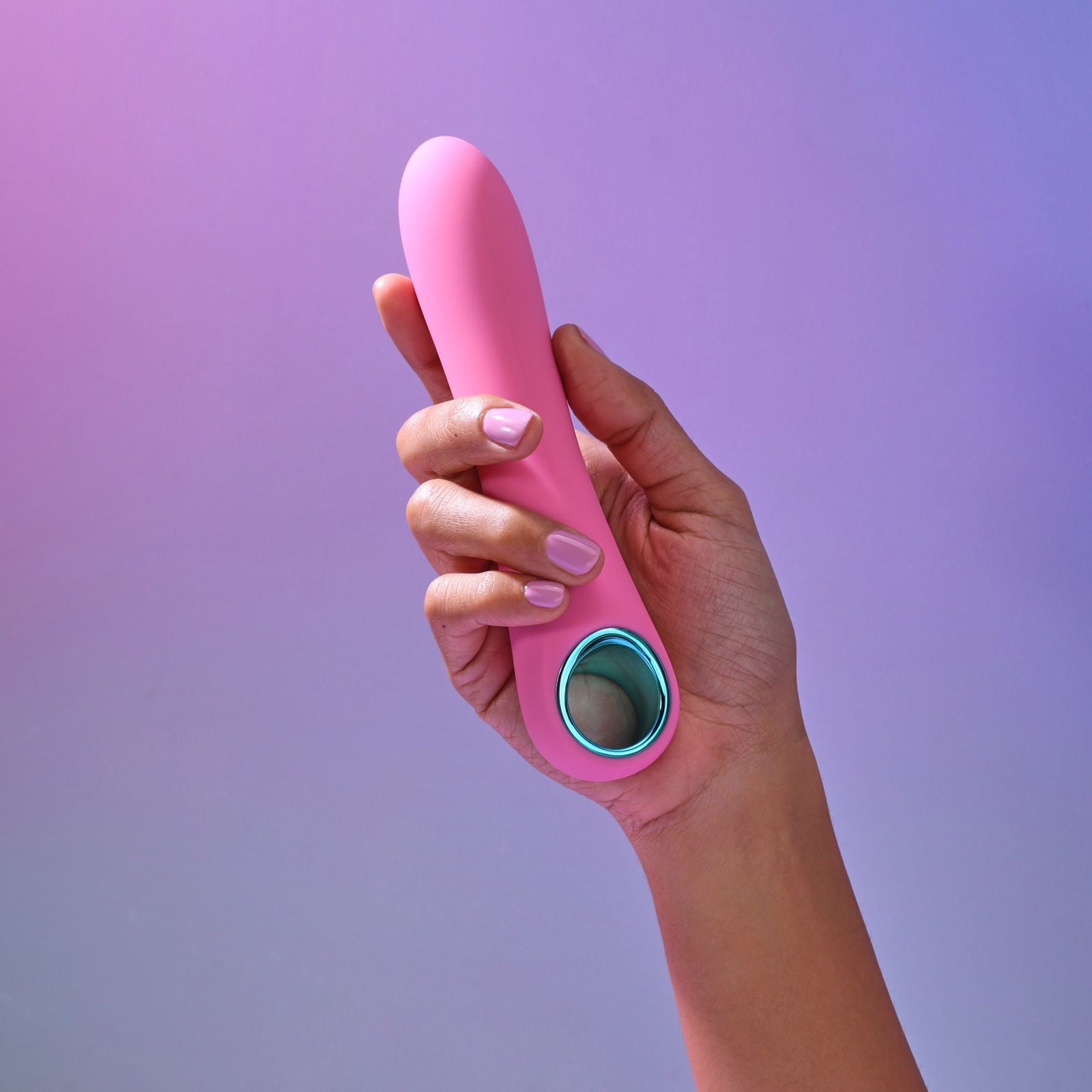 Jaadugar
 Natkhat
 FAQs
FAQs
 Track Your Order
 About Us


Phthalate free toys are made without specified phthalates, a group of chemicals commonly used to soften certain plastics. When choosing intimate products, check the material specification, manufacturer transparency, product-care guidance, and construction. Body-safe, non-porous materials such as silicone can make cleaning and hygiene easier.
Phthalate free toys are worth considering because intimate products come into direct contact with sensitive areas of the body. The bigger issue with cheap imports is often unclear material information rather than price alone. A low-cost toy isn't automatically unsafe, but an unexplained material should make you pause. Here's what to look for before you buy.
What Are Phthalates?
Phthalates are a group of chemicals used primarily as plasticizers. They can make certain plastics softer, more flexible, and less brittle. Because flexible plastic has long been used across consumer products, phthalates have become an important consideration when evaluating plastic-based items.
That doesn't mean every soft sex toy contains phthalates, and it doesn't mean every inexpensive product is dangerous. The sensible approach is much simpler: know what the product is made from before putting it against your body.
This is particularly important with intimate products because material composition, porosity, cleaning requirements, and manufacturing quality all affect the overall experience.
Why Are Phthalates Used in Plastic Products?
Certain plasticizers make rigid plastics more flexible. This property has made them useful in many types of manufactured goods.
For shoppers, however, the important question isn't simply whether a product feels soft. It's why it feels soft and what materials were used to achieve that texture.
Why Does Material Information Matter?
A product description that simply says “soft,” “rubbery” or “skin-friendly” doesn't tell you enough.
A better product specification clearly identifies the material and provides useful information about how the product should be cleaned, stored, and used.
That level of transparency makes it easier to make an informed decision.
Why Cheap Sex Toys Deserve More Attention
The problem with some very cheap imported sex toys isn't necessarily their price. It's the lack of information that can come with them.
You may encounter listings that provide little more than a product photograph, a few exaggerated claims and a generic description such as “premium soft material.”
That leaves important questions unanswered.
Before buying, look for:
- A clearly stated material
- A recognisable manufacturer or brand
- Specific product-care instructions
- Clear usage information
- Appropriate safety and compliance information where available
- A reliable way to contact the seller
- A product page that doesn't hide basic specifications
A strong chemical smell can also be a reason to stop and investigate, but smell alone cannot tell you that a product contains phthalates. Avoid turning one observation into a chemical diagnosis.
The Problem With “Mystery Material” Toys
If you cannot find out what an intimate product is made from, you cannot properly evaluate its characteristics.
“Jelly,” “rubber-like,” “soft plastic” and “special material” aren't detailed material specifications. They may describe how something feels rather than what it actually is.
When shopping for phthalate free toys, transparency should come before an attractive discount.
Cheap Doesn't Automatically Mean Unsafe
Price isn't a reliable safety test.
A lower-priced product can still be well designed and clearly specified, while an expensive product can still have poor material disclosure.
The better rule is:
Don't judge safety by price. Judge the product by its material information, construction, manufacturer transparency and care guidance.
What Are Phthalate Free Toys?
Phthalate free toys are products made without specified phthalates. For consumers, that label can be useful, but it should not be the only thing you consider.
Phthalate-free doesn't automatically mean that a product is suitable for every type of intimate use. You still need to consider its material, porosity, design, intended use and cleaning requirements.
The same principle applies to broad terms such as “non-toxic” or “body-safe.” Look beyond the marketing phrase and find the actual product specification.
Is “Phthalate-Free” Enough?
No.
A responsible buying decision considers the whole product rather than one label.
Look for:
- Specific material information
- Clear product instructions
- Manufacturer transparency
- Appropriate testing or compliance information where available
- Cleaning and storage guidance
- A product designed for its stated purpose
That's a much more useful checklist than simply searching for one reassuring phrase.
What Materials Should You Look For in a Sex Toy?
When comparing intimate products, material should be one of the first specifications you check.
Body-Safe Silicone
Silicone is widely valued in intimate products because quality silicone can be non-porous, smooth and easier to clean than many porous alternatives.


At Leezu's, products including Dilbar are specified as 100% body-safe silicone and washable, while Pyaari is described as being crafted from body-safe silicone and is washable and shower-friendly. Jaadugar is also specified as 100% body-safe silicone.
These specifications are useful because they tell you considerably more than a generic phrase such as “soft touch.”
Materials That Need More Scrutiny
Products made from PVC, jelly, rubber, TPE, TPR or unspecified soft plastics deserve closer attention when the exact composition isn't clearly explained.
That doesn't mean every product made from these materials contains phthalates. It means consumers should avoid guessing.
If the material isn't clearly disclosed, ask before buying.
How to Identify Phthalate-Free Sex Toys Before Buying
Use this simple checklist when shopping for phthalate free toys:
1. Check the Material Specification
Look for a specific material rather than a vague description.
2. Investigate the Manufacturer
A trustworthy product page should make it easy to understand who makes, markets or sells the product.
3. Look for Relevant Testing Information
Where applicable, check whether the manufacturer provides useful testing or compliance information.
4. Check Porosity
Non-porous materials are generally easier to clean thoroughly because they don't absorb fluids in the same way porous materials can.
5. Read the Care Instructions
A good product should tell you how to clean, dry and store it.
6. Don't Let a Huge Discount Make the Decision
A bargain is only a bargain when you know what you're buying.
Why Non-Porous Materials Matter
Porosity affects how a product behaves during cleaning and storage.
A non-porous surface doesn't absorb fluids in the same way porous materials can, which makes thorough cleaning more straightforward. This is one reason material selection matters beyond the question of phthalates.
Leezu's product guidance recommends cleaning products according to their material and provides specific care instructions. Pyaari, for example, is designed to be washed with mild soap and water after use, while Dilbar's instructions similarly recommend cleaning after each use and allowing it to air-dry.
Leezu's Approach to Body-Safe Materials
At Leezu's, intimate wellness is built around informed choices, comfortable design and clear product information. Leezu’s describes itself as an expert-backed intimacy brand, with founder Leeza Mangaldas known for creating judgment-free conversations around relationships, gender and the body.
That educational approach matters because buying an intimate product shouldn't feel like a guessing game.
Leezu's product specifications clearly identify materials for products such as Pyaari, Dilbar and Jaadugar rather than relying only on vague descriptions. Pyaari is specified as 100% body-safe silicone, Dilbar as 100% body-safe silicone, and Jaadugar as 100% body-safe silicone.
Leezu's Body-Safe Silicone Products
- Pyaari combines suction and vibration in an external massager and is made from body-safe silicone. It is washable, shower-friendly and rechargeable.
- Dilbar is a non-motorised suction-base intimate massager made from 100% body-safe silicone. It is washable and waterproof, with clear cleaning and storage guidance.
- Jaadugar is an internal and external vibrating massager made from 100% body-safe silicone, with 10 vibration speeds and patterns and a washable, shower-friendly design.
The goal isn't to make a product sound safer through buzzwords. It's to give you enough information to understand what you're buying.
As Leeza Mangaldas puts it through Leezu's brand philosophy, intimate wellness should support kinder, safer, more joyful and more informed decisions.
Phthalate-Free vs. Body-Safe: What's the Difference?
The terms are related, but they aren't interchangeable.
- Phthalate-free: Refers specifically to the absence of specified phthalates.
- Body-safe: A broader product/material safety claim.
- Non-porous: Describes a material property relevant to cleaning and hygiene.
- Silicone: Identifies a material, but quality and product construction still matter.
- Non-toxic: A broad marketing term that needs context.
This is why shopping for phthalate free toys shouldn't stop at the words “phthalate-free.”
Look at the complete product picture.
Common Myths About Phthalates and Sex Toys
Myth 1: Every Cheap Sex Toy Contains Phthalates
Reality: Price alone cannot tell you a product's chemical composition. Check the material specification.
Myth 2: Phthalate-Free Means Everything About the Product Is Safe
Reality: Material, construction, hygiene, intended use and care instructions still matter.
Myth 3: A Strong Smell Proves a Toy Contains Phthalates
Reality: Odour doesn't identify a specific chemical. Treat an unusual smell as a reason to stop using the product and investigate rather than as proof of phthalates.
Myth 4: Expensive Means Safe
Reality: A higher price doesn't replace transparent product information.
How to Choose Better Intimate Products
Before purchasing phthalate free toys, ask yourself:
- Do I know exactly what this product is made from?
- Is the material clearly stated?
- Is the product intended for the use I have in mind?
- Are cleaning instructions available?
- Can I identify the manufacturer or seller?
- Is relevant testing or compliance information available?
- Does the product have clear usage and storage guidance?
If the answers are mostly yes, you're making a much more informed purchase.
Choose Transparency Over Guesswork
Your intimate products deserve more than a tempting price tag and a vague material label. Look for clear specifications, responsible product information, and materials you understand.
Leezu's takes that approach seriously, combining body-safe material specifications with thoughtfully designed intimate wellness products and straightforward care guidance. When you're ready to choose an intimate product with clear material information, explore Pyaari, Dilbar, or Jaadugar and find the experience that fits you best.
Because better pleasure starts with better-informed choices.
Frequently Asked Questions
Q1. What are phthalate free toys?
They are toys made without specified phthalates. For intimate products, also check the material, construction, intended use, and care instructions.
Q2. How can I identify phthalate free toys?
Start with the product's material specification and manufacturer information. Avoid products that provide only vague descriptions without identifying the actual material.
Q3. Can silicone sex toys contain phthalates?
Silicone itself is different from phthalate-plasticized materials. Check the manufacturer's actual material specification rather than assuming safety from appearance alone.
Q4. Is phthalate-free the same as body-safe?
No. Phthalate-free addresses a specific group of chemicals, while body-safe is a broader material and product claim.
Q5. Will a chemical smell tell me if a toy contains phthalates?
No. An unusual smell cannot identify a specific chemical. Stop using a questionable product and verify its material information instead.
Q6. What is the safest material for sex toys?
There isn't one universal answer for every product or use. Clearly specified, quality, non-porous materials such as body-safe silicone are commonly preferred because they are easier to clean and maintain.
Q7. Why does non-porosity matter?
Non-porous materials do not absorb fluids in the same way porous materials can, making thorough cleaning and hygiene easier.
Q8. Why should I avoid toys with unclear materials?
Because you cannot properly assess a product when its composition is unknown. Clear material information lets you make a more informed choice about cleaning, hygiene and intended use.