Dilruba
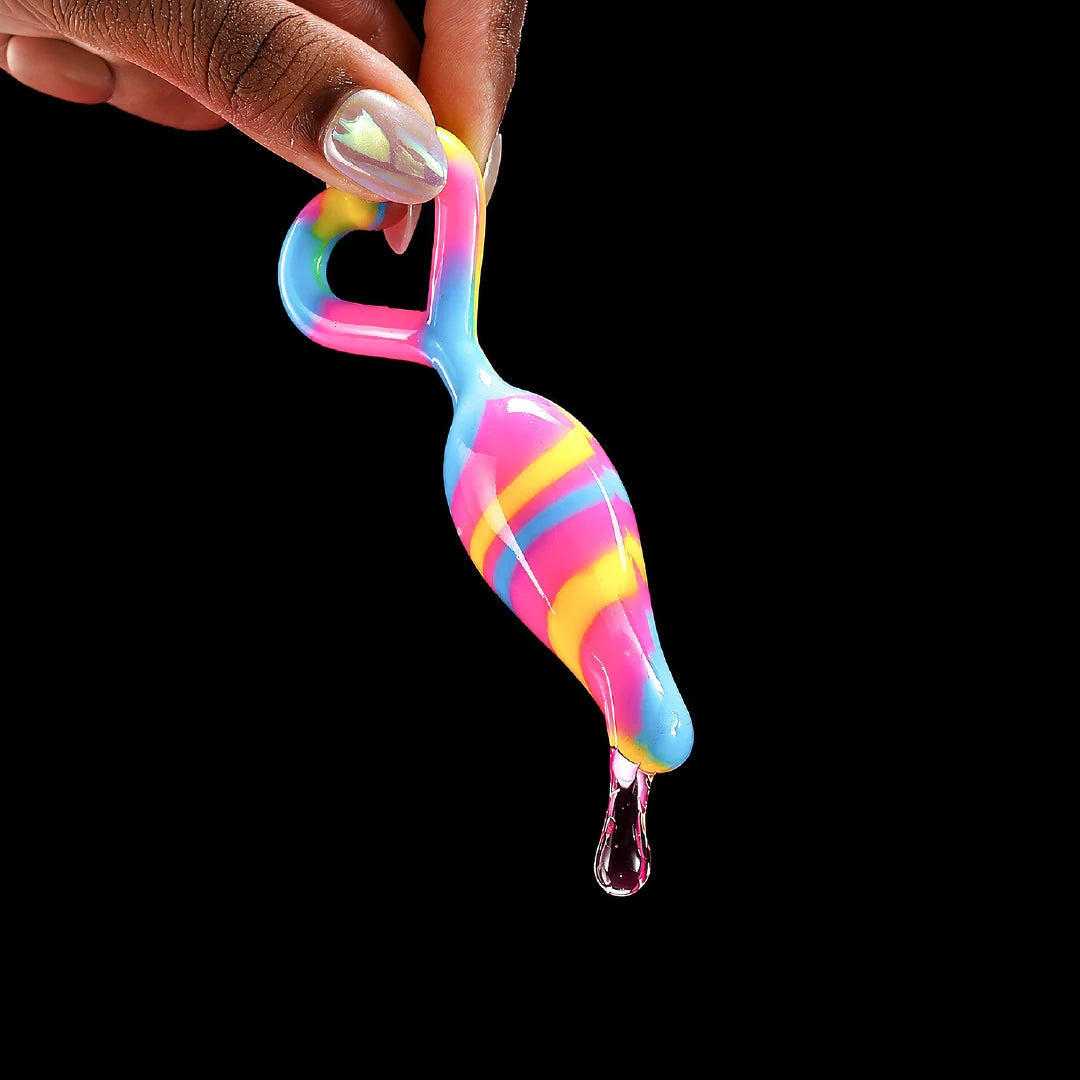 Leezu's Plug
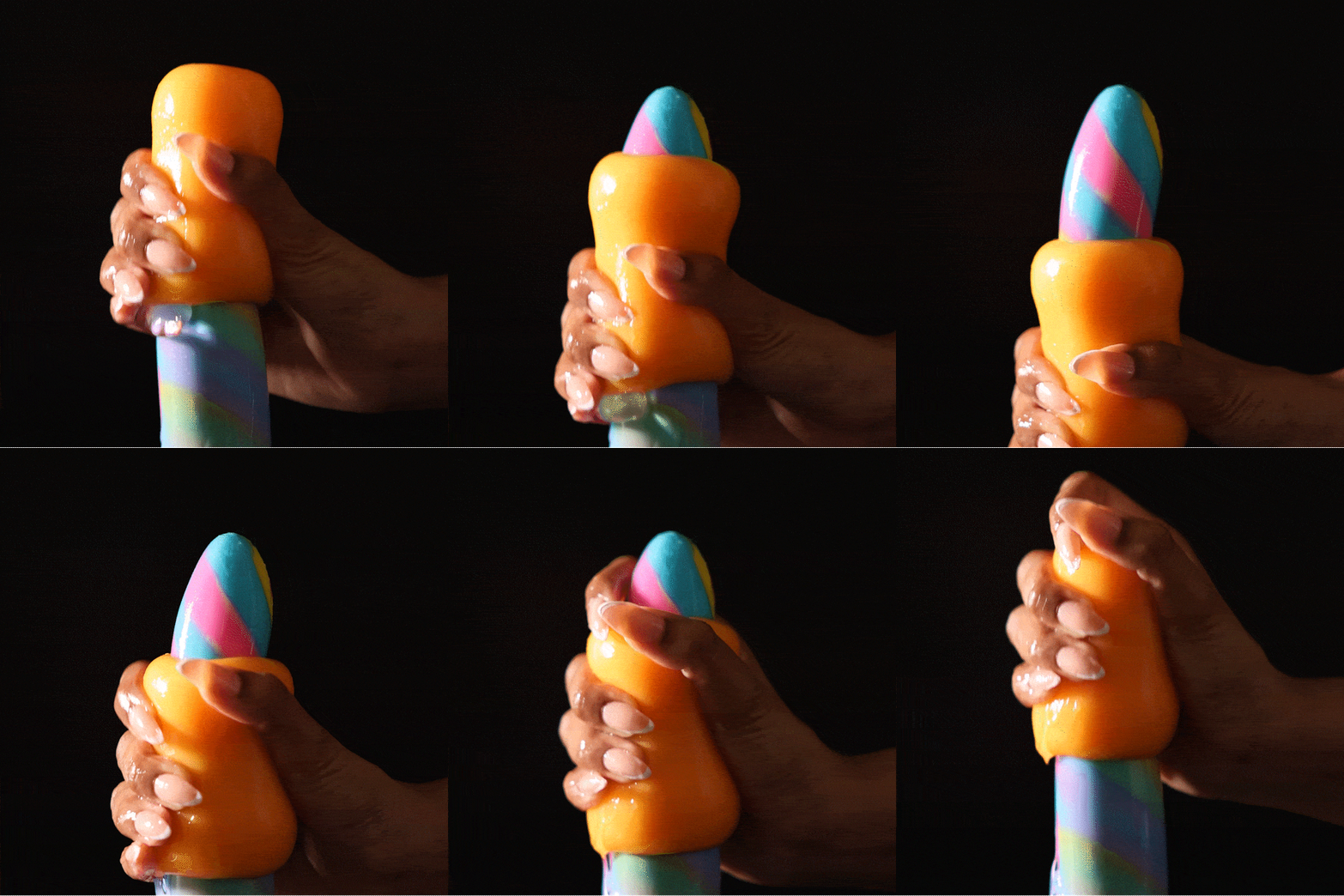 Khiladi
 Zubaan
 Peaché
 Dilbar
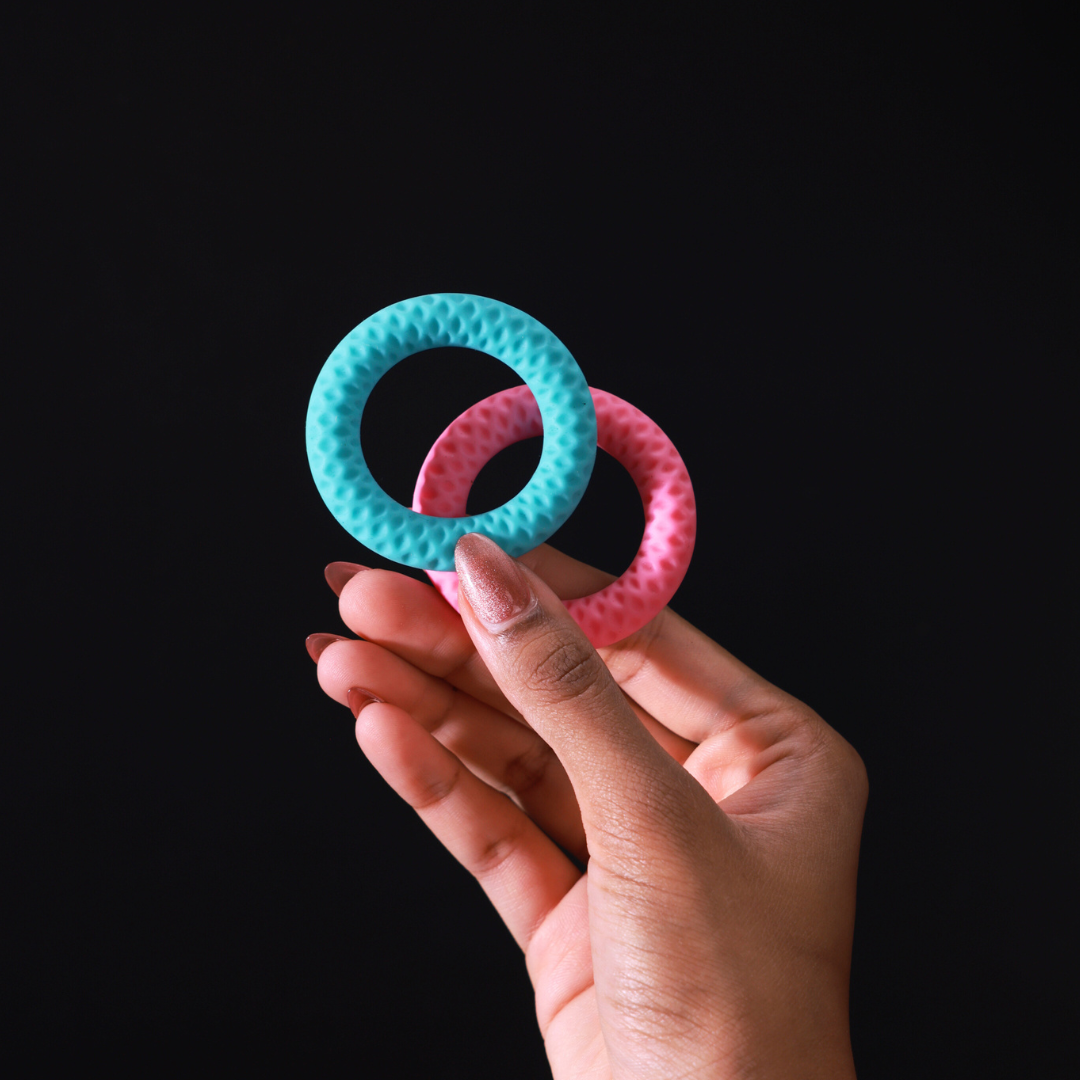 Power Rings
 Jaaneman
 Sultaan
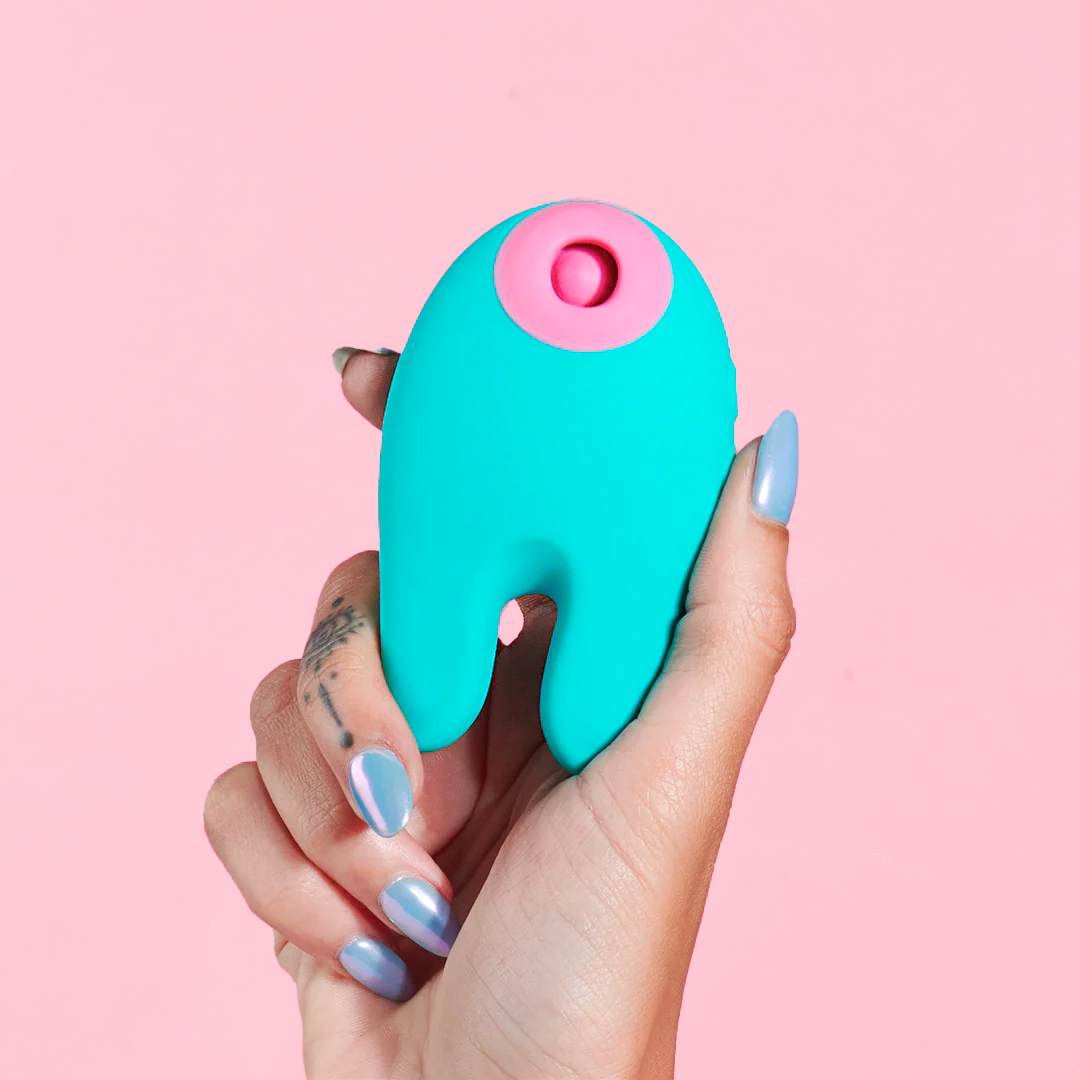 Pyaari
 Toofaan Intense
 Lipstick
 Jaadugar
 Natkhat
 FAQs
FAQs
 Track Your Order
 About Us


When choosing sex toy materials safe for intimate use, focus on clearly disclosed, body-safe materials rather than price alone. Non-porous materials such as quality silicone, glass, and stainless steel are generally easier to clean. Avoid products with undisclosed materials, strong chemical smells, sticky surfaces, or unclear care instructions.
Buying a cheap sex toy is not automatically risky, but unclear materials can be. The safest approach is to check exactly what a toy is made from, how it should be cleaned, and which lubricants work with it. At Leezu’s, we believe informed choices make intimate wellness better, so let’s look at what to avoid.
Why Sex Toy Material Matters More Than Price
A low price does not automatically mean a sex toy is unsafe, just as a high price does not automatically make one safer. What matters is material quality, transparency, manufacturing standards, design, and care instructions.
When you shop for sex toy materials safe for intimate use, look beyond phrases such as “premium,” “soft-touch,” or “skin-friendly.” These descriptions tell you very little unless the actual material is disclosed.
Material matters because it affects:
- How easily the toy can be cleaned
- Whether the surface is porous
- How the toy reacts to lubricants
- How durable the surface is
- How comfortable it feels against the body
- How well it can be maintained over time
The Problem With “Mystery Materials”
Be cautious when a product listing does not clearly state its material. Other warning signs include:
- A strong or persistent chemical smell
- An unusually oily or sticky surface
- No cleaning instructions
- No manufacturer information
- Vague descriptions such as “soft rubber” without further specifications
- No information about lubricant compatibility
A transparent product description should make it easy to understand what you are buying.
What Are the Safest Sex Toy Materials?
When researching sex toy materials safe for intimate use, non-porous materials are generally preferred because they are easier to clean thoroughly.
Body-Safe Silicone
Quality body-safe silicone is one of the most popular choices for intimate products. It is non-porous, durable, and relatively easy to clean when used according to the manufacturer's instructions.
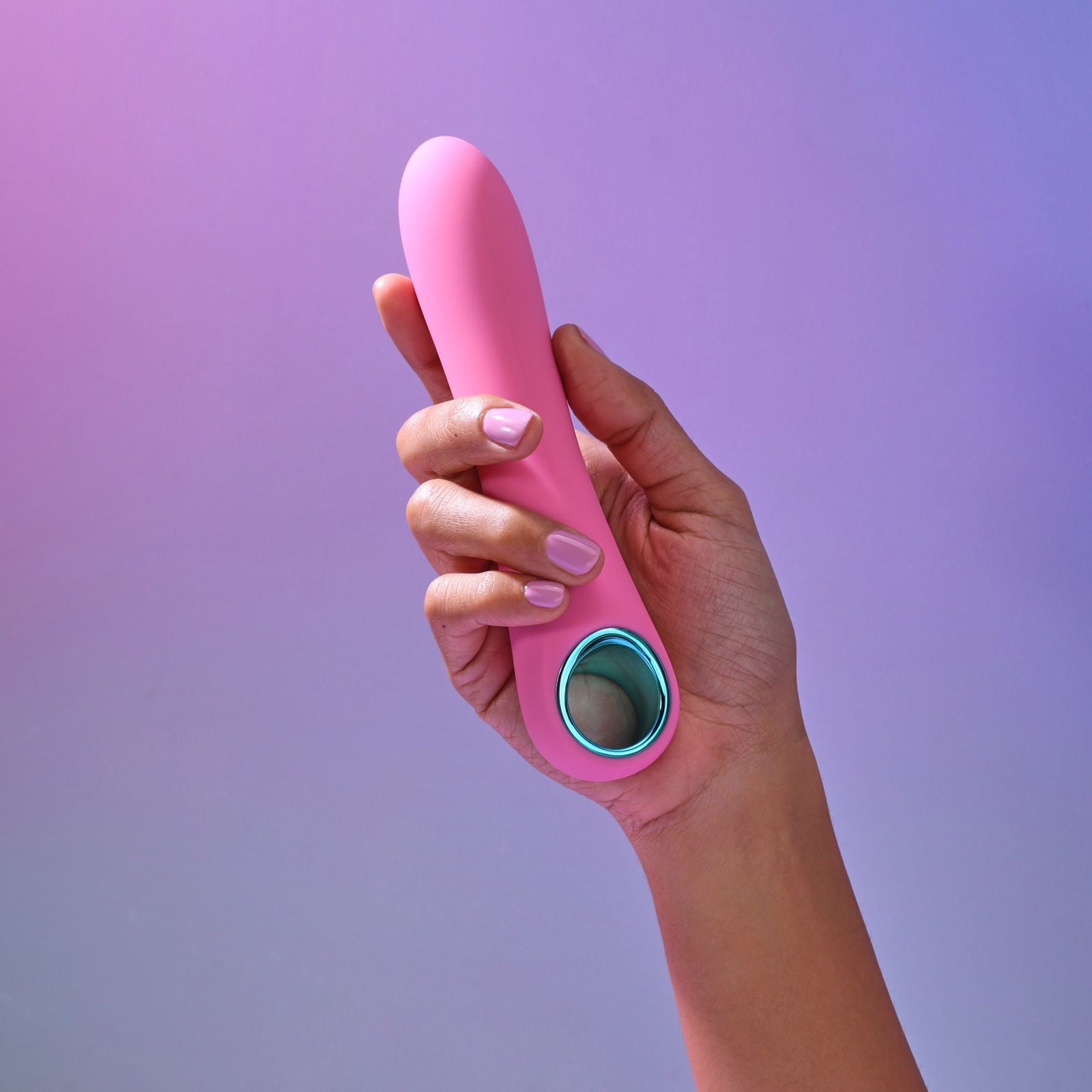
Leezu’s uses body-safe silicone across several products. Pyaari, Mini Jaadugar, and Jaadugar are examples of products with clearly specified body-safe silicone construction. Jaadugar is 100% body-safe silicone and is washable and shower-friendly, although it should not be left submerged.
ABS Plastic
ABS plastic can also be used in quality intimate products, particularly for rigid components or handles. The important point is to check the complete product specification rather than assuming the entire toy is made from one material.
Glass and Stainless Steel
Borosilicate glass and stainless steel are non-porous materials that can be practical for intimate products when they are properly manufactured and used according to their care instructions. Their smooth surfaces can also make cleaning straightforward.
Toxic Materials in Cheap Sex Toys: What to Avoid
The phrase “toxic sex toys” can be misleading because not every product made with a particular material is automatically dangerous. The bigger concern is poorly disclosed materials, questionable formulations, and products without reliable safety information.
PVC and Softened Plastics
Some flexible plastic products may contain plasticisers that change the texture and flexibility of the material. This is why vague plastic-based products deserve closer scrutiny.
If the manufacturer does not disclose the material or formulation, consider choosing a product with clearer specifications instead.
Jelly Rubber
Jelly-like materials are often associated with inexpensive, soft sex toys. Many such materials can be porous, which makes thorough cleaning more difficult.
If you cannot determine exactly what a jelly or rubber toy contains, it is better to choose a clearly specified alternative.
TPE and TPR
TPE and TPR are commonly used because they can create soft, stretchy, skin-like textures. However, their care requirements can differ from non-porous materials.
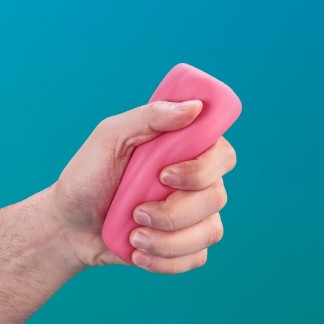
For example, Toofaan Intense is made from super-soft, stretchy TPE and is 100% body-safe TPE. Its product instructions recommend using water-based Love Jelly and washing the toy gently with mild soap and water after use.
The takeaway is simple: do not judge a material solely by its name. Check the specific product, formulation, manufacturer instructions, and care requirements.
Unspecified Rubber or “Soft Plastic”
“Soft,” “flexible,” and “realistic” describe how a toy feels—not necessarily what it contains.
When evaluating sex toy materials safe for your body, an actual material specification is much more useful than a marketing adjective.
Porous vs Non-Porous Sex Toy Materials
Understanding porosity is one of the easiest ways to make a more informed purchase.
|
Material |
Porosity |
Cleaning Consideration |
|
Body-safe silicone |
Non-porous |
Generally easy to clean |
|
Glass |
Non-porous |
Easy to clean when intact |
|
Stainless steel |
Non-porous |
Generally easy to clean |
|
ABS plastic |
Non-porous |
Follow product instructions |
|
TPE/TPR |
May be porous |
Requires careful cleaning |
|
Jelly/rubber |
Often porous |
More difficult to clean thoroughly |
Why Does Porosity Matter?
A porous surface can have microscopic spaces that make complete cleaning more difficult. This is particularly important for products that come into contact with body fluids or lubricants.
That does not mean every porous material is automatically unsafe. It means you need to understand its limitations and follow appropriate hygiene practices.
How to Tell If a Sex Toy Is Actually Body-Safe
Before purchasing, use this simple checklist:
- Check the exact material. Look for a specific material name rather than “premium” or “skin-friendly.”
- Check whether the surface is porous. This affects cleaning and maintenance.
- Read the care instructions. A reputable product should explain how to clean and store it.
- Check lubricant compatibility. Not every lubricant works with every toy material.
- Look at the manufacturer. Transparent brands provide product specifications and support.
- Inspect the toy after purchase. Cracks, tears, unusual stickiness, or persistent odours are reasons to stop using it.
Leezu’s own educational guidance recommends cleaning toys before and after every use and following manufacturer-specific care instructions.
Can Lubricant Damage a Sex Toy?
Yes. Lubricant compatibility matters just as much as the toy material itself.
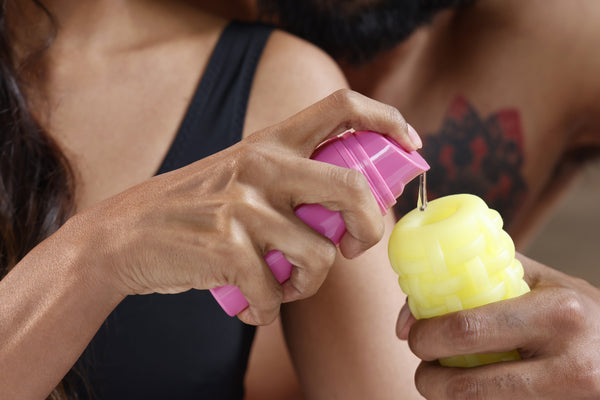
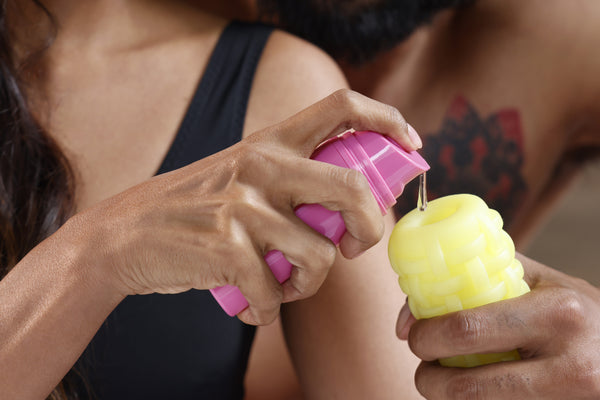
For silicone toys, Leezu’s recommends avoiding silicone-based lubricant because it can degrade silicone surfaces over time. Water-based lubricant is a practical option for most toy materials.
Love Jelly, Leezu’s water-based lubricant, is designed for use with toys and condoms and is positioned as a straightforward option for toy-compatible lubrication.
Always check the individual product instructions before combining a toy with a lubricant.
Leezu’s Approach to Safe Sex Toy Materials
At Leezu’s, material transparency is part of making intimate wellness easier to understand.
Products such as Pyaari, Mini Jaadugar, Jaadugar, and Leezu’s Plug feature clearly stated silicone specifications, while Toofaan Intense uses body-safe TPE. This demonstrates an important point: responsible shopping is not about memorising one “perfect” material. It is about knowing exactly what a product is made from and how to care for it.
Leeza Mangaldas, Leezu’s founder, has built the brand around informed, judgment-free conversations about sexuality and intimate wellness. Leezu’s describes its approach as expert-backed and focused on helping people make safer, more informed decisions.
That philosophy matters because good sexual wellness information should help you make a decision, not scare you into one.
How to Care for Your Sex Toy
Choosing sex toy materials safe for intimate use is only the first step. Good care matters too.
- Clean the toy before and after every use.
- Use mild soap and warm water or a suitable toy cleanser when recommended.
- Dry the toy completely before storing it.
- Keep it in a clean, dry storage pouch or case.
- Avoid harsh cleaners and abrasive tools.
- Check the manufacturer's instructions before boiling or sterilising a toy.
- Replace products showing cracks, tears, persistent odours, or significant surface changes.
Leezu’s cleaning guidance specifically recommends cleaning before and after use and adapting care to the toy's material.
Quick Checklist Before You Buy
Ask yourself:
- Is the exact material disclosed?
- Is the product designed for intimate use?
- Is the material non-porous?
- Are cleaning instructions available?
- Is lubricant compatibility explained?
- Does the brand provide clear specifications?
- Can you identify the manufacturer?
- Does the product have appropriate care guidance?
If several of these answers are unclear, reconsider the purchase.
Choose Safety Without the Guesswork
The best way to shop for sex toy materials safe for intimate use is not to chase the cheapest option or assume the most expensive product is automatically better. Look for transparency, clearly identified materials, appropriate care instructions, and a brand willing to tell you exactly what you are buying.
Leeza Mangaldas and the Leezu’s team put that principle at the heart of their approach: informed pleasure should feel empowering, not confusing.
Ready to make a more informed choice? Explore Leezu’s range of thoughtfully designed intimate wellness products, including Pyaari, Mini Jaadugar, Jaadugar, Leezu’s Plug, Toofaan Intense, and Love Jelly, and choose products with clear material specifications and care guidance.
Frequently Asked Questions
Q1. How do I know which sex toy materials are safe?
Look for clearly disclosed, body-safe materials and buy from brands that provide transparent product specifications, cleaning instructions, and lubricant guidance. Non-porous materials such as quality silicone, glass, and stainless steel are generally easier to clean.
Q2. Can cheap sex toys be safe?
Yes. A low price does not automatically mean a toy is unsafe. However, avoid products with undisclosed materials, unclear manufacturing information, strong chemical odours, or missing care instructions. Focus on transparency and product quality rather than price alone.
Q3. Is silicone the safest material for sex toys?
Quality body-safe silicone is one of the most popular choices because it is non-porous, durable, and easy to clean. The product should still clearly specify its material and provide appropriate care instructions.
Q4. Will TPE sex toys always be unsafe?
No. TPE products are not automatically unsafe. Their safety depends on the specific material formulation, manufacturing quality, intended use, and care instructions. Toofaan Intense, for example, is listed by Leezu’s as 100% body-safe TPE.
Q5. What materials should I avoid in cheap sex toys?
Avoid toys with completely undisclosed materials or vague descriptions such as “soft rubber” or “soft plastic.” Materials such as jelly, PVC, TPE, or TPR require product-specific consideration rather than blanket assumptions about safety.
Q6. Why are non-porous materials preferred?
Non-porous materials do not readily absorb fluids and are generally easier to clean thoroughly. This makes materials such as body-safe silicone, glass, and stainless steel practical choices for many intimate products.
Q7. How should I clean a silicone sex toy?
Clean it with warm water and mild soap or a suitable toy cleanser, then rinse and dry it completely. Always follow the manufacturer's instructions, especially for motorised or waterproof products.
Q8. What lubricant should I use with silicone sex toys?
Water-based lubricant is generally the simplest choice for silicone toys. Avoid silicone-based lubricant unless the manufacturer specifically confirms compatibility, because silicone lubricant can damage some silicone toys over time.